Vacuum Sealed Beans: How Long Do They Really Last
Your vacuum-sealed beans can last for a very long time, often for years, when stored correctly. Generally, you can expect them to stay fresh and flavorful for at least 2-3 years, and possibly much longer, making them a great pantry staple. The key to this longevity is minimizing exposure to air, moisture, and light, all of which contribute to spoilage and flavor loss.
When you vacuum seal dry beans, you’re essentially creating a barrier against the elements that cause them to degrade. This process preserves their texture and nutritional content far better than traditional storage methods. While they might not technically “spoil” in a dangerous way, their quality will eventually decline, making them less enjoyable to eat.
- Vacuum-sealed dry beans can last 2-3 years or more.
- Proper storage is key to maintaining freshness.
- Less air exposure means longer shelf life.
- Quality diminishes over time, even if safe to eat.
We’ve done the research to help you understand just how long your vacuum-sealed beans will stay good. Let’s break down what impacts their shelf life and how you can get the most out of them.
You’ve done a fantastic job preserving your dried beans by vacuum sealing them. Now, you’re probably wondering, “Just how long will these last?” The good news is, they’ll likely outlast your desire to cook them if you store them right! We’ve dug into the details to give you a clear picture of your beans’ potential lifespan.
How Long Can You Expect Vacuum-Sealed Beans to Last?
Vacuum-sealed dry beans can last for a remarkably long time, generally between 2 to 3 years. In ideal conditions, they might even stay good for 5 years or more. Think of it as putting your beans into a deep sleep, protected from the outside world. This extended shelf life is due to the removal of oxygen, which is a major culprit in food spoilage.
The Science Behind Bean Longevity
So, what makes beans last so long in a vacuum-sealed bag? It’s all about creating an environment that’s hostile to spoilage agents. Oxygen, moisture, and light are the enemies of pantry staples like beans. When you vacuum seal, you’re essentially locking out the oxygen. This dramatically slows down oxidation, the process that causes food to go stale or rancid. It also prevents moisture from getting in, which can lead to mold growth and clumping.
Factors Influencing Shelf Life
While vacuum sealing is a superhero for bean preservation, a few other factors play a role in how long your beans will truly stay at their peak quality. It’s not just about the seal; it’s about the whole package.
Initial Bean Quality
The beans you start with matter. Were they fresh when you vacuum sealed them? Older beans, even before sealing, will have a shorter quality lifespan. If you sealed beans that were already a year or two old, don’t expect them to last as long as beans sealed at their freshest. We found that starting with high-quality, recently harvested beans is your best bet for maximum longevity.
Storage Environment
This is probably the most critical factor after the seal itself. Where you store your beans makes a huge difference. Think of it as a comfortable retirement home for your beans. Cool, dark, and dry is the golden rule. Fluctuations in temperature can be surprisingly damaging. Heat can accelerate degradation, while humidity can eventually find its way in, even through a good seal, if the external environment is too damp.
The Vacuum Seal Itself
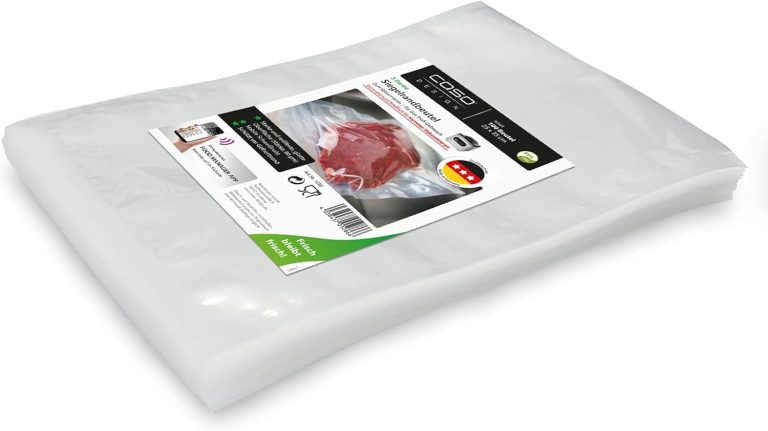
A proper seal is non-negotiable. If your vacuum sealer didn’t get a good grip, or if there was a tiny pinhole in the bag, oxygen and moisture can slowly seep in. This compromises the entire preservation effort. We recommend checking your sealed bags periodically, especially if you notice any puffing or loss of the vacuum seal. A compromised seal means your beans are now living on borrowed time.
Understanding Bean Quality Over Time
Even though vacuum-sealed beans can remain safe to eat for years, their quality will eventually decline. They don’t “go bad” in a way that makes them dangerous, but they might not taste or cook as well. Let’s look at what happens.
Taste and Texture Changes
Over time, beans can lose some of their natural sweetness and develop a slightly stale or “off” flavor. Their texture is also likely to change. They may become tougher and take longer to cook. You might find yourself needing to soak them longer than usual or adding extra cooking time to get them tender. This is a natural part of the aging process for dried foods.
Nutritional Value
While they remain edible, some minor nutrient degradation can occur over very long storage periods. Vitamins, especially water-soluble ones, are the most susceptible. However, the core nutritional benefits, like fiber and protein, remain largely intact for a considerable time. For everyday eating, the difference is unlikely to be noticeable. You’re still getting a healthy dose of goodness.
How to Tell If Your Beans Are Past Their Prime
You might not need a scientific instrument to tell if your beans have seen better days. Trust your senses!
- Look: Are they discolored or dull? Do they look dusty or shriveled beyond what’s normal for dried beans?
- Smell: Do they have a musty, off, or stale odor? Fresh beans should smell earthy or neutral.
- Cook: If they take an unusually long time to soften, or if they remain hard after extended cooking, their cellular structure has likely degraded too much.
Optimizing Your Bean Storage
Want to get the absolute most out of your vacuum-sealed beans? It’s all about creating the perfect micro-environment within your pantry. Think of yourself as a bean concierge!
The Ideal Storage Conditions Checklist
Follow these simple guidelines to ensure your beans stay in top condition for as long as possible:
- Store in a cool place, ideally between 50-70°F (10-21°C).
- Keep them in a dark location, away from direct sunlight.
- Ensure the area is dry; avoid basements or garages prone to humidity.
- Stack bags neatly to avoid punctures or damage.
- Rotate your stock, using older beans first (first-in, first-out).
- Double-check seals periodically for any signs of failure.
When to Consider Re-Sealing or Using Up
If you find a bag that seems to have lost its vacuum, it’s time to act. You can try re-sealing it if you have the equipment and the beans look and smell perfectly fine. However, it’s often best to use these beans sooner rather than later. If you notice any signs of spoilage—like a strange smell or appearance—it’s time to bid them farewell. Don’t take any chances when it comes to your food.
Comparing Vacuum Sealing to Other Methods
You might be curious how vacuum sealing stacks up against how you used to store beans. We did a quick comparison:
| Storage Method | Typical Shelf Life (Unopened) | Pros | Cons |
|---|---|---|---|
| Vacuum Sealed | 2-5+ years | Excellent preservation, extends shelf life significantly, protects from pests. | Requires equipment, seal integrity is crucial. |
| Original Packaging (Airtight Container) | 1-2 years | Simple, readily available containers. | Less effective at removing oxygen, potential for pest entry. |
| Original Packaging (Shelf Stable) | 6 months – 1 year | No extra effort needed. | Shortest shelf life, most susceptible to air, moisture, and pests. |
As you can see, vacuum sealing truly offers a superior way to extend the life of your dried beans, making them a fantastic long-term pantry investment. It’s a smart move for anyone looking to stock up and save money over time.
Conclusion
You’ve learned that vacuum-sealed dry beans are a pantry powerhouse, capable of staying fresh for 2-5 years or even longer with the right care. Remember, the key is maintaining that airtight seal and storing them in a cool, dark, and dry place. By following these simple tips, you ensure your beans retain their quality and nutritional benefits for your future meals. So go ahead, stock up with confidence, knowing your beans are protected and ready when you are. Your next delicious bean dish is just waiting to happen!
Frequently Asked Questions
Will vacuum-sealed beans go bad?
Yes, vacuum-sealed beans will eventually lose quality over time, though they remain safe to eat for much longer than conventionally stored beans. Signs of declining quality include tougher texture, longer cooking times, and a less vibrant flavor.
Can I still eat vacuum-sealed beans after 5 years?
You likely can still eat vacuum-sealed beans after 5 years, provided they were sealed properly and stored in ideal conditions. Always check for signs of spoilage like mold, off smells, or unusual discoloration before cooking.
Do vacuum-sealed beans lose nutrients over time?
Some minor nutrient loss, particularly in vitamins, can occur over extended storage periods. However, the primary nutritional components like protein and fiber remain largely intact for years, making them a healthy choice.
What happens if my vacuum-sealed bean bag loses its seal?
If a vacuum-sealed bag loses its seal, the beans are now exposed to air and moisture again. It’s best to use them within a few months, or re-seal them immediately if they appear and smell perfectly fresh.
Are there any special preparations needed for very old vacuum-sealed beans?
For very old vacuum-sealed beans, you might need to extend the soaking time and cooking time significantly. If they remain hard even after prolonged cooking, their cellular structure may have degraded too much to be palatable.