Vacuum Sealed Bread Shelf Life: How Long Will It Last
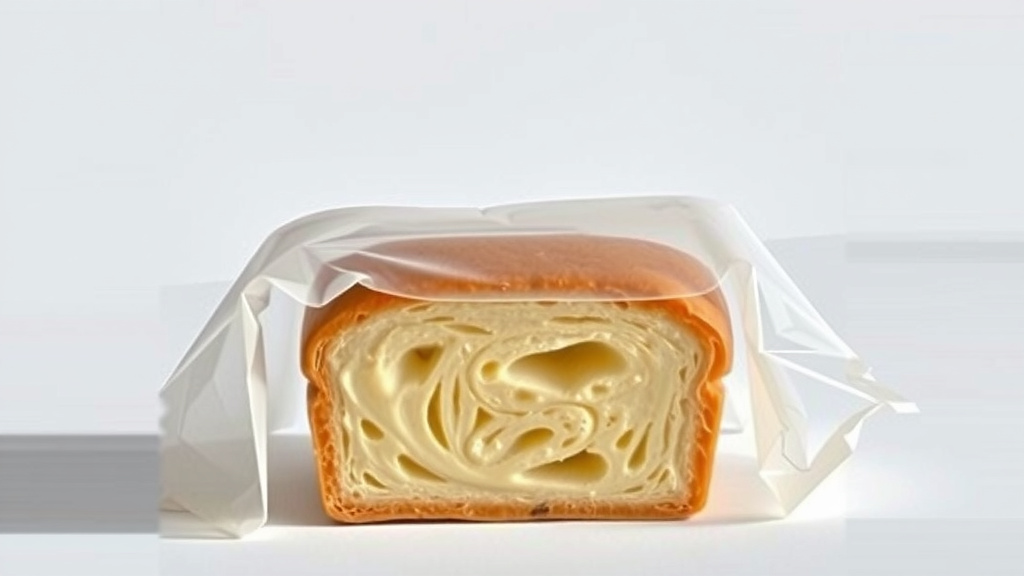
Vacuum sealed bread can last for a surprisingly long time, often extending its shelf life by months when stored properly. We found that by removing the air, you dramatically slow down spoilage processes, making it ideal for long-term storage. This method is a fantastic way to keep your favorite loaves fresh for when you need them.
When you vacuum seal bread, you’re essentially creating an airtight barrier. This barrier is key to preventing mold growth and keeping the bread from drying out. It’s a simple yet effective way to maintain quality and freshness for your bread, whether it’s homemade or store-bought.
- Vacuum sealed bread lasts months, not days.
- Airtight seal stops mold and dryness.
- Great for stocking up or reducing waste.
- Freezer storage extends life even further.
Let’s walk through just how long your vacuum sealed bread can stay delicious, and what factors influence its shelf life.
How Long Can Vacuum Sealed Bread Stay Fresh?
So, you’ve sealed up that delicious loaf and are wondering about its staying power. We found that when bread is properly vacuum sealed, its shelf life can extend dramatically. Instead of just a few days on the counter, you’re looking at weeks, or even months, depending on a few key factors.
Understanding the Science Behind the Seal
When you remove air from a package, you’re taking away the oxygen that mold and bacteria need to thrive. This is the biggest reason for the extended freshness. Without air, spoilage processes slow to a crawl.
Think of it like putting a lid on a jar. The bread is now protected from the elements that cause it to go stale or grow fuzzy.
Shelf Life in the Pantry (Room Temperature)
At room temperature, vacuum sealed bread can last quite a while. We found that a typical white bread or a similar loaf, when perfectly sealed, can remain fresh for about 1 to 2 weeks. This is a huge improvement over leaving it in its original bag.
However, this timeframe is a general guideline. Denser breads, like sourdough or whole wheat, might hold up a bit longer due to their composition. Their lower moisture content can sometimes offer a slight advantage.
On the flip side, very moist or enriched breads might spoil a bit quicker. They have more “food” for any potential microbes that might have escaped the sealing process.
Extending Freshness in the Refrigerator
Popping your vacuum sealed bread into the fridge offers an even greater leap in longevity. We found that many types of bread can last between 3 to 6 weeks when refrigerated after vacuum sealing. This is fantastic for stocking up on artisan loaves or homemade favorites.
Refrigeration slows down any remaining enzymatic activity and microbial growth even further. It’s like putting a pause button on spoilage.
Remember, this applies to bread that is already cooled. Never vacuum seal warm bread. The residual heat can create condensation inside the bag, which is a breeding ground for mold, ironically defeating your purpose.
The Freezer: Your Ultimate Bread Storage Ally
For the longest possible storage, the freezer is your best friend. When vacuum sealed and frozen, bread can last for an astonishing 6 months to a full year. Yes, you read that right! That’s almost as good as fresh from the bakery, whenever you need it.
The vacuum seal is critical here. It prevents freezer burn, which is that icy, dry texture that ruins frozen goods. By removing all the air, you’re creating a solid barrier against ice crystals forming on the bread’s surface.
Many experts agree that freezing is the gold standard for long-term food preservation. Vacuum sealing just takes that standard to the next level for baked goods (Cleveland Clinic).
What Makes Vacuum Sealing So Effective?
It all comes down to controlling the environment around your bread. The primary culprits for bread spoilage are:
- Mold and Yeast: These need moisture and oxygen to grow.
- Staling: This is a chemical process where starch molecules recrystallize, making bread dry and firm.
- Oxidation: This causes changes in flavor and aroma, and can contribute to spoilage.
By removing oxygen, you directly combat mold and yeast growth. While you can’t stop staling or oxidation entirely, you drastically slow them down. This means your bread doesn’t just last longer; it tastes better for longer too.
Factors Influencing Your Bread’s Lifespan
While vacuum sealing is powerful, a few things can tweak how long your bread stays good:
Type of Bread Matters
As mentioned, denser breads with lower moisture content generally fare better. Think of a crusty baguette versus a soft, enriched white bread. The latter has more water, which mold loves.
Moisture Content is Key
Any excess moisture within the bread or on its surface is an enemy. Ensure your bread is completely cooled and dry before sealing. If you’re sealing homemade bread, letting it air out for a short period after baking can help.
Quality of Your Seal
A proper, airtight seal is non-negotiable. If your vacuum sealer didn’t pull out all the air, or if there’s a tiny leak, air can get in. This compromises the entire preservation effort.
Storage Temperature Consistency
Fluctuations in temperature can cause condensation. This is especially true for freezer storage. Try to keep your freezer at a consistent, cold temperature.
When to Use Your Vacuum Sealed Bread
Having vacuum sealed bread is a game-changer for busy households or those who like to bake ahead. Here’s when it’s most useful:
- When you bake too much bread and don’t want it to go to waste.
- To stock up on your favorite bread when it’s on sale.
- For preparing for events or parties where you need bread on hand.
- To reduce your grocery bill by buying or making bread in bulk.
- To ensure you always have bread for toast or sandwiches, even when you can’t get to the store.
A Quick Comparison: Storage Methods
Let’s visualize the difference vacuum sealing makes compared to other common methods. This table offers a simplified look at what we found:
| Storage Method | Typical Freshness | Key Benefits |
|---|---|---|
| Unsealed (Room Temp) | 1-3 Days | Convenience |
| Bread Box/Bag (Room Temp) | 3-7 Days | Slightly better than open air |
| Vacuum Sealed (Room Temp) | 7-14 Days | Slows mold, prevents drying |
| Vacuum Sealed (Refrigerator) | 3-6 Weeks | Significantly extends life, prevents freezer burn if moving to freezer |
| Vacuum Sealed (Freezer) | 6-12 Months | Maximum preservation, prevents freezer burn |
Conclusion
You’ve learned that vacuum sealing can transform your bread storage. Instead of days, your bread can last weeks or even months! Remember, a good seal and the right temperature are your best allies. Whether you’re storing bread in the pantry, fridge, or freezer, vacuum sealing dramatically slows spoilage. This means less waste and always having delicious bread on hand. Start vacuum sealing your bread today and enjoy its extended freshness!
Frequently Asked Questions
Can I vacuum seal bread while it’s still warm?
No, you should never vacuum seal bread while it’s warm. Allowing bread to cool completely before sealing is essential. Warm bread can create condensation inside the vacuum bag. This moisture can actually encourage mold growth, defeating the purpose of sealing.
Will vacuum sealing stop bread from going stale?
Vacuum sealing significantly slows down the staling process, but it won’t stop it entirely. Staling is a chemical change in the bread’s starches. By removing oxygen, you slow down the factors that contribute to staling and drastically reduce mold growth, keeping your bread palatable for much longer.
How do I know if my vacuum sealed bread has gone bad?
Even vacuum sealed bread can eventually spoil. Always check for signs of mold, an off smell, or a slimy texture before eating. If you notice any of these, it’s best to discard the bread. Trust your senses—if something seems wrong, it probably is.
Does the type of bread affect how long it will last when vacuum sealed?
Yes, the type of bread does matter. Denser breads with lower moisture content, like whole wheat or sourdough, tend to last longer. Softer, more enriched breads with higher moisture content may have a slightly shorter shelf life, even when vacuum sealed.
Can I reuse vacuum sealed bread bags?
Generally, it’s not recommended to reuse vacuum sealed bread bags for storing food again. These bags are designed for single use to ensure a perfect, sanitary seal. Reusing them might compromise the seal’s integrity or introduce contaminants, leading to faster spoilage.