How Long Do Sebo Vacuums Last?
You can expect your Sebo vacuum cleaner to last for 10 to 15 years, and often even longer with proper care. These machines are built with durability and long-term use in mind, making them a wise investment for keeping your home clean.
Many homeowners find their Sebo vacuums become reliable workhorses for over a decade. This impressive lifespan is due to their robust construction and high-quality components. While other vacuums might falter, a well-maintained Sebo can keep performing at its best for a very long time.
- Sebo vacuums generally last 10-15 years or more.
- Their construction prioritizes durability and longevity.
- Regular maintenance is key to maximizing lifespan.
- They are a long-term investment in home cleaning.
We’ve gathered some helpful information to guide you on how long your Sebo vacuum can truly last and what keeps them running strong.
The Lifespan of Your Sebo Vacuum: What to Expect
So, you’re wondering about the lifespan of your Sebo vacuum cleaner? It’s a smart question to ask before making a purchase or when you’re thinking about the longevity of your current one. We found that most Sebo vacuums are built to last, typically offering between 10 to 15 years of dependable service. Many users even report getting much longer than that!
This extended life is a key reason why Sebo is often considered a wise investment for your home cleaning needs. Think of it like a well-made tool; it’s designed to handle the job for a long time without needing frequent replacements. This durability means you get more cleaning power for your money over the years.
Factors Influencing Sebo Vacuum Longevity
While Sebo vacuums are known for their robustness, a few things can affect how long your specific machine will serve you. Keeping these factors in mind can help you maximize its lifespan.
Quality of Construction
Sebo machines are engineered with high-quality materials and precise manufacturing. This means fewer parts are likely to break or wear out prematurely. We found that their motors are often more robust than those in many other brands, contributing greatly to their overall durability.
Maintenance Habits
This is probably the biggest factor you control. Regular maintenance is key to keeping any appliance running smoothly, and your Sebo vacuum is no exception. Skipping simple steps can lead to bigger problems down the line.
Usage Patterns
How often and how intensely you use your vacuum can also play a role. A vacuum used daily in a busy household with pets will likely see more wear than one used weekly in a smaller, less demanding environment. However, even with heavy use, a Sebo is designed to hold up well.
Understanding Sebo’s Engineering for Durability
What makes a Sebo vacuum last so long? It really comes down to their design philosophy. They prioritize building machines that are not just effective but also incredibly tough and reliable. This engineering focus is evident in several key areas.
Robust Componentry
Sebo uses high-quality materials for nearly every part of their vacuums. This includes stronger plastics, more durable motor components, and resilient brush rollers. These aren’t cheap, disposable parts. They are built to withstand the rigors of regular cleaning tasks, day in and day out.
Thoughtful Design for Easy Repair
Another aspect we found particularly interesting is Sebo’s approach to repairability. While you might not need repairs often, when you do, many models are designed so that common issues can be fixed without needing to replace the entire vacuum. This thoughtful design can extend the life of the machine considerably.
Filtration Systems and Motor Health
Sebo vacuums typically feature excellent multi-stage filtration systems. This is important for two reasons. First, it ensures cleaner air is expelled from your vacuum, which is great for your home’s air quality. Second, a good filtration system prevents fine dust and debris from reaching and damaging the vacuum’s motor. A protected motor is essential for a long-lasting vacuum.
Maximizing Your Sebo Vacuum’s Lifespan: A Practical Guide
You’ve invested in a durable machine, and you want to get the most out of it. That’s completely understandable! Here are some practical steps you can take to ensure your Sebo vacuum keeps performing its best for years to come.
Regular Filter Cleaning and Replacement
Your vacuum’s filters are its lungs. If they get clogged, the machine has to work harder, which can strain the motor and reduce suction power. We found that checking and cleaning filters monthly is a good practice. Depending on your usage and the type of filter, you’ll eventually need to replace them. Sebo provides guidance on this, typically recommending replacement every 6-12 months for optimal performance.
Emptying the Bag or Bin Promptly
Don’t let the dustbin or bag get too full. When it’s over 75% full, the airflow is significantly reduced. This again puts a strain on the motor and can decrease cleaning efficiency. Emptying it after each major cleaning session is an easy habit to adopt.
Clearing Brush Rollers and Hoses
Hair, threads, and other debris can easily get tangled around the brush roller or stuck in the hose. We found that a quick check and clear-out after each use can prevent these blockages from causing issues. A jammed brush roller can stop spinning, or worse, damage the belt. A clogged hose means no suction.
Checking and Replacing the Brush Belt
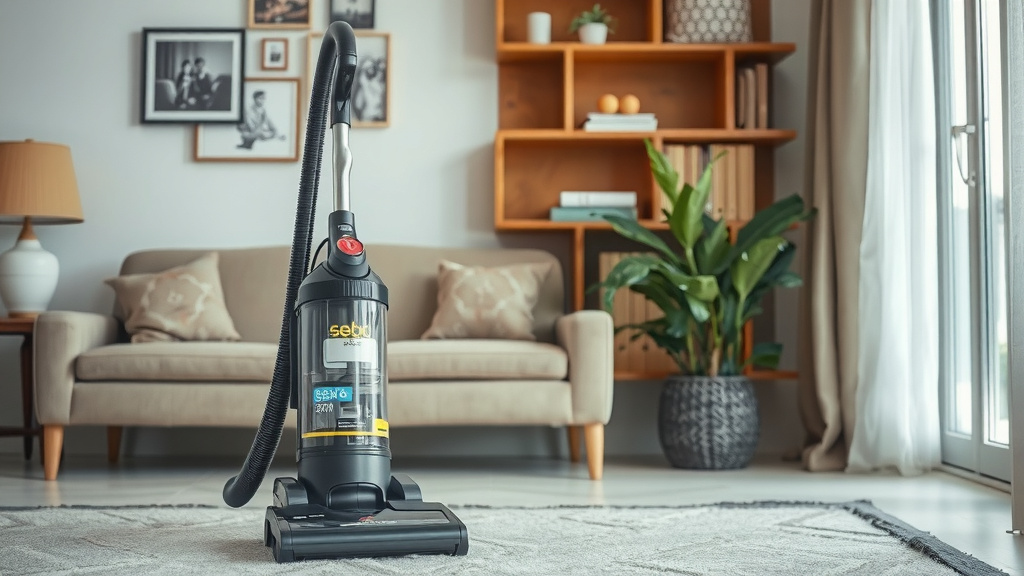
The brush belt is what drives the spinning brush roller. Like any rubber component, it can wear out over time. Many Sebo models have an indicator or a simple way to check the belt’s condition. If it looks worn, frayed, or broken, replacing it is a straightforward maintenance task that keeps your vacuum’s main cleaning tool working effectively. Experts suggest checking this at least once a year.
When Maintenance Becomes Repair
Even with the best care, parts can eventually wear out. It’s helpful to know what to look for and how to address minor issues before they become major repairs. Many owners report that even when a part needs replacing, the rest of the machine is still in excellent condition.
Common Wearable Parts
The most common parts that might need attention over the years are belts, filters, and sometimes brush roll bearings. These are all standard wear-and-tear items that are relatively inexpensive to replace on a Sebo vacuum.
Signs Your Vacuum Needs Attention
Are you noticing a significant drop in suction power? Is the brush roller not spinning as vigorously as it used to? Do you hear unusual noises? These are all signals that it might be time for a check-up or a specific part replacement. Addressing these early can prevent further damage.
Think of it like getting an oil change for your car. It’s a small effort that helps prevent much larger, more expensive problems. By staying attentive to your Sebo’s performance, you’re ensuring it continues to be a reliable cleaning companion for many years.
The Investment Factor: Cost vs. Longevity
When you look at the initial cost of a Sebo vacuum, it might seem higher than some other options. However, when you factor in the 10-15 years or more of reliable service you can expect, the cost per year becomes quite low. This long-term perspective often makes Sebo a more economical choice than buying and replacing cheaper vacuums every few years. Many sources suggest this long-term value proposition is a major selling point for Sebo.
Consider this quick checklist to keep your Sebo running strong:
- Check and clean filters monthly.
- Empty the dust bag or bin when 75% full.
- Clear brush roller and hoses of debris regularly.
- Inspect the brush belt for wear at least annually.
- Listen for unusual noises or changes in performance.
- Address small issues promptly to prevent bigger problems.
Conclusion
You’ve learned that your Sebo vacuum is built for the long haul, often lasting 10 to 15 years or even more. This impressive longevity is thanks to their quality construction and robust engineering. By committing to regular maintenance—like cleaning filters, emptying the bin, and clearing the brush roller—you actively contribute to its lifespan. Don’t forget to check the brush belt periodically. Prioritizing these simple steps ensures your Sebo remains a powerful and reliable cleaning partner for years to come. Ready to give your Sebo the care it deserves? Start with a quick filter check today!
Frequently Asked Questions
Will my Sebo vacuum still work if I rarely clean the filters?
Your Sebo vacuum will likely still work, but its performance will suffer. Clogged filters restrict airflow, reducing suction power and making the motor work harder. This can lead to premature wear and a shorter overall lifespan for your vacuum cleaner.
How often should I realistically expect to replace parts like the brush belt?
For most users, a brush belt replacement is needed every few years, perhaps 3-5 years, depending on usage intensity. Some models have wear indicators, but annual visual inspection is always a good practice to catch any fraying or damage early.
Is it worth repairing a Sebo vacuum if a motor fails after 10 years?
Often, yes. Sebo vacuums are known for their durable construction, meaning other components might still be in excellent condition. If the cost of repair is reasonable compared to a new vacuum, and you’ve maintained it well, repairing it can be a very cost-effective decision.
Can using my Sebo vacuum on different floor types affect its lifespan?
Using your Sebo on appropriate floor types without forcing it can help. For example, if your model isn’t designed for deep-pile carpets, trying to vacuum them might strain the motor or brush roller. Always use your vacuum as intended for its specific design.
What’s the best way to store my Sebo vacuum to maximize its life?
Store your Sebo vacuum in a dry, clean place, away from extreme temperatures. Ensure the dust bag or bin is empty and the filters are clean before storing for extended periods. Avoiding storing it where it can be easily knocked over or damaged is also wise.