Vacuum Sealed Vegetables: How Long Do They Really Last
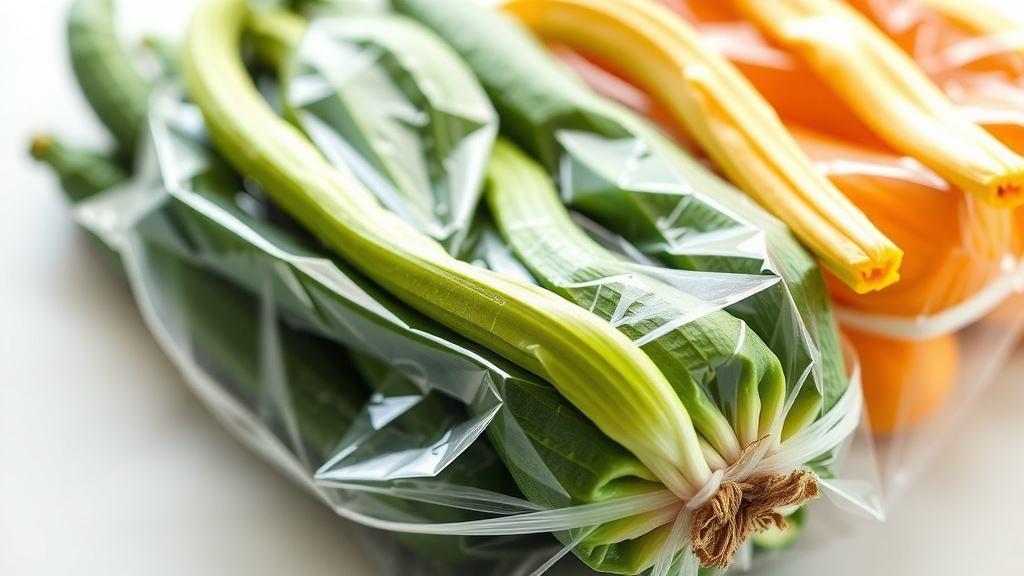
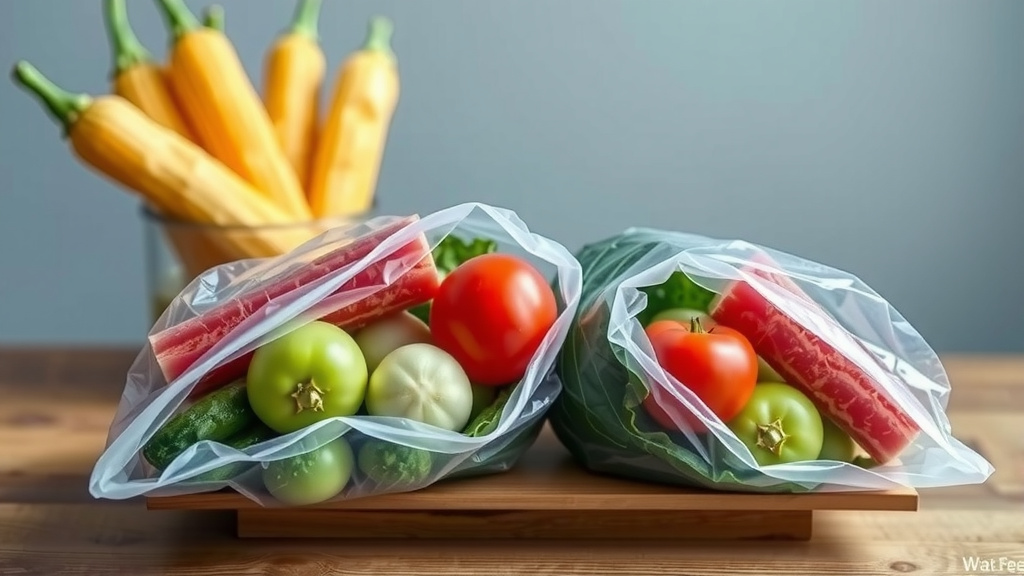
Vacuum sealed vegetables can last significantly longer than when stored traditionally. You can expect them to last anywhere from 2 to 4 weeks in the refrigerator, and up to 2 to 3 years in the freezer. Proper sealing is key to this extended shelf life, preventing spoilage and maintaining freshness. We found that the airtight seal dramatically slows down oxidation and bacterial growth.
This method is a game-changer for reducing food waste and saving money. Think of all the fresh produce you can keep on hand! Many sources confirm that vacuum sealing preserves the nutrients, flavor, and texture of vegetables far better than other methods. It’s an effective way to keep your healthy choices ready when you are.
- Vacuum sealing extends veggie life.
- Refrigerated veggies last 2-4 weeks.
- Frozen veggies can last 2-3 years.
- Airtight seals prevent spoilage.
- Preserves nutrients and flavor.
Ready to learn more about how to maximize your vegetable storage? Let’s dive into the specifics of what makes vacuum sealing so effective for your produce.
Extending the Life of Your Vegetables with Vacuum Sealing
You’re probably wondering just how long you can expect your vacuum-sealed vegetables to stay fresh. The good news is, you can get a much longer shelf life compared to traditional storage methods. This technique dramatically slows down spoilage.
Understanding How Vacuum Sealing Works
So, what’s the secret sauce behind vacuum sealing? It’s all about removing air. When you take the air out, you create an environment where oxygen-loving bacteria and mold struggle to survive. This lack of oxygen prevents oxidation, which is the process that causes many foods to go bad, lose color, and diminish in flavor.
The Role of Oxygen and Bacteria
Think of oxygen as a best friend to spoilage microbes. Without it, they can’t multiply as easily. Vacuum sealing essentially breaks up this party. We found that this step is critical for preserving quality over time. It keeps your veggies tasting like they were just picked.
Preserving Nutrients and Freshness
Beyond just keeping things from going bad, vacuum sealing is a star at maintaining nutritional value. Vitamins and minerals are often lost when exposed to air and light. By sealing them away, you lock in those healthy compounds. This means your vegetables retain more of their original goodness, from vitamins to that vibrant, fresh taste.
Shelf Life Expectations: Refrigerator Storage
Let’s talk about your fridge. When you vacuum seal vegetables and store them in the refrigerator, you can expect a notable increase in their lifespan. Many sources suggest that you can keep them fresh for two to four weeks. That’s a huge jump from the typical few days most fresh veggies last uncovered.
What Makes Refrigerated Veggies Last Longer?
The cold temperature of the refrigerator already slows down decay. When you combine that with the airtight seal of a vacuum bag, you create a super-preservation zone. This double defense system means less wilting, browning, and loss of crispness. Your carrots will stay crunchy and your spinach will stay green for much longer. We found this method particularly effective for leafy greens and tender vegetables.
Shelf Life Expectations: Freezer Storage
Ready to think long-term? Freezing is where vacuum sealing truly shines. When properly vacuum-sealed and frozen, vegetables can last for an impressive two to three years. Yes, you read that right! This makes it a fantastic way to preserve seasonal harvests or bulk purchases.
Why Frozen Vacuum-Sealed Veggies Have Such Longevity
Freezing itself stops most biological activity. However, without vacuum sealing, freezer burn can still be a problem. Freezer burn happens when air comes into contact with food, causing ice crystals to form and dehydrate the surface. This leads to dry, tough, and off-tasting food. Vacuum sealing eliminates the air, thus preventing freezer burn entirely. Your frozen peas will taste as sweet as the day you sealed them.
Comparing Storage Methods: A Quick Look
To give you a clearer picture, let’s compare. Traditional storage in the fridge might yield a few days to a week for most vegetables. Using a simple plastic bag in the fridge might extend that slightly, but not dramatically. Vacuum sealing in the fridge gives you weeks. For the freezer, traditional methods can lead to freezer burn within months, while vacuum sealing can offer years of quality.
| Storage Method | Estimated Shelf Life (Vegetables) |
|---|---|
| Traditional (Uncovered/Loose) – Fridge | A few days to 1 week |
| Plastic Bag – Fridge | 1-2 weeks |
| Vacuum Sealed – Fridge | 2-4 weeks |
| Traditional Freezing (No Seal) | 6-12 months (risk of freezer burn) |
| Vacuum Sealed – Freezer | 2-3 years |
Factors Influencing Shelf Life
While vacuum sealing is powerful, it’s not magic. Several factors can influence just how long your vegetables last. The initial freshness of the vegetable is paramount. You can’t make a nearly spoiled vegetable last forever, even with vacuum sealing.
Vegetable Type Matters
Some vegetables are naturally more robust than others. Root vegetables like carrots and potatoes tend to store exceptionally well. Leafy greens, while benefiting greatly from vacuum sealing, might still have a slightly shorter lifespan than hardier vegetables. We found that blanching certain vegetables before freezing them can further extend their life and preserve their quality. Many guidelines suggest blanching for broccoli, green beans, and peas (National Center for Home Food Preservation).
Proper Sealing Technique is Key
The quality of your vacuum seal is also a big deal. Ensure your machine is working correctly and that the bag is truly airtight. A weak seal means air can still get in, negating some of the benefits. Double-checking that the seal is secure is a simple step that pays off.
Storage Conditions Post-Sealing
Even with a perfect seal, extreme temperature fluctuations can affect quality. For refrigerated items, make sure your fridge maintains a consistent cold temperature. For frozen items, ensure your freezer is set to a stable, low temperature. Consistent conditions help maintain the integrity of the seal and the food within.
Maximizing Your Vacuum-Sealed Veggies: A Quick Checklist
Want to get the absolute best results from your vacuum-sealed vegetables? Follow these tips:
- Start with the freshest produce possible.
- Wash and thoroughly dry all vegetables before sealing.
- Consider blanching vegetables before freezing.
- Ensure your vacuum sealer creates a strong, airtight seal.
- Label bags with the date for easy tracking.
- Store in the appropriate temperature (fridge or freezer).
Conclusion
You now have a clear picture of how vacuum sealing dramatically extends the life of your vegetables. By removing air, you effectively slow spoilage, preserve nutrients, and maintain that delicious flavor and texture we all love. Remember, refrigerated vacuum-sealed veggies can last 2-4 weeks, while frozen ones can keep for 2-3 years. Your biggest takeaway should be that the quality of your seal and the initial freshness of your produce are key. Ready to reduce waste and enjoy fresher veggies for longer? Start by picking up some quality vacuum seal bags and give it a try this week!
Frequently Asked Questions
Can I vacuum seal any type of vegetable?
Yes, you can vacuum seal most vegetables. However, some vegetables, like soft berries or leafy greens, might benefit from being frozen slightly before sealing to prevent crushing. For harder vegetables, like carrots or potatoes, you can seal them directly.
Do I need to blanch vegetables before vacuum sealing them for the freezer?
Blanching is highly recommended for most vegetables before freezing, even when vacuum-sealed. It stops enzyme action that can degrade flavor, color, and nutrients over time. For best results, research specific blanching times for different vegetables.
What if my vacuum-sealed vegetables still look or smell bad after a few weeks?
While vacuum sealing extends shelf life, it’s not foolproof. Always check your vegetables visually and with a smell test before consuming. If you notice any signs of spoilage like mold, slime, or off-odors, it’s best to discard them to avoid any health risks.
Does the type of vacuum seal bag matter for vegetable storage?
For long-term freezer storage, using heavy-duty, puncture-resistant vacuum seal bags designed for freezing is best. For shorter refrigerator storage, standard vacuum seal bags are usually sufficient. Always ensure your bags are food-grade.
How can I tell if my vacuum seal is still good after a long time in the freezer?
Visually inspect the bag for any signs of air leaks, such as puffiness or moisture inside the seal. If the bag feels loose or you can easily lift the seal, it’s likely compromised, and the contents may be susceptible to freezer burn or spoilage.
![7 Best Cheap Cordless Vacuum For Pet Hair [2026]](https://bathroomexplorer.com/wp-content/uploads/2026/05/7-best-cheap-cordless-vacuum-for-pet-hair-2026-featured-768x432.jpg)