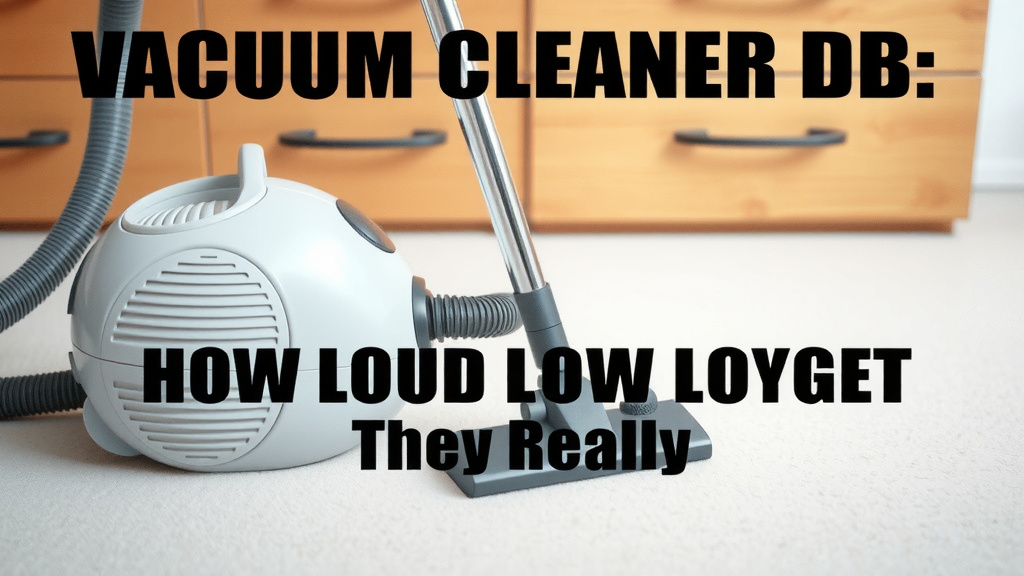
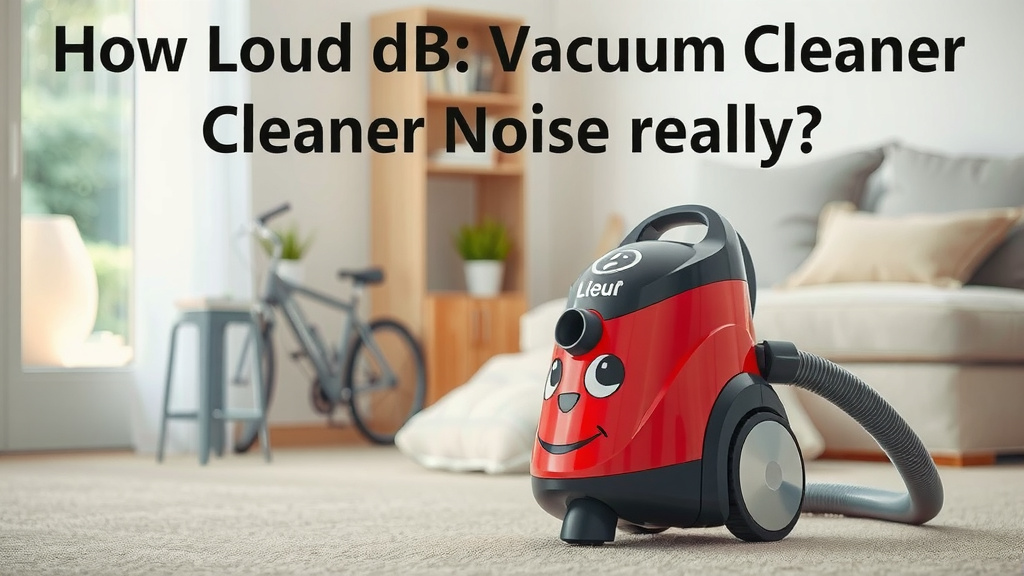
Vacuum Cleaner DB: How Loud Are They Really
A typical vacuum cleaner operates between 70 and 80 decibels (dB). This is comparable to a busy street or a garbage disposal. So, while they help keep your home clean, they can also be quite loud. Some older or more powerful models might even exceed 80 dB, which is getting into the range of hearing damage if exposed for too long.
The noise level of a vacuum depends on several factors. Your vacuum’s motor power and its design play a big role. Bagged models tend to be a bit quieter than bagless ones. We found that newer, high-end vacuums often focus on noise reduction technology.
- Vacuum cleaner noise ranges from 70 to 80 decibels (dB).
- This is similar to a busy street or a garbage disposal.
- Motor power and design influence how loud a vacuum is.
- Bagged vacuums are often quieter than bagless ones.
- Newer models may include noise reduction features.
Let’s dive into what those numbers mean and how you can find a quieter option for your home.
Understanding Vacuum Cleaner Noise Levels
You’re probably wondering just how loud your vacuum cleaner is. Most household vacuums fall into a noise range of 70 to 80 decibels (dB). Think of that as the sound you’d hear standing near a busy street or perhaps the hum of a garbage disposal. It’s loud enough to be noticeable, and sometimes a bit jarring, especially if you’re sensitive to noise.
This decibel range is important to understand. According to the National Institute on Deafness and Other Communication Disorders (NIDCD), prolonged exposure to sounds at or above 85 dB can cause hearing loss. While your vacuum might not hit that high, spending a good amount of time vacuuming at 70-80 dB still warrants some awareness.
Factors That Contribute to Vacuum Noise
So, what makes one vacuum sound like a jet engine while another purrs more gently? Several components and design choices play a role in the decibel output of your cleaning machine.
Motor Power and Speed
The heart of any vacuum is its motor. A more powerful motor often means a louder machine. These motors spin very fast to create suction. Higher RPMs can translate directly to more noise. It’s like comparing a small fan to a powerful industrial blower – the latter is naturally going to be louder.
Airflow and Filtration Design
How the air moves through your vacuum cleaner also affects noise. The path the air takes, the seals on the machine, and the type of filtration system can all create or dampen sound. Think of blowing through a narrow straw versus a wide tube – the resistance changes the sound.
Bagged vs. Bagless Models
We found that bagged vacuums often have a slight edge in noise reduction. The bag itself can act as a bit of a sound muffler, absorbing some of the motor’s vibrations and noise. Bagless models, with their direct collection bins, might allow more sound to escape.
Age and Maintenance of Your Vacuum
An older vacuum might become noisier over time. Parts can wear down, seals can loosen, and dust buildup can affect airflow, all contributing to increased sound. Regular maintenance, like cleaning filters and checking for blockages, can help keep your vacuum running more quietly. A well-maintained machine is generally a happier, quieter machine.
Decibel Levels: What the Numbers Mean for Your Ears
Let’s break down what these decibel levels actually mean in everyday terms. It’s helpful to have a frame of reference beyond just a number.
| Sound Source | Approximate Decibel Level (dB) |
|---|---|
| Whisper | 15-20 dB |
| Quiet Library | 30-40 dB |
| Normal Conversation | 60 dB |
| Dishwasher / Washing Machine | 65-75 dB |
| Vacuum Cleaner (Typical) | 70-80 dB |
| Garbage Disposal / Busy Street | 80-85 dB |
| Lawn Mower | 90-100 dB |
As you can see, your vacuum cleaner is one of the louder appliances in your home. It’s louder than a normal conversation, but generally quieter than a lawn mower. However, the extended periods you might use a vacuum mean you’re exposed to that 70-80 dB range for a significant duration during cleaning sessions.
Potential Hearing Risks
The Centers for Disease Control and Prevention (CDC) advises that damage to hearing can occur when exposed to sounds above 85 dB for extended periods. While most vacuums don’t reach this level, consistent exposure to sounds around 80 dB can still contribute to auditory fatigue or, over a very long time, potential issues. It’s wise to be mindful, especially if you vacuum frequently or for long stretches.
Finding a Quieter Vacuum Cleaner
The good news is that manufacturers are increasingly aware of noise pollution. Many newer models are designed with noise reduction in mind. If a quieter clean is a priority for you, here’s what to look for:
Look for “Quiet” or “Low Noise” Ratings
Some brands will explicitly market their vacuums as quiet or provide specific decibel ratings. If you see a decibel level listed, aim for models below 70 dB if possible. That’s a noticeable difference from the typical 70-80 dB range.
Consider Specialized Quiet Models
There are vacuums designed specifically for quiet operation. These often incorporate advanced motor technology and better sound insulation. We found research suggesting that some high-end models invest heavily in these features to appeal to consumers who value peace and quiet.
Check Reviews for Noise Complaints (or Praises!)
Real-world user reviews can be incredibly helpful. People often mention noise levels in their feedback. Look for comments about how loud or quiet a vacuum is during use. This practical feedback is often more telling than manufacturer claims alone.
Try Before You Buy, If Possible
If you have the chance to test a vacuum in a store or a friend’s home, take advantage of it. Hearing the noise level firsthand is the best way to gauge if it’s acceptable for your comfort level.
Tips for Quieter Vacuuming
Even if you have a standard vacuum, you can take steps to make your cleaning routine a little less noisy. These small changes can make a difference:
- Vacuum in shorter bursts. Instead of one long session, break it up into smaller, more frequent cleanings.
- Ensure good maintenance. Keep filters clean and check for clogs regularly. A happy vacuum is a quieter vacuum.
- Consider the time of day. If you live with others, try to vacuum when it’s least disruptive.
- Use ear protection for prolonged sessions. If you’re doing a deep clean and your vacuum is on the louder side, consider wearing earplugs or noise-canceling headphones.
- Secure loose parts. Sometimes, rattling parts can add to the noise. Make sure everything is tightened.
- Close doors to other rooms. This can help contain the sound within the area you are cleaning.
Conclusion
You’ve learned that most vacuum cleaners operate between 70 and 80 decibels, comparable to a busy street. Factors like motor power, design, and whether it’s bagged or bagless influence this noise. While this range isn’t immediately dangerous, prolonged exposure warrants attention. Thankfully, manufacturers are creating quieter models, and simple tips can help you manage noise during cleaning. Prioritizing a quieter vacuum or using ear protection can make your cleaning routine more peaceful. Make a choice that balances effective cleaning with your comfort and hearing health.
Frequently Asked Questions
Are all vacuum cleaners really that loud?
Most household vacuums fall within the 70-80 dB range, which is quite noticeable. Some older or very powerful models can even exceed this. While not as loud as a lawn mower, this level is louder than normal conversation.
Can a vacuum cleaner permanently damage my hearing?
Permanent hearing damage is typically associated with prolonged exposure to sounds at 85 dB and above. Most vacuums stay below this, but consistent exposure around 80 dB can contribute to hearing fatigue and potential issues over a very long time.
What’s the best way to find a truly quiet vacuum?
Look for models marketed as “quiet” or “low noise” and check for specific decibel ratings if available, aiming for under 70 dB. Reading user reviews is also helpful, as people often comment on noise levels.
Does a vacuum’s age affect how loud it is?
Yes, older vacuums can become louder over time. Worn parts, loose seals, or dust buildup can all increase noise. Regular maintenance can help keep your current vacuum running more quietly.
Besides buying a quiet vacuum, what else can I do?
You can vacuum in shorter bursts, ensure your vacuum is well-maintained with clean filters, close doors to other rooms to contain sound, and even consider wearing earplugs or noise-canceling headphones for extended cleaning sessions.
![7 Best Lightweight Vacuum For Hardwood Floors And Pet Hair [2026]](https://bathroomexplorer.com/wp-content/uploads/2026/06/7-best-lightweight-vacuum-for-hardwood-floors-and-pet-hair-2026-featured-768x432.jpg)
![7 Best Cordless Stick Vacuum For Hair [2026]](https://bathroomexplorer.com/wp-content/uploads/2026/05/7-best-cordless-stick-vacuum-for-hair-2026-featured-768x432.jpg)