Vacuum Cleaner Noise Levels Explained
Vacuum cleaners typically operate between 60 and 85 decibels (dB). This means they can be as loud as a washing machine or even a garbage disposal. Some older models or particularly powerful machines can exceed this range, reaching up to 90 dB. For context, prolonged exposure to sounds above 85 dB can potentially harm your hearing, so it’s wise to be aware of your vacuum’s noise level.
The loudness often depends on the vacuum’s design and motor strength. Bagged vacuums tend to be a bit quieter than bagless ones. Additionally, vacuums with better sound insulation might offer a quieter cleaning experience. You might also notice that canister vacuums are often quieter than upright models.
- Vacuum noise levels range from 60 to 85 decibels.
- Sounds above 85 dB can be harmful over time.
- Bagged vacuums are generally quieter than bagless ones.
- Canister vacuums are often less noisy than uprights.
- Look for noise ratings if a quiet vacuum is a priority.
Let’s get a clearer picture of just how loud your vacuum cleaner is and what that means for your home. Below, we break down the decibel levels and what you can do to manage noise.
You’ve heard the roar, the hum, the sometimes-alarming whine. Your vacuum cleaner, while a superhero for dirt and dust, can also be a bit of a noise-maker. Understanding just how loud it is, and what those numbers mean, is key to a more peaceful cleaning routine. Let’s break down the decibel drama!
Understanding Vacuum Cleaner Noise Levels
What exactly is a decibel, anyway? Think of it as a unit that measures sound intensity. The higher the number, the louder the sound. This might sound technical, but it’s actually pretty straightforward.
Decibels Explained
We often hear about decibels (dB) in relation to noise. A quiet whisper might be around 30 dB. Normal conversation is usually about 60 dB. That’s where most vacuum cleaners start their work, around the level of a busy cafe.
Things start to get concerning when you hit higher numbers. Many experts say that prolonged exposure to sounds above 85 dB can potentially damage your hearing (National Institute on Deafness and Other Communication Disorders). This is a critical point when considering how often you use your vacuum.
The Range of Vacuum Loudness
As your intro mentioned, most vacuums fall somewhere between 60 and 85 dB. It’s a wide range, and your specific model could be on the quieter end or the louder end of that spectrum. Some older, less insulated models might even push past 85 dB, getting closer to the sound of a lawnmower!
Why the big difference? It boils down to a few key factors we’ll explore next. But for now, just know that not all vacuums are created equal when it comes to noise. Some are designed with quiet operation in mind.
Factors Influencing Vacuum Cleaner Sound
So, what makes one vacuum sound like a gentle breeze and another like a jet engine on take-off? Several design elements play a role. It’s not just about raw power; it’s about how that power is managed and contained.
Motor Strength and Design
The heart of your vacuum is its motor. A more powerful motor often means more noise. However, manufacturers are getting smarter about motor design. Newer motors might be more efficient and quieter than older ones, even if they offer comparable suction power.
We found that the way the motor is mounted and housed within the vacuum also makes a huge difference. Good engineering can really dampen the sound. It’s like building a quiet room for the noisy engine.
Airflow and Suction
Vacuum cleaners work by creating suction through airflow. The faster the air moves and the more resistance it encounters, the louder the sound can become. Think of blowing through a narrow straw versus a wide one.
This is where the type of vacuum cleaner often comes into play. A vacuum cleaner that needs to work harder to pull in air and debris might naturally be louder. This is why some very powerful, high-performance models can be quite noisy.
Sound Insulation and Design Features
This is a big one! Just like your house might have insulation to keep sounds out (or in!), vacuums can have sound-dampening materials. Manufacturers focused on quieter operation will incorporate these materials around the motor and airflow pathways.
You might also notice that the overall shape and construction of the vacuum can affect its noise. Some designs are simply better at containing and muffling sound. Bagged vacuums, for instance, often have an extra layer of material (the bag itself) that can help absorb some sound.
Comparing Vacuum Types by Noise Level
When you’re shopping for a new vacuum, or just curious about your current one, the type of vacuum can give you a clue about its potential loudness. It’s not a hard and fast rule, but there are general trends we’ve observed.
Upright vs. Canister Vacuums
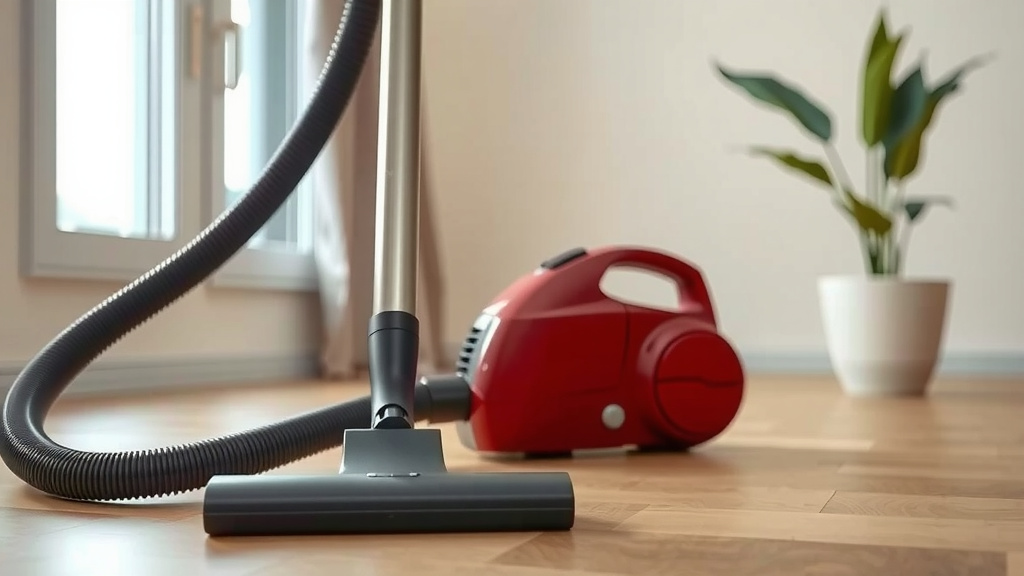
Generally speaking, canister vacuums tend to be a bit quieter than their upright counterparts. Why? Often, the motor and dustbin are housed in a separate unit on the floor, which can allow for better sound insulation. The cleaning head is connected by a hose, which keeps the primary noise source further away from you.
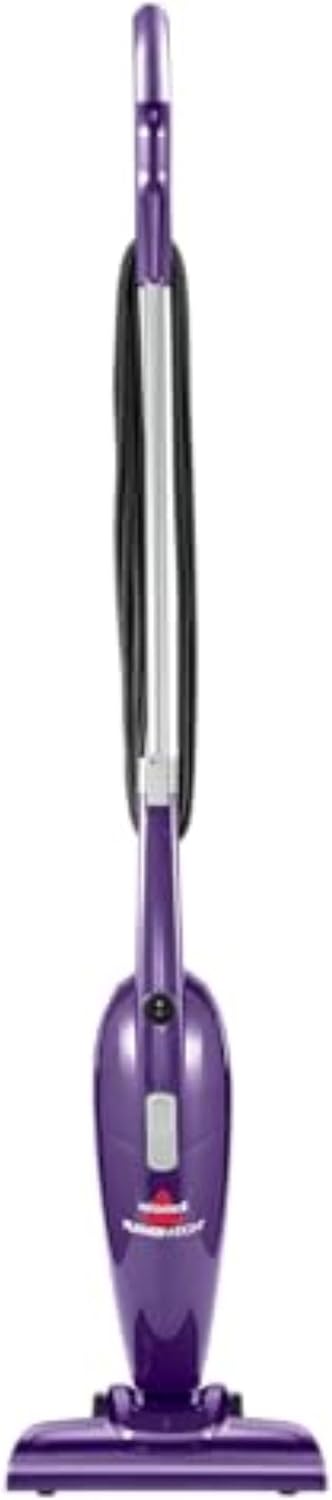
Upright vacuums pack everything into one unit that you push around. This close proximity and often more compact design can sometimes lead to higher noise levels. However, modern uprights are improving rapidly in this area.
Bagged vs. Bagless Vacuums
We’ve found that bagged vacuums often have a slight edge in terms of noise. The bag itself acts as a natural sound barrier. It’s an extra layer that helps absorb and trap some of the noise generated by the motor and the debris being sucked up.
Bagless vacuums, with their direct-to-bin collection, can sometimes be a bit more resonant. The sound waves might not have as much to be absorbed by. Still, advancements in bagless technology mean many are now very quiet.
When is Vacuum Noise a Problem?
Most of us accept a certain level of noise when we vacuum. It’s the sound of a clean home, right? But there are times when that noise can be more than just an annoyance.
Hearing Health Concerns
As mentioned earlier, sustained exposure to loud noise can lead to hearing loss. While a few minutes of vacuuming likely won’t cause permanent damage, if you’re vacuuming for long periods or have a particularly loud machine, it’s something to be mindful of.
Think about it: if your vacuum is consistently at 85 dB or higher, and you vacuum for 30 minutes a day, that’s a significant amount of noise exposure. For families with young children or pets, the noise can also be stressful.
Impact on Your Home Environment
Beyond hearing, excessive noise can disrupt your household. It can make it hard to have a conversation, listen to music, or even just relax. For people working from home, a loud vacuum can be a major distraction.
Pets, especially dogs, often react strongly to the loud noise of a vacuum cleaner. What’s a cleaning tool for you can be a source of anxiety for them. Understanding the decibel level can help you choose times to vacuum when disruptions are minimized.
Tips for a Quieter Cleaning Experience
Don’t despair if your vacuum is a bit of a sound machine! There are practical steps you can take to mitigate the noise. Your ears (and your family, including the furry members) will thank you.
- Check the decibel rating: When buying a new vacuum, look for models that advertise a low decibel level. Many manufacturers are now listing this information.
- Consider your vacuum type: If noise is a primary concern, a quieter canister or a well-designed upright with good insulation might be your best bet.
- Maintain your vacuum: A clogged filter or a brush roll full of hair can make your vacuum work harder and potentially louder. Regular maintenance can help.
- Vacuum strategically: Try to vacuum when household members are out or when noise is less likely to be disruptive.
- Use ear protection: For very loud vacuums or extended cleaning sessions, wearing earplugs or earmuffs is a sensible precaution.
- Consider a robot vacuum: While they don’t replace a deep clean, robot vacuums are generally much quieter and can help maintain cleanliness between deeper cleans.
Conclusion
Your vacuum cleaner’s noise level is more than just an annoyance; it can impact your hearing and home environment. We found that vacuums typically range from 60 to 85 decibels, with anything above 85 dB potentially causing harm over time. Factors like motor design, airflow, and insulation greatly influence this sound. While canister and bagged models often offer a quieter experience, modern engineering is improving all types. By understanding these differences and looking for low decibel ratings, you can make informed choices for a more peaceful home. For your next vacuum purchase, prioritize models that clearly list their decibel rating to ensure a quieter clean.
Frequently Asked Questions
What is considered a quiet vacuum cleaner decibel level?
Generally, vacuums operating below 70 decibels are considered quiet. Many manufacturers now list noise ratings, so look for models under 70 dB if peace and quiet is a top priority for you.
Can vacuum cleaners actually damage my hearing?
Yes, prolonged exposure to vacuums that consistently operate at 85 decibels or higher can potentially lead to hearing damage. It’s wise to be mindful of how long you’re exposed to loud noise.
Are robot vacuums quieter than traditional vacuums?
Robot vacuums are typically much quieter than upright or canister models, often falling below 60 decibels. They are a great option for maintaining cleanliness with minimal disruption.
Does a vacuum’s bag or lack thereof affect its noise level?
Yes, bagged vacuums tend to be slightly quieter because the bag itself acts as an additional sound-dampening layer. Bagless vacuums can sometimes be a bit more resonant.
How can I make my current vacuum cleaner less noisy?
Regular maintenance, like cleaning filters and brush rolls, can help your vacuum run more efficiently and potentially quieter. Ensure all parts are securely in place, as loose components can rattle and add noise.