Average Vacuum Cleaner Decibels: What You Need to Know
The average vacuum cleaner operates somewhere between 70 to 80 decibels. This noise level is similar to that of a busy street or a loud conversation. So, yes, your vacuum is likely quite noisy! Understanding this range helps you know what’s considered normal for vacuum cleaner noise.
While most vacuums fall into that 70-80 dB range, some can be louder. You might be surprised by how much noise a truly powerful model can make. We found that older models and some specialized vacuums can sometimes exceed 85 decibels. This is where it can start to get concerning for your hearing.
- Most vacuums are between 70-80 dB.
- This is like a busy street sound.
- Some can be louder than 80 dB.
- Older or special vacuums are often noisier.
- Hearing protection might be wise for very loud models.
Let’s dive a bit deeper into what those decibel numbers actually mean for you and your home. We’ll look at how different types of vacuums stack up and what you can do if noise is a big concern.
“`htmlWhat Decibel Level Should You Expect from Your Vacuum?
You’re probably wondering, “Just how loud is my vacuum cleaner, really?” Most household vacuums fall within a specific decibel range. We found that the average vacuum cleaner operates between 70 and 80 decibels. Think of this as the sound of a busy street or a garbage disposal unit.
This range is pretty standard for most models. It’s loud enough to be noticeable, but not so loud that it’s typically considered damaging for short periods. Still, it’s definitely not quiet enough for a relaxing afternoon nap!
Understanding Decibels: The Basics
Decibels (dB) are a unit of sound measurement. They help us understand how loud a sound is. This scale is logarithmic, meaning a small increase in decibels means a much bigger jump in sound energy. A 10-decibel increase actually means the sound is 10 times more intense.
What These Numbers Mean for Your Hearing
The National Institute on Deafness and Other Communication Disorders (NIDCD) provides guidelines on safe noise exposure. Sounds at 70 dB are generally considered safe for prolonged exposure. However, sounds at 85 dB or higher can cause hearing damage over time.
So, while your 70-80 dB vacuum is within the safe zone for occasional use, it’s good to be aware. If you vacuum for very long stretches, or if your vacuum is on the higher end of that range, it’s worth considering some precautions.
When Noise Levels Become a Concern
Some vacuums push the noise envelope. We found that certain older models, or those with very powerful motors for intense cleaning, can exceed 85 decibels. A sound at 85 dB is comparable to the noise inside a motorcycle.
If your vacuum consistently registers at or above 85 dB, especially if you use it frequently, it’s a good idea to think about protecting your hearing. Imagine the sound of a lawnmower – that’s getting into the territory where damage can occur with extended exposure (CDC).
Comparing Vacuum Cleaner Noise Levels
Not all vacuums are created equal when it comes to noise. Several factors influence how loud a vacuum will be. These include the motor’s power, the design of the airflow system, and even the age and condition of the machine.
Different Types of Vacuums and Their Decibel Ratings
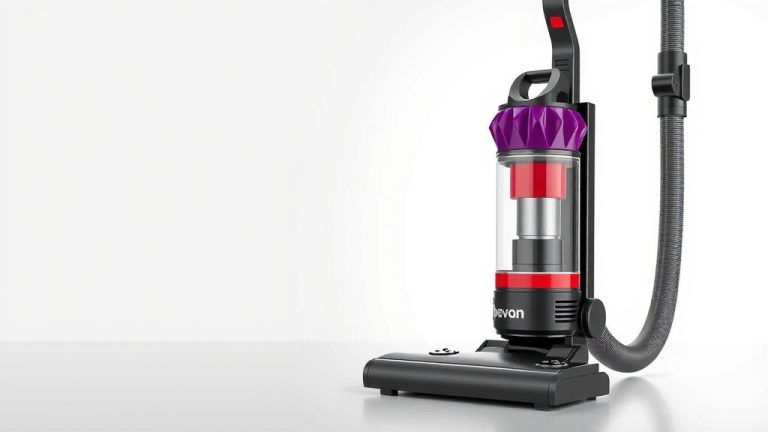
We looked at how common vacuum types stack up. Your typical upright or canister vacuum usually sits in that 70-80 dB range. They’re the workhorses of many homes.
Robot Vacuums: The Quiet Achievers?
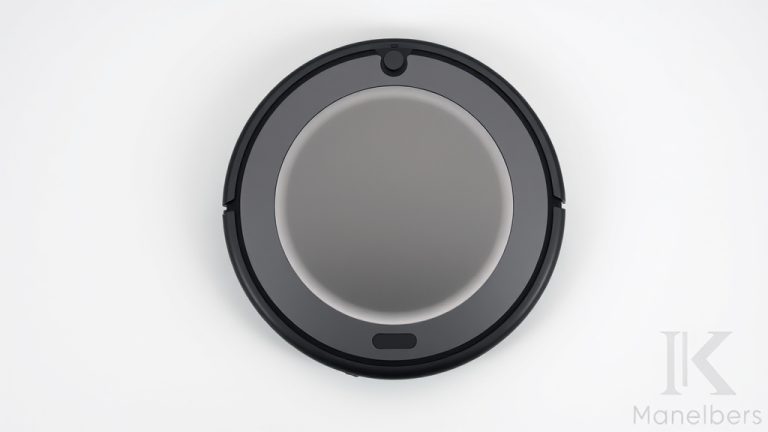
Robot vacuums are often marketed as being quieter. Many of these models do operate at a lower decibel level, sometimes around 55-65 dB. This is more like a normal conversation or a refrigerator hum. They might not be as powerful, but they are a great option if noise is a major concern.
Handheld Vacuums: Small but Mighty (and Loud)?
Handheld vacuums can be a mixed bag. Some are designed to be compact and quiet for quick cleanups. Others, with more powerful suction, can surprisingly reach noise levels similar to larger vacuums, sometimes hitting 75-80 dB.
Cordless Stick Vacuums: Modern and Often Quieter
Cordless stick vacuums often offer a good balance. Many newer models are designed with quieter operation in mind. You’ll commonly find these in the 65-75 dB range, making them less intrusive than many traditional models.
Factors Affecting Vacuum Cleaner Noise
Several elements contribute to the noise your vacuum makes. The motor is the heart of the operation, and a more powerful motor often means more noise. Think of it like a car engine – a sports car is usually louder than a sedan.
The airflow design also plays a role. How the air moves through the vacuum, from the intake to the exhaust, can create different sound profiles. Poorly designed airflow can result in whistling or rattling sounds.
Finally, maintenance and age matter. A vacuum that’s clogged with dust or has worn-out parts can become much louder than it was when new. Regular cleaning and upkeep can help keep the noise down.
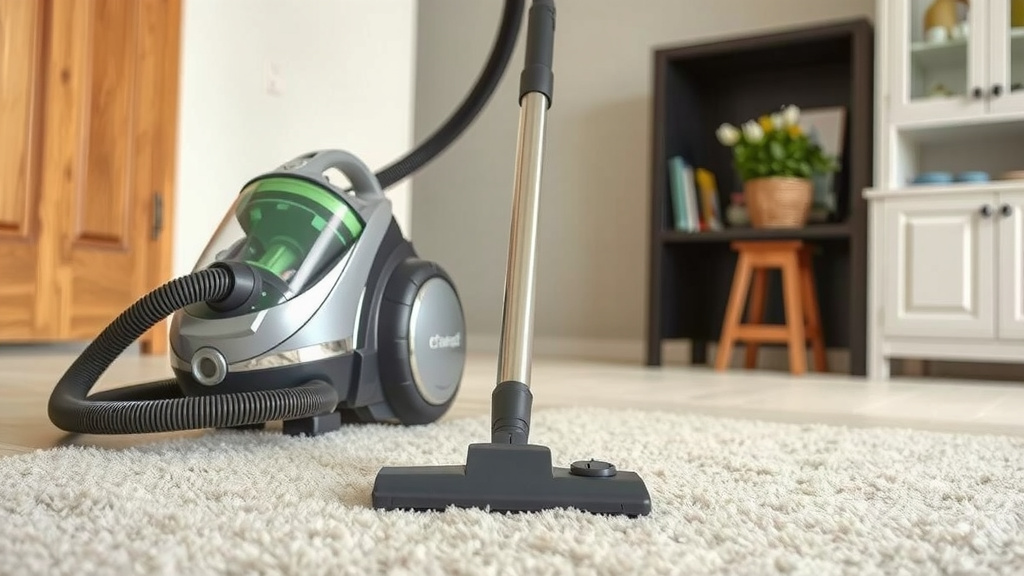
Table: Vacuum Noise Levels at a Glance
To help you visualize, here’s a quick comparison of typical sound levels. This can help you understand where your vacuum might fit in.
| Sound Source | Decibel Level (dB) | Comparison |
|---|---|---|
| Whisper | 10-20 dB | Very Quiet |
| Refrigerator | 40 dB | Quiet Room |
| Normal Conversation | 60 dB | Comfortable Listening |
| Robot Vacuum | 55-65 dB | Quieter Than Average |
| Cordless Stick Vacuum | 65-75 dB | Moderate Noise |
| Average Vacuum Cleaner | 70-80 dB | Busy Street / Loud Conversation |
| Garbage Disposal | 80 dB | Very Loud |
| Lawnmower | 90 dB | Hearing Protection Recommended |
| Rock Concert | 110 dB | Instant Hearing Damage Risk |
Tips for Managing Vacuum Cleaner Noise
If you find your vacuum is a bit too loud for your liking, don’t worry! There are several things you can do. These tips can help make your cleaning routine a little more peaceful.
Choosing a Quieter Vacuum
When it’s time for a new vacuum, noise level is definitely something to consider. Look for models that advertise their decibel rating. Many manufacturers now provide this information. As we found, robot and some cordless stick vacuums are often good choices for quieter operation.
Simple Steps to Reduce Vacuum Noise
Even with your current vacuum, you can take steps. Make sure your vacuum bag or bin isn’t overflowing and that filters are clean. A clogged vacuum has to work harder, which often makes it louder. Regularly checking and cleaning these parts can help. You might also notice that older vacuums become less efficient and louder over time.
When to Consider Hearing Protection
For vacuums consistently over 80 dB, or if you’re particularly sensitive to noise, consider wearing hearing protection. Simple earplugs or earmuffs can make a big difference, especially during longer cleaning sessions. It’s a small step that can protect your hearing for the long haul.
Your Vacuum Noise Action Plan
Ready to tackle the noise? Here’s a quick checklist:
- Check your vacuum’s manual for its decibel rating.
- Clean filters and empty the dustbin regularly.
- Listen for any unusual rattling or grinding noises.
- Consider earplugs for vacuums over 80 dB.
- Research quieter models for your next purchase.
- Use robot vacuums for less intrusive cleaning.
Conclusion
You now understand that your vacuum cleaner likely operates between 70 and 80 decibels, similar to busy street noise. While this is generally safe for short bursts, vacuums exceeding 85 decibels can pose a hearing risk with frequent use. We’ve seen how robot vacuums can be much quieter, offering a peaceful alternative. Your next step is to check your current vacuum’s noise level and consider simple maintenance or ear protection if needed. For your next purchase, prioritize models advertising lower decibel ratings to ensure a quieter home.
Frequently Asked Questions
How can I tell if my vacuum is too loud?
If you find yourself needing to shout over your vacuum or experience ringing in your ears after using it, it might be too loud. Vacuums consistently over 80 decibels are generally considered loud enough to warrant caution. Listening to your own comfort level is a good indicator.
Are older vacuums always louder?
Older vacuums can often be louder due to less advanced motor technology and potentially worn-out parts. As vacuums age, their components might not operate as smoothly, leading to increased noise. Regular maintenance can sometimes help, but newer models are frequently designed for quieter operation.
Can a vacuum cleaner really damage my hearing?
Yes, prolonged exposure to sounds at or above 85 decibels can lead to hearing damage over time. While vacuuming for a few minutes might not be an issue, if you regularly use a very loud vacuum for extended periods, it’s wise to take precautions like wearing earplugs.
Which type of vacuum is the quietest?
Generally, robot vacuums tend to be the quietest, often operating between 55-65 decibels, comparable to normal conversation. Some newer cordless stick vacuums also offer quieter operation compared to traditional upright or canister models.
What’s the best way to choose a quieter vacuum?
When shopping for a new vacuum, look for manufacturers that specify the decibel (dB) rating. Many brands now highlight this information on their packaging or product descriptions. Comparing these ratings will help you find a model that meets your noise preference.