How Many Robot Vacuums Do You Really Need
For most homes, one robot vacuum is enough to keep floors clean. You likely only need more than one if you have a very large house or multiple distinct living areas. Think of it this way: do you need more than one regular vacuum? Probably not. Your robot vacuum works best when it has consistent access to its charging base, and having a second unit might create more hassle than it solves for the average household.
The decision really comes down to the size of your living space and how you use it. A single, well-programmed robot vacuum can cover a lot of ground efficiently. We’ve found that for homes under 2,000 square feet, a single unit is typically sufficient. If you have a multi-story home, you might consider a second one for each main level, but it’s not a strict rule.
- Most homes need just one robot vacuum.
- Consider a second for very large homes (over 2,000 sq ft).
- Multi-story homes might benefit from one per floor.
- Think about cleaning frequency and your specific layout.
- Placement near a charging station is key for efficiency.
Let’s walk through the factors to help you decide if one robot vacuum is your perfect match, or if you should consider adding a second to your cleaning crew.
Determining the Right Number of Robot Vacuums for Your Home
For most households, a single robot vacuum is all you really need. It’s designed to handle daily cleaning tasks efficiently. Think of it like your regular vacuum cleaner; you probably don’t have two of those collecting dust. A lone robot vacuum can keep your floors looking tidy with minimal fuss.
Understanding Your Home’s Layout and Size
Your home’s square footage is a major factor. We found that for homes under 2,000 square feet, one robot vacuum usually does the trick. This size range allows a single unit to cover all the main living areas without too much strain. Your robot can return to its charging base easily.
Homes Over 2,000 Square Feet
If your home is larger, you might start to feel the limitations of a single unit. Covering extensive areas can take longer. You might also notice that the battery doesn’t last for the entire cleaning cycle. In these cases, a second robot vacuum can be a smart addition. It can tackle different zones or provide a quicker clean.
Multi-Story Living
Having a home with multiple floors presents a different set of considerations. Do you want to carry your robot vacuum up and down the stairs? Most people don’t. Many research findings suggest that placing a dedicated robot vacuum on each main level makes the most sense. This avoids the hassle of moving the unit. It also means each floor gets cleaned regularly.
Factors Beyond Square Footage
Cleaning Frequency Needs
How often do you want your floors cleaned? If you aim for daily tidiness, especially with pets or young children, one robot can handle this if it can complete its route. However, if you have very high standards or a high-traffic home, two robots can offer more frequent coverage. One could clean the main floor while the other handles the upstairs, for example.
Pet Owners and Allergies
Pet owners often find robot vacuums to be a lifesaver. Daily pet hair cleanup is a common battle. If you have multiple pets or a large area for them to roam, a single robot might struggle to keep up with shedding. Many experts recommend two units in this scenario to maintain control over pet hair and dander. This also helps with allergies.
Dedicated Zones and Room Separation
Does your home have distinct living areas that are somewhat separated? Think of a finished basement versus a main living level, or a detached guest house. If these areas are not easily accessible by a single robot or you prefer them cleaned on separate schedules, a second unit makes sense. It ensures consistent cleaning without cross-contamination or long travel times.
Optimizing Robot Vacuum Placement and Charging
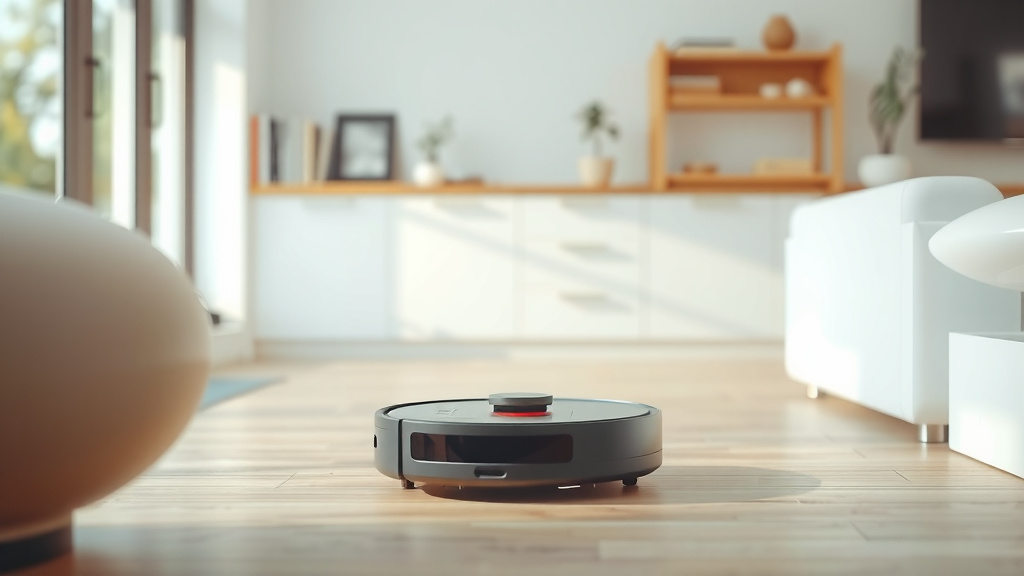
Regardless of how many robots you have, their charging base is crucial. Robot vacuums need to return to their base to recharge. We found that placing the charging station in a central location is best. This allows the robot to access it easily from most of its cleaning area. If you have two robots, you’ll want two well-placed charging stations.
The Hassle Factor of Multiple Robots
While more robots can mean cleaner floors, don’t overlook the potential for added work. Managing two or more robots means more apps to juggle, more maintenance to perform, and more potential points of failure. You’ll need to empty dustbins, clean brushes, and troubleshoot two devices instead of one. For many, the benefits of a second robot might not outweigh this added effort.
| Home Size | Floors | Pet Situation | Cleaning Goals | Recommendation |
|---|---|---|---|---|
| 2,000+ sq ft | Multi-story | Multiple pets | Daily cleanup, allergy control | Strongly consider 2+ |
| 1,000-2,000 sq ft | Single-story | 1-2 pets, minimal shedding | Weekly upkeep | 1 is likely sufficient |
| Under 1,000 sq ft | Single-story | No pets | Occasional touch-ups | 1 is usually plenty |
Your Robot Vacuum Checklist
Ask yourself these questions to help make your decision:
- Is my home over 2,000 square feet?
- Do I have more than two floors that need cleaning?
- Do I have multiple pets generating a lot of hair?
- Am I aiming for a spotless home every single day?
- Do I have separate living areas that are hard to access?
- Am I willing to manage and maintain two devices?
Conclusion
Deciding on the right number of robot vacuums for your home boils down to your unique living situation. For most households, one robot vacuum is perfectly capable of maintaining clean floors. However, if you have a sprawling home over 2,000 square feet, multiple levels, or a busy household with pets, a second unit could significantly improve your cleaning efficiency. Consider your home’s layout, your cleaning goals, and your willingness to manage multiple devices. Take a moment to review your home’s needs against the factors discussed to make your best decision.
Frequently Asked Questions
Can I use one robot vacuum for a very large house?
While one robot vacuum can work for a large house, it might need more time to complete its cleaning cycle and recharge. You may also find it’s not as efficient in homes exceeding 2,000 square feet, especially if it has many rooms or obstacles. Consider if your current robot can cover your entire space on a single charge or if a second unit would be more practical.
How often should I clean the charging station if I have two robot vacuums?
You should clean the charging contacts on both robot vacuums and their bases periodically, much like you would with one unit. This ensures a reliable connection for recharging. We recommend checking them about once a month or anytime you notice the robots aren’t charging properly.
Will two robot vacuums actually clean my home faster?
Yes, two robot vacuums can clean your home faster, especially in larger homes or multi-story houses. Instead of one robot covering a vast area, you can assign each robot to a different floor or zone. This parallel cleaning approach means your entire home can be cleaned in less time than a single unit would require.
What happens if my robot vacuums run into each other?
Most modern robot vacuums are equipped with sensors that prevent collisions. If you have two robots, they are designed to detect each other and navigate around one another. While they might briefly interact, they generally avoid getting stuck together or bumping aggressively.
Is it worth getting a second robot vacuum if I only have one pet?
For many homes with just one pet, a single robot vacuum is often sufficient for managing pet hair. Daily cleanings by one unit can usually keep shedding under control. You might only need a second robot if your pet sheds excessively or if you have a very large home where one robot struggles to cover the entire area effectively.
![7 Best Clear Plastic For Vacuum Forming [2026]](https://bathroomexplorer.com/wp-content/uploads/2026/05/7-best-clear-plastic-for-vacuum-forming-2026-featured-768x432.jpg)
![7 Best Cordless Vacuum For Large House [2026]](https://bathroomexplorer.com/wp-content/uploads/2026/05/7-best-cordless-vacuum-for-large-house-2026-featured-768x432.jpg)
![7 Best Cheap Vacuum For Apartment [2026]](https://bathroomexplorer.com/wp-content/uploads/2026/05/7-best-cheap-vacuum-for-apartment-2026-featured-768x432.jpg)
![7 Best Carpet Vacuum For Pet Urine [2026]](https://bathroomexplorer.com/wp-content/uploads/2026/05/7-best-carpet-vacuum-for-pet-urine-2026-featured-768x432.jpg)