How Many Watts for a Good Vacuum Cleaner: The Right Power
For a good vacuum cleaner, aim for models with 1200 to 1500 watts of power for a solid, everyday clean. This wattage range generally means your vacuum can effectively suck up dirt and debris from various surfaces. More watts often translate to stronger suction, making your cleaning tasks quicker and more efficient.
However, watts aren’t the only number to consider. You’ll also want to look at airflow (CFM) and suction (water lift) for a true picture of performance. Many experts recommend a balance to ensure your vacuum is both powerful and efficient for various cleaning needs. Don’t get too hung up on just the wattage number.
TL;DR:
- 1200-1500 watts is a good target for most vacuums.
- More watts usually mean stronger suction.
- Check CFM and water lift too for total power.
- Wattage isn’t the only factor for a great vacuum.
- Balance power with efficiency for best results.
Let’s break down what those numbers really mean for your home. We’ll help you find a vacuum that truly gets the job done.
Understanding Vacuum Cleaner Wattage for Your Home
So, you’re looking to buy a new vacuum cleaner and are wondering about the “watts” number? It’s a common question! Wattage is a measure of electrical power. Think of it like the engine size in a car. Generally, more watts mean more power. This higher power can translate to stronger suction, which is what you really want for picking up dirt and dust.
For most homes, especially if you have carpets or pets, a good range to aim for is between 1200 and 1500 watts. This sweet spot usually provides enough oomph to tackle everyday messes without being overkill. You’ll find many high-performing vacuums fall within this spectrum.
Wattage: What It Really Tells You (and What It Doesn’t)
It’s easy to get caught up in the wattage number. Higher watts typically suggest a vacuum can pull more air and debris. Imagine a tiny straw versus a wide pipe – the pipe can move more liquid, right? Similarly, a higher wattage vacuum can potentially move more air and, therefore, more dirt.
However, watts are not the whole story. It’s like looking at just the horsepower of a car without considering its weight or transmission. A very high wattage doesn’t always guarantee the best cleaning performance. Other factors play a huge role in how well a vacuum actually sucks things up.
The Importance of Airflow (CFM)
Airflow is measured in Cubic Feet per Minute (CFM). This number tells you how much air the vacuum cleaner can move. Think of it as the volume of air the vacuum can “inhale” every minute. A higher CFM means more air is being pulled through the vacuum and over your floors.
This is super important because dirt and debris get sucked up by the airflow. If a vacuum has a lot of watts but low CFM, it might not be very effective. We found that vacuums with a good balance of both watts and CFM tend to perform better across different surfaces.
Understanding Suction Power (Water Lift)
Water lift, often measured in inches, is another key indicator of suction power. This is a more direct measure of how strongly the vacuum can pull. It’s determined by how high a column of water the vacuum can lift. A higher water lift number means the vacuum has stronger suction force.
Why does this matter? Strong suction is crucial for pulling embedded dirt out of carpets and lifting heavier debris. Many experts suggest looking for a water lift of at least 70 inches for good performance on carpets. For hard floors, it’s still important but maybe not as critical as for plush rugs.
Wattage Ranges and What to Expect
Let’s break down typical wattage ranges and what you might expect from them.
| Wattage Range | Typical Performance | Best For |
|---|---|---|
| Below 800 watts | Light duty, quick cleanups. Might struggle with deeper dirt or pet hair. | Bare floors, small apartments, quick spot cleaning. |
| 800 – 1200 watts | Decent suction for everyday cleaning. Good for most homes with mixed flooring. | General household cleaning, moderate traffic areas. |
| 1200 – 1500 watts | Strong suction, effective on carpets and hard floors. Handles pet hair well. | Most homes, especially those with pets or moderate to heavy foot traffic. This is our recommended sweet spot. |
| Above 1500 watts | Very powerful suction. Can be excellent but may use more electricity and be heavier. | Deep carpet cleaning, homes with very high traffic, specific deep-cleaning needs. |
Why the 1200-1500 Watt Sweet Spot?
Research and industry reviews suggest that vacuums in the 1200 to 1500 watt range offer a great balance. They provide enough power for effective cleaning without consuming excessive electricity. Think of it as getting a really good workout without overexerting yourself.
This wattage range usually correlates with good CFM and water lift numbers. It means the vacuum can effectively pick up dust bunnies, crumbs, and pet hair from both carpeted and hard surfaces. Many leading brands place their top-performing models within this power bracket.
Beyond Watts: Other Crucial Features to Consider
While wattage is a starting point, don’t let it be the only factor. A high-wattage vacuum might still perform poorly if it has poor design or seals. We always recommend looking at a few other things.
Filtration System: Breathe Easier
A good vacuum doesn’t just pick up dirt; it also traps it. Look for vacuums with a HEPA filter or a multi-stage filtration system. HEPA filters are certified to trap 99.97% of particles 0.3 microns in size. This is excellent for people with allergies or asthma, as it prevents dust and allergens from being blown back into your air (Cleveland Clinic).
Type of Vacuum: Your Cleaning Style
The type of vacuum matters, too. Are you looking for an upright, a canister, a stick, or a robot vacuum? Each has its pros and cons. Uprights are great for carpets, while canisters often offer more versatility for different surfaces. Stick vacuums are lightweight for quick jobs, and robot vacuums offer convenience.
Brush Roll and Attachments
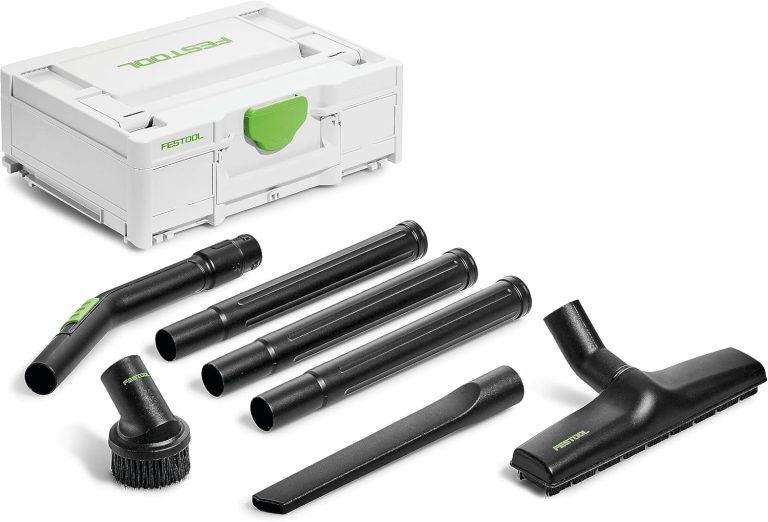
A good brush roll agitates carpet fibers to loosen dirt, making it easier for suction to grab it. Some vacuums have adjustable brush rolls for different floor types. Also, consider the included attachments. Crevice tools, upholstery brushes, and dusting brushes can make cleaning those hard-to-reach spots a breeze.
Making the Right Choice for Your Home
When choosing your next vacuum cleaner, don’t just focus on the watts. Use it as a starting point to understand the potential power. Then, check the CFM and water lift numbers if available. These will give you a clearer picture of its actual performance capabilities.
A vacuum cleaner with 1200-1500 watts is a solid bet for most households. It offers the power needed for effective cleaning across various surfaces. Remember to also consider the filtration system, vacuum type, and helpful attachments. With these factors in mind, you’ll be well on your way to finding a vacuum that makes cleaning a less daunting task.
Quick Checklist for Your Vacuum Search
- Target 1200-1500 watts for most cleaning needs.
- Look for good CFM (airflow) and water lift for strong suction.
- Ensure it has a HEPA or multi-stage filter for air quality.
- Consider the vacuum type (upright, canister, stick) for your home.
- Check for useful attachments like crevice tools and brush heads.
- Read reviews to see how it performs on your specific floor types.
Conclusion
You’ve learned that while wattage is an important starting point for vacuum power, it’s not the only factor. We found that a range of 1200 to 1500 watts offers a great balance for most homes. This range typically means your vacuum has strong enough suction for everyday messes. Remember to also check airflow (CFM) and water lift for a complete picture of performance. Prioritize a good filtration system and the right vacuum type for your needs. Now that you’re informed, take that checklist and start your search for a vacuum that truly meets your cleaning demands!
Frequently Asked Questions
Is higher wattage always better for a vacuum cleaner?
Not necessarily. While higher wattage often means more power, it doesn’t guarantee better cleaning. We found that a balance with good airflow (CFM) and suction (water lift) is more important than just high wattage. A very high wattage vacuum might also use more electricity than needed.
Can I use a lower wattage vacuum for hard floors?
Yes, you can. Vacuums with less than 1200 watts can often clean hard floors effectively, especially for lighter debris. For deep cleaning or if you have significant pet hair on hard floors, a bit more power might be beneficial. Consider the brush roll type for hard surfaces too.
What does CFM mean for my vacuum cleaner’s power?
CFM stands for Cubic Feet per Minute and measures how much air your vacuum can move. Think of it as the volume of dirt the vacuum can “inhale.” A higher CFM means better airflow, which is essential for picking up dust and debris effectively, especially from carpets.
How does water lift relate to vacuum suction power?
Water lift is a direct measurement of how strong your vacuum’s suction is. It tells you how high a column of water the vacuum can lift. A higher water lift number indicates stronger suction, which is crucial for pulling embedded dirt out of carpets and upholstery.
If I have pets, should I prioritize wattage?
For pet owners, it’s wise to look for a vacuum in the 1200-1500 watt range, as we noted. This provides the necessary power to tackle pet hair and dander. However, also ensure the vacuum has good brush agitation and effective filtration to capture allergens.