How Often Should You Change Your HEPA Filter Vacuum
You should change your HEPA filter vacuum filter every 6 to 12 months, depending on your usage and home environment. This ensures your vacuum continues to capture allergens and dust effectively. Neglecting this can lead to reduced suction power and poorer air quality.
A dirty HEPA filter can recirculate fine particles back into your home. This defeats the purpose of using a HEPA filter in the first place. We found that regular filter changes are key to maintaining a cleaner, healthier living space. Many experts agree that this simple step makes a big difference.
- Change HEPA filters every 6-12 months.
- Consult your vacuum’s manual for specific recommendations.
- Consider frequent changes if you have pets or allergies.
- Dirty filters reduce suction and air quality.
Let’s dive into the details and help you figure out the perfect schedule for your vacuum’s HEPA filter.
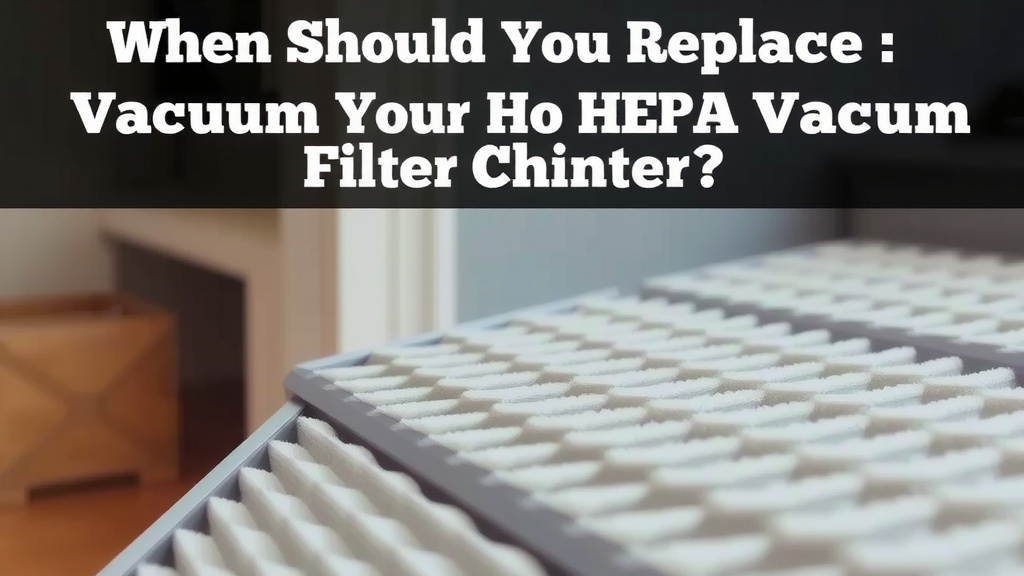
When Should You Replace Your HEPA Vacuum Filter?
Your HEPA vacuum filter is a tiny superhero for your home. It works hard to trap dust, allergens, and other tiny particles. But even superheroes need a break and sometimes a replacement! We found that changing your HEPA filter **every 6 to 12 months** is a good general rule. This helps your vacuum keep working at its best. It ensures it continues to provide **cleaner air** for your family.
Understanding HEPA Filters and Their Lifespan
HEPA stands for High-Efficiency Particulate Air. These filters are designed to trap at least 99.97% of particles that are 0.3 microns in size. That’s incredibly small! Think of pollen, pet dander, and mold spores – your HEPA filter is catching those. Research suggests that over time, these tiny pores can become clogged. This is why regular maintenance is so **important for performance**.
Factors Affecting Filter Longevity
So, why the 6 to 12-month range? Several factors can make your filter need replacing sooner or allow it to last longer. It’s not a one-size-fits-all situation. We found that your **vacuuming habits** play a big role.
Usage Frequency
How often do you actually use your vacuum? If you’re vacuuming daily, especially in high-traffic areas, your filter will get dirty much faster. Think of it like a sponge. The more you use it, the more it absorbs and the sooner it needs a rinse or a replace. A busy household might need changes closer to the 6-month mark.
Home Environment
Are there certain conditions in your home that might stress your filter more? We looked into this. Homes with **pets** tend to require more frequent filter changes. Pet hair and dander are significant contributors to filter clogs. Similarly, if anyone in your household suffers from **allergies or asthma**, a well-functioning HEPA filter is even more critical. Keeping it clean helps them breathe easier.
Types of Debris Cleaned
What are you typically vacuuming up? If you often tackle larger debris or very fine dust (like from construction or crafts), your filter will wear out faster. A simple sweep of a living room floor is less taxing than cleaning up after a messy DIY project. Be mindful of what goes into your vacuum’s “stomach.”
Recognizing a Clogged HEPA Filter
Your vacuum might give you clues that its HEPA filter needs attention. Pay attention to how it’s performing. These are **clear signs** that something needs to be done.
- Reduced Suction Power: Is your vacuum not picking up dirt like it used to? This is a very common symptom.
- Unpleasant Odors: If your vacuum starts to smell musty or stale after use, the filter is likely full of trapped particles and bacteria.
- Visible Dirt on the Filter: Some filters are washable, and you might see a thick layer of dust. Even non-washable ones might show heavy discoloration.
- Overheating: A struggling motor due to a clogged filter can sometimes cause the vacuum to overheat.
The Importance of Regular Filter Replacement
Why go through the trouble of changing it? Because a dirty filter can actually make your air quality worse. We found that a clogged filter can recirculate fine particles back into your home. This defeats the whole purpose of having a HEPA filter! It’s like trying to filter water with a sieve that’s already full of sand.
Maintaining Optimal Vacuum Performance
A clean HEPA filter is essential for your vacuum’s motor. When the filter is clogged, the motor has to work harder. This can shorten the lifespan of your appliance. Regular replacements ensure your vacuum operates efficiently and lasts longer. Think of it as giving your vacuum a breath of fresh air!
Ensuring a Healthier Home Environment
For those with allergies or respiratory issues, a clean HEPA filter is a **game-changer**. It actively removes microscopic irritants from your living space. According to guidelines from health organizations, effective filtration can help reduce allergy symptoms and improve overall indoor air quality (CDC). A well-maintained filter contributes to a cleaner, more comfortable home for everyone.
How to Find the Right Replacement Filter
Selecting the correct filter is key. You don’t want to just grab any filter off the shelf. We found that using the **manufacturer’s recommended filter** is always the safest bet.
Consult Your Vacuum’s Manual
Your vacuum cleaner’s manual is your best friend here. It will tell you the exact filter model number you need. It also provides specific cleaning and replacement instructions tailored to your machine. If you’ve lost your manual, a quick search on the manufacturer’s website using your vacuum model number should provide the information you need.
Understanding Filter Types
Not all filters are created equal. Some are washable and reusable, while others are designed for replacement. Make sure you know which type your vacuum uses. Washable filters still need regular cleaning and eventual replacement, typically after a year or so of use, even with diligent washing. Non-washable filters should **never be washed** and must be replaced when dirty.
| Usage Level | Recommended Replacement Interval | Notes |
|---|---|---|
| Low (Occasional use, clean environment) | 12 Months | Ensure filter is visually clean. |
| Medium (Regular use, average home) | 9 Months | Monitor for signs of clogging. |
| High (Daily use, pets, allergies, dusty environment) | 6 Months | More frequent checks may be needed. |
Simple Steps for a Cleaner Home
Keeping your HEPA filter in top shape is straightforward. It just requires a little bit of attention. Follow these simple steps to ensure your vacuum is always ready to tackle dirt and dust.
- Check your filter regularly (monthly).
- Clean washable filters according to the manual.
- Replace non-washable filters as needed.
- Note your last replacement date.
- Listen to your vacuum – it often tells you when something is wrong.
By paying attention to your HEPA filter, you’re investing in both a cleaner home and a longer-lasting vacuum cleaner. It’s a small step that makes a **big difference** in your day-to-day air quality.
Conclusion
You’ve learned that changing your HEPA filter vacuum filter typically falls between 6 to 12 months. This simple task is vital for maintaining your vacuum’s effectiveness and ensuring cleaner air in your home. Factors like pets, allergies, and how often you clean all play a role in how quickly your filter clogs. By staying attentive to your vacuum’s performance and consulting your manual, you can easily find the right replacement. Don’t forget to mark your calendar for your next filter change to keep your home healthy and your vacuum running smoothly!
Frequently Asked Questions
How often should I check my HEPA vacuum filter?
We recommend checking your HEPA filter visually about once a month. This allows you to catch any obvious signs of heavy dirt or debris buildup. It’s an easy way to stay ahead of clogs and ensure your vacuum is performing at its best.
Can I wash my HEPA vacuum filter?
Some HEPA filters are designed to be washable and reusable. Always check your vacuum’s manual to confirm if your specific filter type can be cleaned. If it is washable, make sure to dry it completely before putting it back to prevent mold or damage.
What happens if I never change my HEPA filter?
If you never change your HEPA filter, it will become clogged with dust and debris. This significantly reduces your vacuum’s suction power and its ability to capture fine particles. In turn, it can recirculate allergens and dust back into your air, making your home’s air quality worse.
Are pet owners more likely to need frequent HEPA filter changes?
Yes, absolutely. Pet hair, dander, and dander can clog filters much faster than typical household dust. If you have pets, especially multiple pets, you’ll likely need to replace your HEPA filter closer to the 6-month mark than the 12-month mark.
Where can I find the correct replacement HEPA filter for my vacuum?
The best place to find the correct replacement filter is your vacuum cleaner’s original manual. If you no longer have it, check the manufacturer’s website. You can usually find the right filter by searching for your specific vacuum model number.