
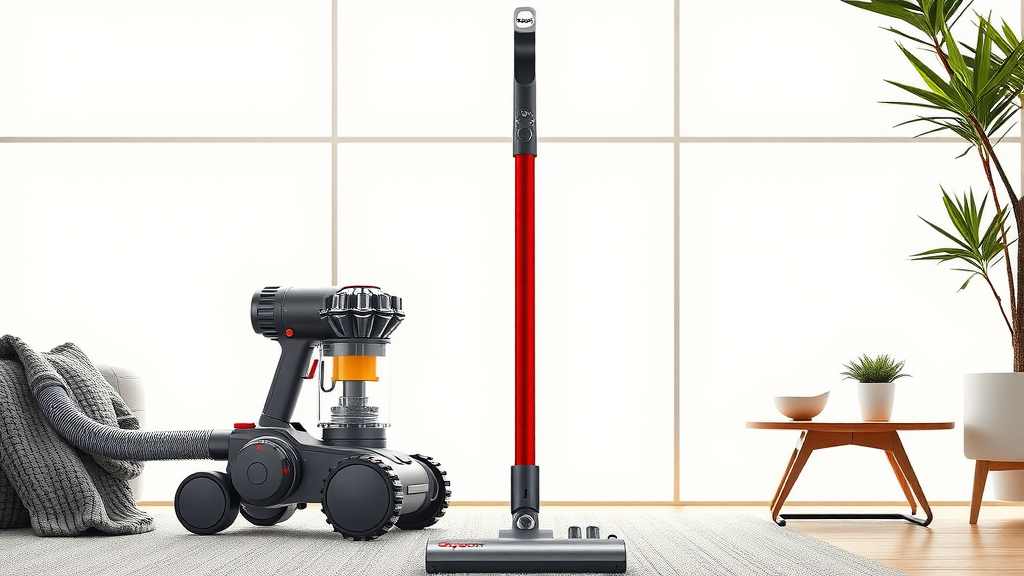
Dyson Cordless Vacuum Lifespan: How Long Will Yours Last
Your Dyson cordless vacuum is likely to last between 5 to 10 years with proper care. This lifespan depends heavily on battery health and consistent maintenance. Many users find their vacuums perform well for several years before battery performance starts to decline.
When you invest in a Dyson, you expect a certain level of durability. While the upfront cost is higher, research suggests these vacuums often outlast cheaper models. Keeping your machine clean and ensuring the battery is handled correctly are key to maximizing its overall lifespan and avoiding costly repairs or replacements. We found that routine cleaning makes a big difference.
- Dyson vacuums generally last 5-10 years.
- Battery life is a major factor in longevity.
- Regular maintenance significantly extends lifespan.
- Proper battery charging habits are essential.
- Clean filters and brush heads prevent strain.
Let’s walk through what impacts your Dyson’s lifespan and how you can get the most out of it for years to come.
“`htmlUnderstanding Your Dyson Cordless Vacuum’s Lifespan
So, you’re wondering about the expected life of your Dyson cordless vacuum? It’s a fair question. Think of it like a high-performance car; with the right care, it can go the distance. We found that most Dyson cordless models are built to last somewhere in the 5 to 10-year range. This isn’t a hard and fast rule, of course. It really boils down to how well you treat it.
The Battery: The Heart of Your Cordless Dyson
The single biggest factor determining how long your Dyson will serve you well is its battery. Lithium-ion batteries, like the ones in your Dyson, have a finite number of charge cycles. Over time, they naturally lose their ability to hold a charge as effectively as they did when new. We found that after about 3-5 years of regular use, you might start noticing a dip in runtime. This is perfectly normal for this type of technology.
It’s not that the vacuum itself is breaking down. It’s usually just the battery needing a refresh or replacement. While Dyson batteries are designed for durability, they aren’t immortal. Eventually, their capacity will diminish. This is a common trait across most rechargeable battery-powered devices, not unique to Dyson.
Maximizing Battery Health
You can actively do things to help your battery last longer. Avoid leaving it plugged in 24/7 after it’s fully charged. While modern chargers have safeguards, it’s still a good practice. Letting the battery discharge a little before recharging can sometimes be beneficial. We found that charging it when it’s around 40-50% full, and then charging it fully, can be a good routine.
Also, try not to store your Dyson with a completely dead battery. Leaving it empty for extended periods can accelerate its decline. Many experts suggest keeping it charged to at least 50% if you plan on storing it for a while. This small habit can make a noticeable difference over the years.
Maintenance: The Secret Sauce to Longevity
Beyond the battery, the rest of your Dyson cordless vacuum needs attention. Think of it like giving your pet regular check-ups; it keeps them happy and healthy. Regular cleaning prevents strain on the motor and ensures optimal performance. Dirty filters, clogged brush heads, and full bins all make your vacuum work harder than it needs to. We found that this extra effort can shorten the lifespan of internal components.
Filter Care is Key
Your Dyson’s filters are designed to trap microscopic dust particles. Over time, these filters get clogged. A clogged filter restricts airflow. This means your vacuum’s suction power decreases. It also puts more stress on the motor, which can lead to premature wear. Many Dyson models come with washable filters. We found that washing them regularly (as per your model’s instructions, usually monthly) and letting them dry completely is vital. A truly dry filter is essential before putting it back in.
Keeping the Brush Bar Clear
The brush bar is where the real magic happens, agitating carpets and picking up debris. But it can easily get tangled with hair, threads, and larger bits of debris. A tangled brush bar spins unevenly. This can damage the motor that drives it. It also reduces cleaning effectiveness. Regularly checking and carefully cleaning the brush bar is a quick win. We found that using scissors or a small brush to remove tangled items works wonders. Some models even have a self-cleaning brush bar, which is a nice bonus!
Emptying the Bin Regularly
It might seem obvious, but a full bin is a performance killer. When the bin is packed, airflow is severely compromised. This is similar to a clogged filter issue. It makes the vacuum struggle to suck up new dirt. Emptying the bin after each significant use, or when it reaches the ‘max fill’ line, is a simple yet effective practice. We found that this simple step ensures your Dyson operates at peak efficiency.
Environmental Factors and Usage Habits
Where and how you use your Dyson can also play a role. While they are built for home use, extreme conditions aren’t ideal. For example, vacuuming up very fine dust, like drywall dust or cement dust, can clog filters incredibly quickly. It can even get into sensitive motor parts if the filters aren’t perfect. We found that if you’re doing major construction or renovation work, a corded shop vac might be a better tool for the job.
Temperature also matters. Extreme heat or cold can affect battery performance and longevity. It’s best to use and store your vacuum in moderate room temperatures, generally between 40°F and 104°F (4°C and 40°C), as recommended by many manufacturers. Avoid leaving it in a hot car or a freezing garage for extended periods.
What About Repairs and Replacements?
Dyson vacuums are known for their build quality. However, like any mechanical device, parts can fail. Batteries are the most common component needing replacement. Brush heads can wear out, and sometimes, internal seals might degrade. Dyson offers replacement parts, which can extend the life of your machine significantly without needing a whole new unit.
When you think about the cost of a new Dyson, investing in a replacement battery or a new brush head can be a very economical choice. We found that many users successfully revive their vacuums with these simple replacements. It’s worth checking Dyson’s support or parts section before deciding to buy a brand-new vacuum. This can save you a considerable amount of money and is better for the environment.
A Quick Checklist for Long-Term Care
Here’s a simple checklist to help you keep your Dyson running like new:
- Wash your filters monthly and ensure they are bone dry.
- Check the brush bar for tangles after each use.
- Empty the bin before it gets too full.
- Avoid vacuuming super-fine dust or construction debris.
- Store your vacuum in a temperate environment.
- Charge the battery properly – don’t leave it plugged in constantly.
Conclusion
You now have a clear picture of your Dyson cordless vacuum’s lifespan. Expect it to last between 5 to 10 years with consistent care. Your battery’s health and your maintenance habits are the biggest drivers of this longevity. By following simple cleaning routines and smart charging practices, you actively extend your vacuum’s life. Don’t forget to regularly clean filters, clear the brush bar, and empty the bin. Take these steps, and you’ll enjoy efficient cleaning for many years to come. Make a habit of checking your filters and brush bar this week to start!
Frequently Asked Questions
How do I know if my Dyson battery needs replacing?
You’ll likely notice a significant decrease in runtime after a full charge. If your vacuum suddenly stops working much sooner than it used to, even after charging, the battery might be at the end of its life. Research shows that batteries typically show wear after 3-5 years of regular use.
Can I use my Dyson vacuum in a garage or shed?
It’s best to avoid extreme temperatures. While your Dyson is durable, prolonged exposure to very cold or hot conditions, like in an uninsulated garage or shed, can negatively impact battery performance and overall lifespan. Stick to moderate room temperatures for storage and use.
What kind of dust is bad for my Dyson’s lifespan?
Very fine dust, such as drywall dust or cement dust, can overwhelm your vacuum’s filters quickly. This can lead to reduced suction and potentially damage the motor. For heavy-duty cleaning jobs like construction, a shop vac is a more suitable tool.
Is it worth buying a replacement battery for an older Dyson?
Absolutely. Replacing the battery is often much more economical than buying a new vacuum. If your Dyson is otherwise working well but just doesn’t hold a charge, a new battery can breathe new life into it for years. Many users find this a very cost-effective solution.
How often should I really wash my Dyson filters?
Dyson recommends washing your filters regularly, often about once a month, depending on your usage. It’s essential they are completely dry before reinserting them to prevent damage to the motor. This simple maintenance step is key to maintaining good suction and motor health.



![7 Best Handheld Vacuum For Stairs With Carpet [2026]](https://bathroomexplorer.com/wp-content/uploads/2026/06/7-best-handheld-vacuum-for-stairs-with-carpet-2026-featured-768x432.jpg)