How Often Should You Change Your Vacuum Bag
You should change your vacuum bag when it’s about two-thirds full. This ensures your vacuum cleaner maintains optimal suction power. A full bag can also overwork your motor and reduce cleaning efficiency. It’s a simple step that makes a big difference!
Ignoring your vacuum bag can lead to a dusty home and a struggling vacuum. When bags get too full, they can easily tear, sending dust and debris back into your air. Many experts say consistently changing it is key to a longer-lasting appliance and a truly clean space. It’s less about a strict schedule and more about observing the bag’s fill level.
- Change your vacuum bag when it’s about 2/3 full.
- This maintains good suction power.
- A full bag can damage your vacuum motor.
- Check it regularly for best results.
Let’s walk through exactly when and why you should be swapping out that bag for a cleaner, more powerful clean.
Knowing When to Replace Your Vacuum Bag
You might be wondering, “How often should I really be changing my vacuum bag?” The answer isn’t a strict calendar date. It’s more about a simple visual check. Most manufacturers and cleaning experts recommend replacing your vacuum bag when it’s about two-thirds full.
Why two-thirds? Think of it like this: when your bag is mostly empty, your vacuum can easily suck up dirt and dust. Air flows freely. As the bag fills up, it starts to get packed. This makes it harder for air to move through. Your vacuum has to work much harder to pull air and dirt in.
The Science Behind Suction Power
This reduced airflow directly impacts your vacuum’s suction power. When the bag is only partially full, the pores in the bag are open. Air passes through easily. As dirt accumulates, it clogs these pores. Less air can get through, meaning less dirt can be picked up. This is why your vacuum might seem to lose its power halfway through cleaning a room.
We’ve all experienced that moment when the vacuum just isn’t picking things up like it used to. Often, the culprit is a bag that’s simply too full. This isn’t just frustrating; it means your floors aren’t getting as clean as they could be.
Protecting Your Vacuum’s Motor
Leaving a bag too full for too long can also put a strain on your vacuum’s motor. When the airflow is restricted, the motor has to work harder to draw air. This can cause it to overheat. Over time, this excessive heat and strain can shorten the lifespan of your vacuum cleaner.
Think of your vacuum motor like your own heart. It needs a steady flow of oxygen (or air, in this case) to function well. If it’s constantly struggling against a blockage, it’s not good for its long-term health.
Signs Your Vacuum Bag Needs Changing
Beyond just checking the fill level, there are other signs that tell you it’s time for a fresh bag.
Reduced Cleaning Performance
The most obvious sign is a noticeable drop in suction power. If you’re vacuuming, and the dirt just seems to be sitting on the carpet instead of getting sucked up, your bag is likely the issue. You might find yourself going over the same spot multiple times.
Unpleasant Odors
As your vacuum bag collects dirt, dust, and debris, it also collects odors. Pet dander, food crumbs, and general grime can start to smell, especially as the bag fills up. If your home starts smelling a bit “vacuumsy” after you clean, it’s a sure sign that the bag is past its prime.
We found that some bags are designed with odor filters, but even these have a limit. A heavily saturated bag will eventually start to release those trapped smells back into the air.
Visible Bag Fill Level
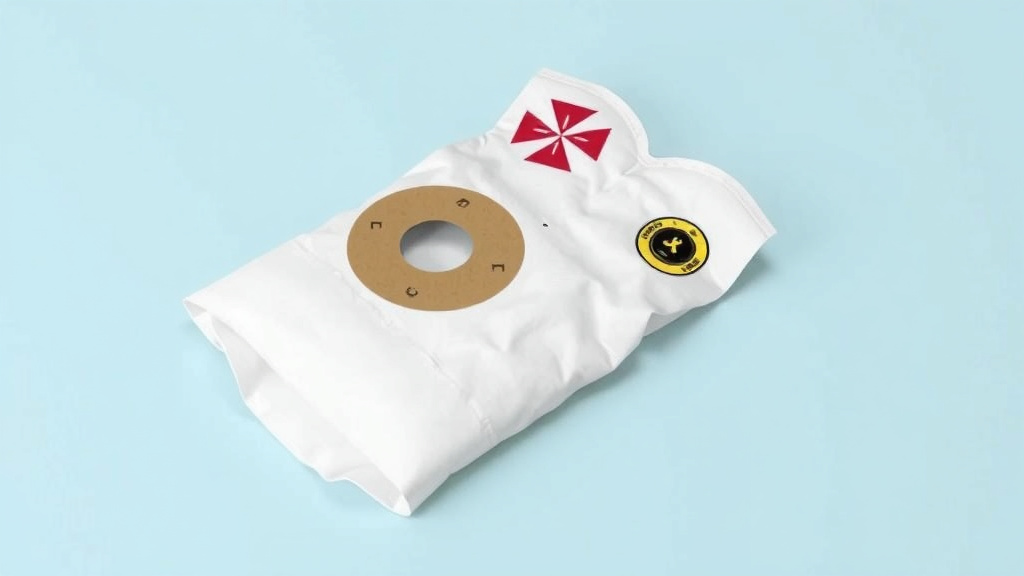
Many vacuum cleaner bags are made of paper or a similar material. You can often see the outline of the dirt inside. If the bag looks bulky and the dirt is reaching the top, it’s time to swap it out. Some vacuums have a clear window or indicator light, but a quick peek is usually sufficient.
Tearing or Leaks
In the worst-case scenario, a bag that is too full can actually tear. When this happens, all the dirt and dust that was inside can spill out into your vacuum cleaner and, unfortunately, back into your home. You might see dust escaping from the vacuum itself or notice a significant mess inside the vacuum cleaner’s compartment.
This is also when your vacuum is at its dirtiest. A torn bag means lost dust and potential damage to the vacuum’s internal components. It’s a situation you want to avoid at all costs!
Factors Affecting How Often You Change Your Bag
While two-thirds full is the general rule, a few factors can change how often you need to perform this simple task.
Household Size and Pets
A household with young children or multiple pets will likely fill vacuum bags faster. Kids can track in more dirt, and pets shed hair and dander constantly. If you have furry friends, you might find yourself changing bags more frequently than someone without pets.
Carpet vs. Hardwood Floors
Carpet traps more dirt, dust, and allergens than hardwood floors. If your home is mostly carpeted, your vacuum bag will fill up quicker. Homes with primarily hard surfaces might require less frequent bag changes.
Type of Vacuum Cleaner
Bagless vacuums don’t have this concern, but for bagged models, the size of the bag matters. Larger bags will, of course, hold more dirt and require less frequent changes.
We also found that the quality of the bag itself can play a role. Higher-quality bags with better filtration can sometimes be more efficient, even if they appear full. However, the two-thirds rule is still a good guideline for most.
A Simple Maintenance Checklist
To keep your vacuum running smoothly and your home cleaner, try incorporating these simple checks into your routine:
- Visual Check: Glance at your vacuum bag every few cleaning sessions.
- Suction Test: Notice if your vacuum’s pickup power seems to be fading.
- Odor Check: If your vacuum smells off, the bag might be the cause.
- Listen Up: An overworked motor can sound different. Pay attention to unusual noises.
- Pet Alert: If you have pets, check the bag more often, perhaps weekly.
- Quick Swap: Don’t wait until it’s overflowing. Change it when it hits that 2/3 mark.
Bagged vs. Bagless: A Quick Comparison
It’s worth noting the difference between bagged and bagless vacuums when discussing bag changes. Bagless vacuums have canisters that you empty directly into the trash. While this eliminates the need to buy replacement bags, you still need to clean the canister and filters regularly.
| Feature | Bagged Vacuum | Bagless Vacuum |
|---|---|---|
| Bag Replacement | Replace when 2/3 full (regular purchase needed) | Empty canister when full (no bag purchase) |
| Air Filtration | Often excellent, traps dust and allergens within the bag | Depends on filter quality; dust can escape during emptying if not careful |
| Maintenance Task | Changing the bag | Emptying canister, cleaning filters |
| Cost | Ongoing cost of replacement bags | Initial vacuum cost, potential filter replacement costs |
For bagged vacuums, the primary maintenance is the bag change. It’s a straightforward process designed to keep your vacuum operating at its best. Many experts agree that a properly maintained bagged vacuum can offer excellent filtration, trapping fine dust particles efficiently.

Conclusion
You’ve learned that changing your vacuum bag is more art than strict science. The golden rule? Aim to replace it when it’s about two-thirds full. This simple habit is key to maintaining powerful suction and preventing your vacuum from overheating. It means cleaner floors and a longer-lasting appliance. Don’t ignore those warning signs like reduced cleaning power or strange odors. Make a quick visual check part of your cleaning routine. Ready for your cleanest home yet? Grab a fresh vacuum bag today!
Frequently Asked Questions
How often should I check my vacuum bag?
We recommend giving your vacuum bag a quick visual check every 2-3 cleaning sessions. If you have pets or a busy household, it’s wise to check it more often, perhaps even weekly. This simple glance helps you catch it before it gets too full.
Can I use a vacuum bag that’s only half full?
While it’s not harmful to change a bag that’s only half full, it’s generally not necessary. The two-thirds full guideline is about optimizing performance. Changing it too early might mean you’re using bags faster than needed, costing you more in the long run.
What happens if I forget to change my vacuum bag?
If you forget, your vacuum’s suction power will decrease significantly, making cleaning less effective. The motor could also overheat from struggling to pull air through a clogged bag. In worst-case scenarios, the bag could tear, releasing dust back into your home and potentially damaging the vacuum.
Are there vacuum bags that don’t need changing as often?
Some bags are designed with higher capacity or better filtration, which might mean you change them slightly less frequently. However, the fundamental principle of not letting them get completely stuffed remains. Always refer to your vacuum’s manual for specific recommendations.
My vacuum doesn’t look full, but the suction is weak. What else could it be?
A weak suction could indeed be a full bag, but other issues can cause it too. Check if the brush roll is tangled with hair or debris. Also, ensure the hose and any other attachments aren’t clogged. Cleaning or replacing the filters is another common fix for lost suction.
![7 Best Dyson Stick Vacuum For Pets [2026]](https://bathroomexplorer.com/wp-content/uploads/2026/05/7-best-dyson-stick-vacuum-for-pets-2026-featured-768x432.jpg)
![7 Best Cordless Shark Vacuum For Hardwood Floors [2026]](https://bathroomexplorer.com/wp-content/uploads/2026/05/7-best-cordless-shark-vacuum-for-hardwood-floors-2026-featured-768x432.jpg)