How Often Should You Change Your Vacuum Filter
You should change your vacuum filter every 3 to 6 months, or sooner if you have pets or allergies. A clean filter helps your vacuum cleaner work better and last longer. Ignoring this simple task can lead to clogged filters and reduced suction power.
Did you know a dirty vacuum filter can actually make your air quality worse? It traps dust and allergens that can then get blown back into your home. We found that keeping your filter clean is a key step in maintaining both a tidy home and a healthier environment. It’s a small habit with a big impact.
- Change filters every 3-6 months.
- Pets or allergies mean more frequent changes.
- Clean filters improve suction power.
- Dirty filters can spread dust and allergens.
- Regular changes extend vacuum life.
Let’s walk through exactly when and how you should be swapping out that filter to keep your vacuum running like a champ.
How Often Should You Really Swap Your Vacuum Filter?
You might be wondering just how often that dusty little filter in your vacuum cleaner needs replacing. We found that a general rule of thumb is to change it every 3 to 6 months. This timeframe can shift based on your household, though. Think of it like changing the oil in your car; it’s essential maintenance for peak performance.
Understanding Your Vacuum’s Filter Needs
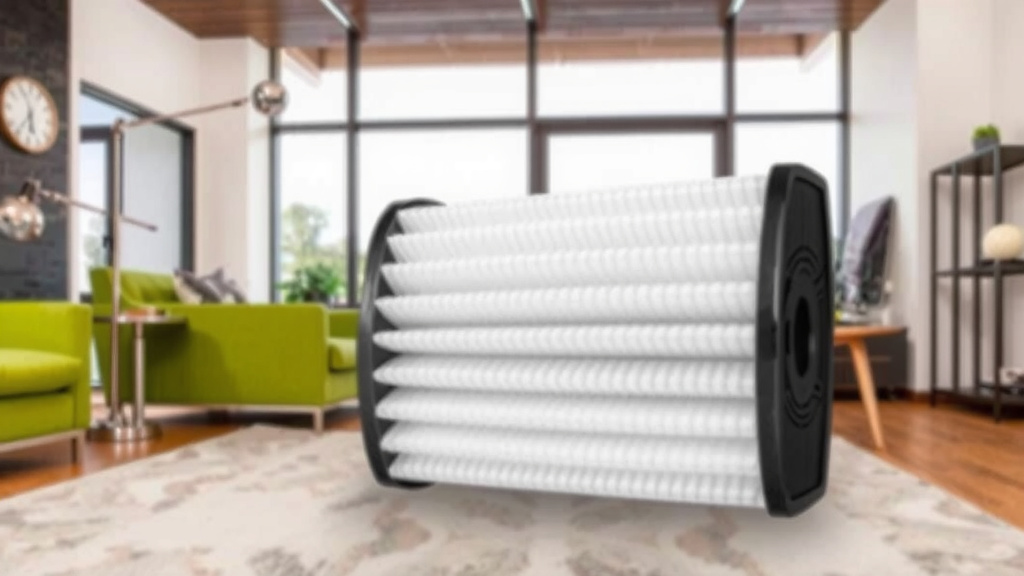
Your vacuum cleaner’s filter is its lungs. It traps all the tiny particles you don’t want floating around your home. When it gets clogged, your vacuum struggles to breathe. This means less suction power and more dust kicked back into your air. Many experts suggest checking your filter visually each month.
The 3-6 Month Sweet Spot
For most households without pets or severe allergies, a filter change every three to six months is a good starting point. This allows the filter to capture a decent amount of debris before it becomes overly saturated. We found that this regular cycle prevents major blockages and keeps your vacuum humming along nicely.
When Life Gets a Little Messier: Pets and Allergies
Do you have furry friends shedding their coats? Or perhaps someone in your home battles with seasonal allergies or asthma? If so, you’ll need to bump up your filter replacement schedule. We found that pet hair and dander can clog filters much faster. For these homes, consider changing your filter every 1 to 3 months. This is especially important for maintaining good indoor air quality, as recommended by health organizations like the CDC.
Signs Your Vacuum Filter is Begging for a Change
Your vacuum cleaner will often tell you when its filter needs attention. You don’t always have to stick strictly to a calendar. Paying attention to how your vacuum is performing can save you a lot of hassle. What are some clear signals?
Reduced Suction Power
This is the most obvious sign. If you notice your vacuum isn’t picking up dirt like it used to, even after emptying the dustbin, your filter is likely the culprit. A clogged filter restricts airflow, which directly impacts suction. It’s like trying to drink through a straw that’s been squashed – very little gets through.
Unpleasant Odors
Does your vacuum start to smell a bit musty or like damp dog after you’ve used it? Trapped dirt, dust mites, and pet odors can accumulate in a dirty filter. When air is forced through this filter, those smells get released back into your home. A fresh filter can make a world of difference.
Visible Dust Around the Exhaust
Some vacuums have a visible exhaust port. If you see dust or fine particles being blown out of this area, your filter has failed. It’s no longer effectively trapping the smallest particles. This can recirculate allergens and fine dust, which is counterproductive to cleaning.
Overheating or Strange Noises
When a filter is severely clogged, your vacuum’s motor has to work much harder to pull air through. This can cause the motor to overheat. You might also hear unusual straining noises. These are critical warning signs that your vacuum is under stress and needs immediate filter maintenance.
Checking Your Vacuum’s Manual: The Ultimate Guide
While we’ve provided general guidelines, your vacuum cleaner’s manufacturer knows it best. We found that the most accurate information for your specific model is always in the owner’s manual. Different vacuum types and brands have unique filter designs and recommendations.
Locating Your Model’s Specifics
Most manuals will clearly state the recommended filter replacement interval. They might also describe how to clean reusable filters. Some may even suggest specific filter part numbers to ensure you purchase the correct replacement. If you’ve lost your physical manual, a quick search online for “[Your Vacuum Brand] [Your Vacuum Model] manual” should bring it right up.
Reusable vs. Disposable Filters: What’s the Difference?
You’ll encounter two main types of vacuum filters: disposable and reusable. Understanding which you have will dictate how you handle filter maintenance. Both need regular attention, but the ‘how’ differs.
Disposable Filters: Simple Replacement
These are designed to be thrown away and replaced. They are often made of paper or synthetic materials. Once they become too dirty to clean effectively, you simply dispose of them and pop in a new one. They are convenient but add to ongoing costs.
Reusable Filters: Wash and Reuse
Often made of foam or a more durable synthetic fabric, these filters can be washed and dried. While they save money in the long run, they require a bit more effort. You must ensure they are completely dry before reinserting them, as moisture can damage your vacuum and lead to mold growth.
A Quick Checklist for Filter Care
To keep your filter in top shape, consider this simple routine:
- Monthly Check: Visually inspect your filter for excessive dirt or debris.
- Listen Up: Pay attention to any changes in your vacuum’s sound or performance.
- Pet Power: If you have pets, aim for filter checks every 2-4 weeks.
- Allergy Alert: For allergy sufferers, more frequent checks are key.
- Manual Mastery: Consult your vacuum’s manual for specific recommendations.
- Schedule It: Set a reminder on your phone or calendar for filter changes.
Conclusion
You’ve learned that changing your vacuum filter regularly is essential. It keeps your vacuum working efficiently and improves your home’s air quality. Remember the 3-6 month guideline, but adjust for pets and allergies to change it every 1-3 months. Watch for signs like low suction or bad smells. Checking your manual ensures you use the right filter. Make filter maintenance a habit for a cleaner home and a longer-lasting vacuum cleaner. Set a reminder today to swap out that filter – your vacuum and your lungs will thank you!
Frequently Asked Questions
How often should I change my vacuum filter if I don’t have pets or allergies?
For households without pets or significant allergy concerns, a good starting point is to change your vacuum filter every 3 to 6 months. This range allows the filter to capture a good amount of household dust and debris before becoming overly saturated.
What should I do if my vacuum has a washable filter?
If you have a washable filter, you’ll need to clean it according to your vacuum’s manual. Typically, this involves rinsing it under water and letting it air dry completely before reinserting. Ensure it’s bone dry to prevent mold or damage to your vacuum.
Can a dirty vacuum filter really make my allergies worse?
Yes, absolutely. A clogged filter can no longer trap allergens effectively. Instead, it can release trapped dust, dander, and pollen back into your air, potentially worsening allergy symptoms. Regular changes are key for allergy sufferers.
What if I can’t find my vacuum’s manual for filter recommendations?
Don’t worry! You can usually find your vacuum’s manual online. Search for your vacuum’s brand and model number on the manufacturer’s website or through a general web search. This will give you the specific filter type and recommended replacement schedule.
Is it okay to rinse and reuse a disposable vacuum filter?
No, disposable filters are designed to be replaced, not cleaned. Attempting to rinse and reuse them won’t effectively restore their filtering capability and may damage the filter material, rendering it useless or even harmful.

![7 Best Deep Cleaning Vacuum For Carpet [2026]](https://bathroomexplorer.com/wp-content/uploads/2026/05/7-best-deep-cleaning-vacuum-for-carpet-2026-featured-768x432.jpg)