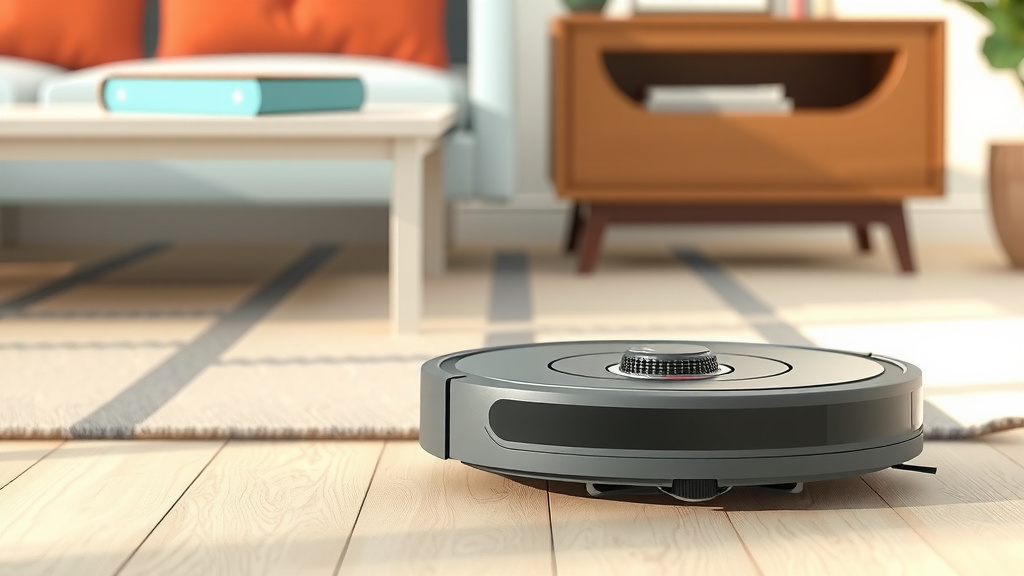
How Often Should You Run Your Robot Vacuum
You’re probably wondering: how often should you run your robot vacuum? The answer is generally **once a day**, or at least **every other day**, especially if you have pets or live in a dusty area. This frequency helps maintain a clean home and prevents excessive dirt buildup, making your life a little easier. Think of it as a consistent cleaning partner.
Running your robot vacuum regularly is key to **effective dust and debris management**. It’s more about a consistent routine than a strict schedule. Different homes have different needs, so your ideal cleaning cadence might vary. We found that **daily runs are often best** for high-traffic areas or homes with allergy sufferers.
- Daily cleaning is ideal for most homes.
- Every other day works for less messy environments.
- Consider **more frequent runs** if you have pets.
- Adjust based on your home’s specific needs.
Let’s break down what factors influence how often your robot vacuum should clean your floors.
How Often Should Your Robot Vacuum Be Running?
Determining the ideal cleaning schedule for your robot vacuum isn’t a one-size-fits-all answer. However, **consistent operation** is the key to maximizing its benefits. We found that for most households, aiming for a run **at least every other day** is a good starting point. But daily cleaning is often superior, especially in busy homes.
Understanding Your Home’s Cleaning Needs
Think of your robot vacuum as a diligent helper. Its effectiveness depends on how often you deploy it. Your home environment plays a huge role. Factors like the number of people and pets, your location, and even the types of flooring all influence the optimal frequency.
Pets and Their Messy Magic
If you share your home with furry friends, you know the drill. Pet hair, dander, and tracked-in dirt can accumulate quickly. For pet owners, running your robot vacuum **daily** is often the most practical solution. This helps manage shedding and keeps allergens at bay. Research suggests that regular vacuuming can significantly reduce airborne allergens in homes with pets (National Institute of Environmental Health Sciences).
Allergies and Air Quality
Do you or someone in your household suffer from allergies or asthma? A robot vacuum can be a game-changer. By **vacuuming daily**, you can continuously remove dust mites, pollen, and other microscopic irritants from your floors. This consistent cleaning contributes to better indoor air quality. Many allergists recommend frequent cleaning to minimize triggers (American College of Allergy, Asthma & Immunology).
High-Traffic vs. Low-Traffic Areas
Consider the foot traffic in your home. Areas like entryways, kitchens, and living rooms see more action. These zones tend to collect dirt and debris faster. If these areas are a priority, **daily runs** are highly recommended. Less-used spaces, like guest rooms or home offices, might be fine with cleaning every two to three days.
Factors Influencing Robot Vacuum Frequency
Your robot vacuum’s cleaning cadence isn’t set in stone. It’s a flexible process. You’ll want to adjust it based on real-world performance and your preferences. Don’t be afraid to experiment and find what works best for your unique living situation.
Flooring Types Matter
The type of flooring in your home impacts how often debris collects. Hardwood floors and tile can show dust and crumbs more readily. Carpets, on the other hand, can hide dirt deeper within the fibers. If you have a lot of carpet, consider running your robot vacuum more frequently to ensure a thorough clean.
Smart Mapping and Zone Cleaning
Many modern robot vacuums come with smart mapping technology. This allows you to designate specific cleaning zones or schedule cleaning for certain rooms. You can use this feature to send your robot to tackle the kitchen after meals or clean the entryway every morning. This targeted approach ensures high-impact areas get attention when needed most.
Maintenance and Longevity
Running your robot vacuum regularly also contributes to its own well-being. Frequent use means you’ll be emptying the dustbin and cleaning the brushes more often. This routine maintenance is essential for keeping your robot running efficiently and prolonging its lifespan. Neglecting these tasks can lead to reduced suction power and potential damage.
Creating a Robot Vacuum Schedule That Works for You
Let’s build a practical plan. It’s about finding a rhythm that suits your lifestyle and keeps your floors looking their best. Think of it as a partnership with your little cleaning machine.
The Daily Duty Club
If your home is a whirlwind of activity, especially with pets or allergy sufferers, daily cleaning is your best bet. Schedule your robot to run while you’re at work, out running errands, or even during your favorite TV show. Many models can be programmed to start automatically. This consistent approach keeps dust bunnies at bay before they can multiply.
The Every-Other-Day Enthusiasts
For homes with less foot traffic, fewer pets, and no significant allergy concerns, cleaning every other day might be perfectly sufficient. You might find that two or three runs per week keep things tidy. Observe your floors for a week. If they still look clean after a day or two, this schedule could work for you. This also helps conserve battery life and reduces wear and tear.
When to Increase Frequency
Life happens! Did you host a party? Is it shedding season for your dog? Did a big storm blow a lot of dust through your windows? These are all times when you might want to boost your robot vacuum’s schedule. Consider running it daily for a few days to get back on track. Smart home integration can even allow you to initiate a clean remotely when you anticipate extra mess.
Tips for Optimizing Robot Vacuum Runs
To get the most out of your robot vacuum, a few simple habits can make a big difference. Proper preparation ensures your robot can do its job effectively.
- Declutter floors: Before a run, pick up small items like toys, charging cords, and shoes. This prevents the robot from getting stuck or damaged.
- Check the dustbin: Empty the dustbin regularly, ideally after each use, or at least daily if running frequently.
- Clean the brushes and filters: Pet hair can easily get tangled around brushes. Check and clean these weekly. Clean or replace filters according to the manufacturer’s recommendations.
- Ensure good lighting: Many robots use optical sensors. Ensure rooms are adequately lit for them to navigate effectively.
- Map your home once: If your robot has mapping capabilities, take the time to let it map your home thoroughly. This will optimize future cleaning paths.
A regular cleaning schedule for your robot vacuum is more than just a convenience; it’s a strategy for a cleaner, healthier home. By considering your specific needs and environment, you can find the sweet spot that keeps your floors consistently tidy without overworking your automated cleaning assistant.

Conclusion
You’ve learned that finding the perfect cleaning schedule for your robot vacuum is all about understanding your home’s unique needs. We found that **daily cleaning** is often best for busy households with pets or allergy sufferers, while **every other day** can work well in quieter environments. Remember to factor in your flooring type and high-traffic areas. The key is **consistency** to keep dust and allergens under control. Start by setting a schedule that makes sense for you, and don’t be afraid to adjust it as you observe your home’s cleanliness. Your robot vacuum is your partner in maintaining a tidy living space!
Frequently Asked Questions
How often should I run my robot vacuum if I don’t have pets?
If your home doesn’t have pets, you likely don’t need daily runs. We found that cleaning **every other day** or even **three times a week** is often sufficient to manage dust and light debris. Observe your floors; if they stay clean for a day or two, you’ve likely found your ideal frequency.
My robot vacuum gets stuck often. Does running it more frequently help?
Running your robot vacuum more often won’t fix it getting stuck. Instead, focus on preparing the area before each run. We recommend **decluttering floors** by picking up small items, cords, and toys. This simple step helps your robot navigate smoothly and clean effectively.
Can I schedule my robot vacuum to run automatically?
Yes, absolutely! Most modern robot vacuums have **scheduling features**. You can program them to start automatically at specific times on certain days. This makes maintaining a consistent cleaning routine much easier and takes the effort out of remembering to run it.
What happens if I don’t run my robot vacuum often enough?
If you don’t run your robot vacuum often enough, you’ll likely notice an **increase in dust and debris** on your floors. Pet hair can accumulate quickly, and allergens like dust mites and pollen may become more prevalent. This can impact your home’s air quality and overall cleanliness.
Is it okay to run my robot vacuum more than once a day?
For most homes, running your robot vacuum more than once a day is usually unnecessary. We found that **daily or every-other-day cleaning** is typically sufficient. However, if you have extremely high traffic or pets that shed profusely, a second daily run in a specific area might be considered, but monitor for excessive wear on the robot.

![7 Best Handheld Vacuum Cleaner For Mattress [2026]](https://bathroomexplorer.com/wp-content/uploads/2026/05/7-best-handheld-vacuum-cleaner-for-mattress-2026-featured-768x432.jpg)