How Often to Vacuum Your Pool for Crystal Clear Water
You need to vacuum your pool about once a week, or even more often if you have a lot of debris. This helps keep your pool crystal clear and prevents algae from taking hold. Think of it as routine maintenance for your backyard oasis. We found that regular vacuuming is the simplest way to manage pool cleanliness.
How often you vacuum can depend on a few things. A heavy tree cover means more leaves and twigs will fall in. Heavy bather loads also stir up more dirt. Many experts say that ignoring this can lead to a cloudy pool and more work later. Keeping up with it saves you time and money in the long run.
- Vacuum at least once a week.
- Increase frequency with more debris or swimmers.
- Regular vacuuming prevents algae growth.
- It keeps your pool looking its best.
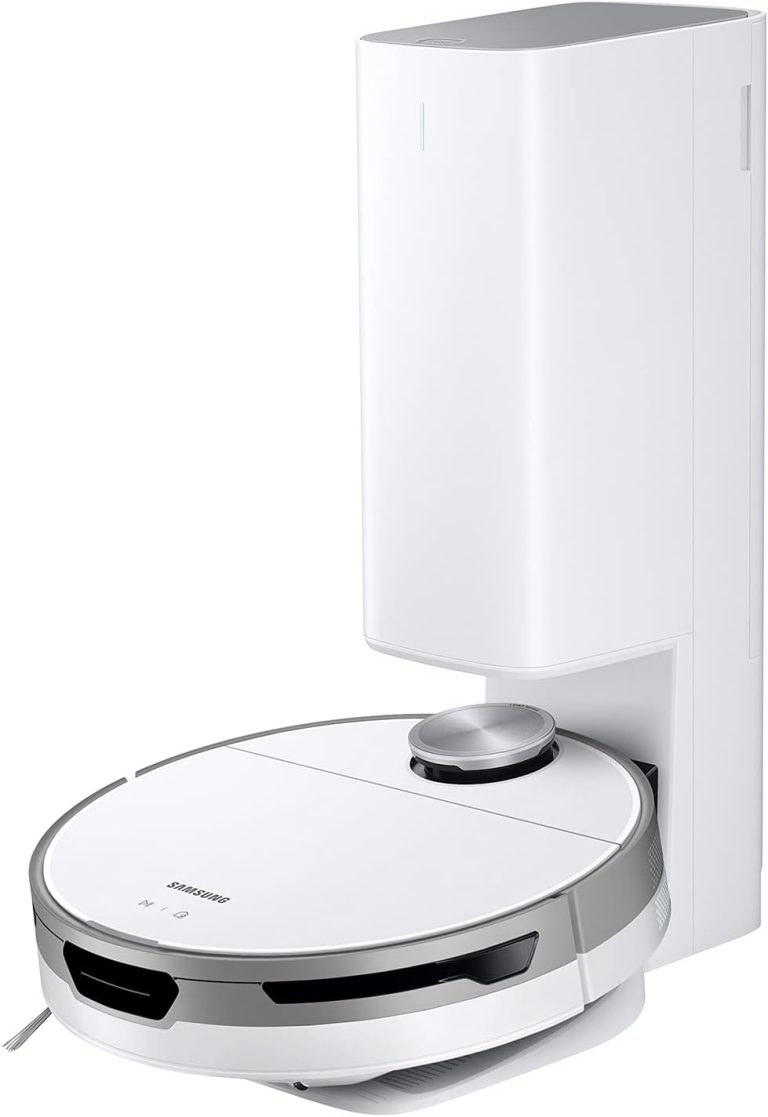
- Consider a robotic cleaner for less effort.
Below, we’ll break down exactly how often you should be vacuuming your pool and why it matters so much for keeping it sparkling.
How Often Should You Vacuum Your Pool?
The general rule of thumb is to vacuum your pool at least once a week. This regular cleaning is your best defense against a murky mess. Think of it as your weekly spa treatment for your pool. Many pool care professionals agree that weekly vacuuming keeps water clear and balanced.
Factors Influencing Your Pool’s Vacuuming Schedule
While once a week is a good starting point, your pool’s specific needs might require more frequent attention. Several factors can increase the amount of debris your pool collects, meaning you’ll need to vacuum more often.
Surrounding Environment: Trees and Wind
If your pool is surrounded by trees, you’re likely to see more leaves, twigs, and flower petals finding their way into the water. Even a gentle breeze can carry a surprising amount of yard debris. We found that pools under heavy tree cover often need vacuuming twice a week or even more during peak shedding seasons.
Bather Load: The More, The Merrier (and Dirtier!)
Every time people swim, they bring more than just themselves into the pool. They track in dirt, grass, sunscreen, and other particles from their bodies and swimsuits. A pool that hosts frequent parties or sees heavy use by family and friends will naturally accumulate more contaminants. Many experts suggest increasing vacuuming frequency by 50% for pools with high bather loads.
Seasonal Debris: Fall and Spring Challenges
Certain times of the year bring unique cleaning challenges. Fall means falling leaves, and spring can bring pollen and blooming flowers. These seasonal events can quickly overwhelm your pool’s filtration system. You might find yourself vacuuming every other day during these periods to keep up. Preparing your pool cover before these seasons can significantly reduce debris.
Pet Presence: Furry Friends and Water
Do you let your dog enjoy a dip in the pool? While fun, pets can shed a considerable amount of fur and dander. This can quickly clog filters and make your water cloudy. If pets swim regularly, plan on vacuuming after each swim session to manage the extra load.
Why Regular Vacuuming is So Important
Vacuuming isn’t just about making your pool look pretty. It plays a vital role in maintaining water quality and preventing costly problems down the line. Skipping this step can lead to a cascade of issues.
Preventing Algae Growth
When debris sits at the bottom of your pool, it acts as a food source for algae. Algae spores are always present, but they need something to latch onto and grow. Regularly removing this debris starves the algae before it can bloom. We found that consistent vacuuming is one of the most effective ways to prevent algae outbreaks (CDC guidelines for recreational water safety). Algae can turn your crystal-clear water a cloudy green and is tough to get rid of once established.
Maintaining Water Clarity and Balance
A clean pool is a healthy pool. Vacuuming removes fine particles that can make your water appear cloudy. When water is clear, your pool chemicals work more effectively. This means your sanitizer (like chlorine) can properly do its job. Cloudy water might require more chemicals to achieve balance, costing you more money and effort.
Protecting Your Pool Surfaces
Heavy debris, especially organic matter like leaves, can stain pool surfaces if left for too long. These stains can be difficult to remove and may even cause permanent damage to plaster or vinyl liners. Regular vacuuming removes these staining agents before they have a chance to settle in.
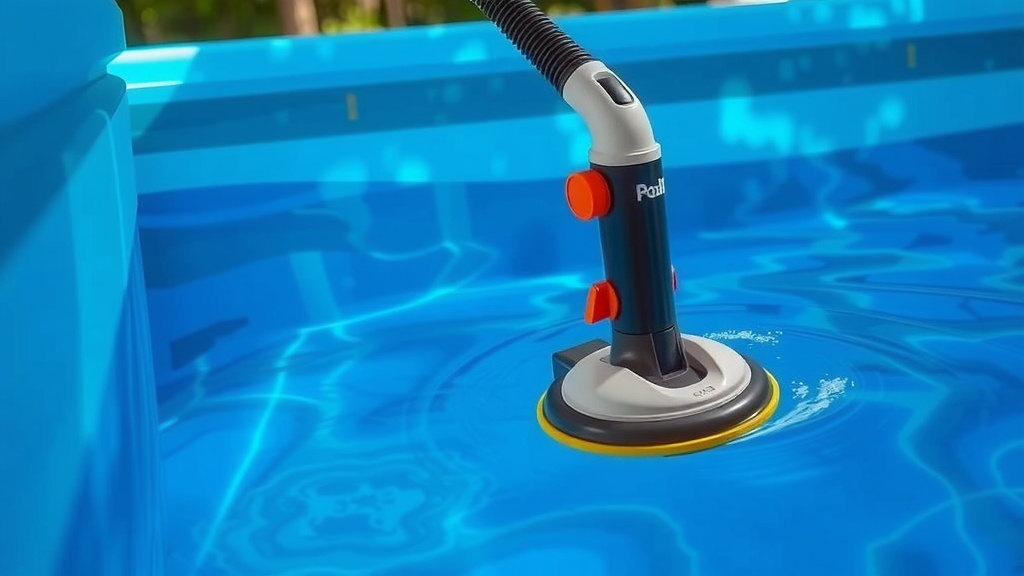
Choosing the Right Vacuuming Method
There are a few ways to tackle pool vacuuming, each with its pros and cons. Your choice might depend on your budget, time, and how much effort you want to put in.
Manual Vacuuming: The Hands-On Approach
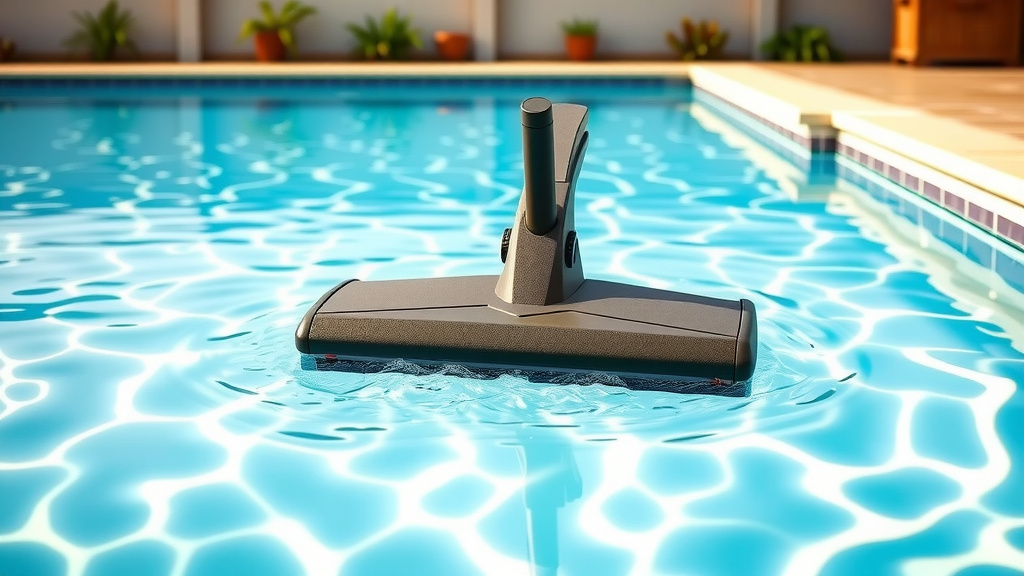
This involves using a vacuum head attached to your skimmer or a dedicated vacuum line. You’ll need to manually move the vacuum head around the pool floor. It’s effective for targeted cleaning but can be time-consuming. Many pool owners find it takes about 30-60 minutes per week.
Automatic Pool Cleaners: Set It and Forget It
Automatic pool cleaners are robotic or suction-side devices that move around your pool on their own. They can be a significant time-saver. Some are designed to clean the floor only, while others can climb walls and clean the waterline. We found that robotic cleaners often offer the most thorough cleaning with the least user intervention.
Robotic Pool Cleaners: The High-Tech Solution
These are generally considered the most efficient and effective type of automatic cleaner. They have their own filters and motors, meaning they don’t rely on your pool’s pump or filter system. This can actually reduce wear and tear on your main pool equipment. While the initial cost is higher, many owners find the convenience and cleaning power well worth it. Many manufacturers recommend running these cleaners 3-5 times a week for optimal results.
Quick Checklist for Your Pool Vacuuming Routine
To keep your pool sparkling, remember these simple points:
- Weekly Check: Inspect your pool floor for debris at least once a week.
- Seasonal Adjustments: Increase vacuuming during fall leaf drops and spring pollen seasons.
- After Heavy Use: Vacuum again if you notice extra dirt after a big pool party.
- Clear Obstacles: Remove large debris like branches before vacuuming.
- Monitor Water Clarity: If water looks cloudy, it’s time to vacuum.
- Consider Automation: Explore robotic cleaners for effortless maintenance.
Conclusion
You’ve learned that keeping your pool sparkling involves a consistent vacuuming routine. The general guideline is at least once a week, but environmental factors like trees and heavy use from swimmers mean you might need to vacuum more often. Regular vacuuming is your best defense against algae and cloudy water, saving you time and money on chemicals. By understanding your pool’s unique needs and choosing the right vacuuming method, you ensure a cleaner, healthier swimming experience all season long. Your next step is to assess your pool’s environment and plan your vacuuming schedule accordingly!
Frequently Asked Questions
How often should I vacuum if I don’t have trees around my pool?
If your pool isn’t near trees, you might be able to stick to the once-a-week vacuuming schedule. However, you should still increase frequency if you notice more dirt from swimmers or pets. Always monitor your pool floor for debris accumulation.
Can I vacuum my pool every day?
Vacuuming every day is usually unnecessary unless you have extreme circumstances, like a major storm or pets that shed heavily after every swim. Most pools do well with weekly vacuuming, supplemented by more frequent sessions as needed. Over-vacuuming can also stir up fine particles.
What’s the best time of day to vacuum my pool?
It’s often best to vacuum your pool in the morning. This allows any fine particles you might stir up to settle before the main swimming time. It also gives your pool chemicals a chance to work on the water throughout the day.
Will a robotic pool cleaner eliminate the need to check for debris?
Robotic pool cleaners are excellent for reducing manual effort and keeping your pool consistently cleaner. While they handle most debris, you should still periodically check the pool floor, especially after strong winds or heavy use. They are a supplement to, not a complete replacement for, all pool care tasks.
How can I tell if I need to vacuum more than once a week?
You’ll know it’s time for more frequent vacuuming if you consistently see a noticeable amount of debris on your pool floor during your regular checks. Cloudy water or the early signs of algae growth are also strong indicators that your vacuuming schedule needs to be increased.