How Often Should You Vacuum Your House For Best Results
You should vacuum your house at least once a week to keep it clean and healthy. High-traffic areas might need more frequent vacuuming, possibly two to three times a week. This regular schedule helps manage dust, allergens, and pet dander effectively.
The frequency of vacuuming really depends on your household’s unique situation. Consider the number of occupants, if you have pets, and if anyone suffers from allergies. Keeping your floors vacuumed helps maintain a cleaner living environment and reduces wear and tear on your carpets.
- Vacuum high-traffic areas (like living rooms and kitchens) at least once a week.
- Consider vacuuming two to three times a week if you have pets or allergies.
- Vacuum bedrooms once a week.
- Empty your vacuum cleaner bag or canister regularly.
Let’s walk through exactly how often you should be vacuuming different parts of your home, and why it matters so much for your health and comfort.
Your Guide to a Sparkling Clean Home: How Often Should You Vacuum?
Understanding how often to vacuum your house is key to maintaining a healthy living space. It’s not a one-size-fits-all answer. Your lifestyle and home environment play a big role. Let’s break down the recommendations to help you find your perfect vacuuming rhythm.
The General Vacuuming Schedule
As a general rule, most experts suggest vacuuming your main living areas at least once a week. This includes places where you spend a lot of time. Think about your living room, family room, and dining room. This regular cleaning helps keep dust bunnies from taking over. It also manages everyday dirt tracked in from outside.
High-Traffic Areas Need Extra Love
Some spots in your home get more action than others. These high-traffic zones will benefit from more frequent attention. Areas like the entryway, hallway, kitchen, and main living spaces often see the most foot traffic. We found that these areas can accumulate dirt and debris much faster. For these busy spots, consider vacuuming them two to three times a week. This helps prevent dirt from getting ground into your carpets and rugs.
Bedrooms and Less-Used Spaces
Bedrooms, while often high on comfort, typically don’t see the same level of foot traffic as main living areas. However, they are prime spots for dust, dead skin cells, and allergens. Many health organizations recommend vacuuming bedrooms at least once a week. This is especially important if anyone in your household suffers from allergies or asthma (CDC). Less-used guest rooms or home offices might get away with vacuuming every other week, but weekly is still a good habit.
Factors Influencing Your Vacuuming Frequency
Your home’s unique situation dictates the best vacuuming schedule for you. Several factors come into play when deciding how often to run that vacuum cleaner.
Do You Have Pets?
If you share your home with furry friends, you know they bring a lot of extra “stuff” with them. Pet hair, dander, and tracked-in dirt can quickly make your floors look and feel less than fresh. Many pet owners find they need to vacuum at least two to three times a week, sometimes even daily in heavily used areas. Regular vacuuming is essential for managing pet dander, which can be a major allergen for sensitive individuals (NIH).
Allergies and Asthma in the Household
For families dealing with allergies or asthma, vacuuming is more than just a cleaning chore; it’s a health necessity. Dust mites, pet dander, pollen, and other airborne irritants can settle into carpets and upholstery. Frequent vacuuming helps remove these triggers. Experts often suggest vacuuming two to three times a week, or even more, if allergies are a concern. Using a vacuum with a HEPA filter can make a big difference in capturing fine particles.
Kids and Busy Households
If your home is often filled with the energetic sounds of children, you likely have more dirt and crumbs to deal with. Spills, dropped snacks, and tracked-in outdoor elements are common. A busy household with kids might find that a weekly vacuum isn’t quite enough. Consider increasing vacuuming to two to three times a week to keep things tidy and hygienic.
Type of Flooring
The type of flooring you have also impacts how often you need to vacuum. Carpets and rugs are notorious for trapping dirt and allergens. Hardwood floors, tile, or laminate are generally easier to clean and may require less frequent vacuuming. However, even hard surfaces benefit from regular sweeping or vacuuming to remove dust and debris that can scratch the finish over time.
| Area of Your Home | Recommended Frequency | Key Considerations |
|---|---|---|
| High-Traffic Living Areas (Living Room, Family Room) | 2-3 times per week | Dirt, spills, pet hair |
| Kitchen & Entryway | 2-3 times per week | Tracked-in dirt, food crumbs |
| Bedrooms | 1 time per week | Dust, skin cells, allergens |
| Hallways | 1-2 times per week | General foot traffic |
| Less-Used Rooms (Guest Room, Office) | 1-2 times per month | Dust accumulation |
Don’t Forget Your Vacuum Cleaner Itself!
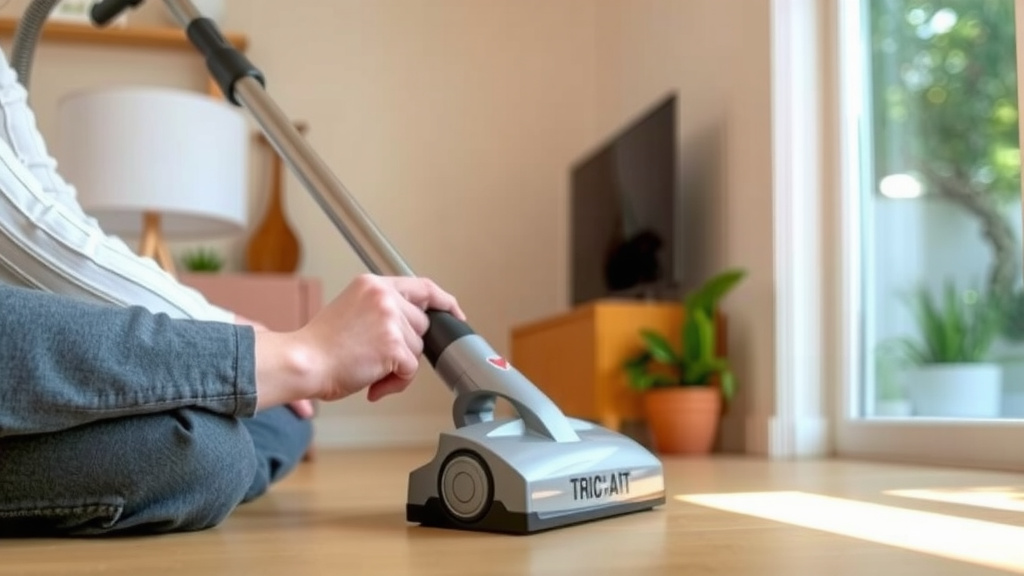
To get the most out of your vacuuming efforts, your machine needs to be in good working order. A dirty or clogged vacuum won’t clean effectively. We found that regularly emptying the dustbin or replacing the bag is essential. Check your vacuum’s filter regularly and clean or replace it as per the manufacturer’s instructions. A well-maintained vacuum cleaner is your best ally in keeping your home clean.
Your Quick Vacuuming Checklist
Here’s a simple checklist to help you stay on track:
- High-traffic areas: Vacuum 2-3 times weekly.
- Bedrooms: Vacuum at least once weekly.
- Kitchen & Entry: Target these areas 2-3 times weekly.
- Pet Owners: Increase frequency, likely 2-3+ times weekly.
- Allergy Sufferers: Aim for 2-3+ times weekly with a HEPA filter.
- Maintenance: Empty the bin and clean filters regularly.
Conclusion
You’ve learned that the ideal vacuuming schedule isn’t a strict rule but a flexible guideline. Key factors like pets, allergies, kids, and high-traffic areas all influence how often you should run your vacuum. By assessing your home’s unique needs, you can establish a routine that keeps your living space clean and healthy. Remember to also maintain your vacuum cleaner itself for maximum effectiveness. Your next step is to look around your home and decide where you might need to increase your vacuuming frequency starting this week!
Frequently Asked Questions
How often should I vacuum if I don’t have pets or allergies?
If your household is free of pets and allergy sufferers, a good starting point is vacuuming main living areas at least once a week. Less-trafficked areas like bedrooms and guest rooms could be vacuumed every other week. However, weekly vacuuming is still a great habit to maintain for general cleanliness.
Does the type of flooring really matter for vacuuming frequency?
Yes, it absolutely does. Carpets and rugs tend to trap more dirt, dust, and allergens, requiring more frequent vacuuming, often two to three times a week for high-traffic spots. Hardwood, tile, or laminate floors are easier to clean and might only need sweeping or vacuuming once a week to remove surface dust.
Is vacuuming my stairs more often necessary?
Stairs are a prime example of a high-traffic area. They experience constant foot traffic and can quickly accumulate dirt and debris. We found that many households benefit from vacuuming their stairs at least once or twice a week to keep them clean and prevent excessive wear.
What’s the best way to vacuum if I have shedding pets?
If you have shedding pets, you’ll likely need to vacuum much more often. Many pet owners find that vacuuming main living areas and spots where pets frequent two to three times a week is necessary. Some even opt for daily quick vacuums in key zones to manage pet hair effectively.
Does it matter if I use a vacuum with a HEPA filter?
Using a vacuum with a HEPA filter is highly recommended, especially if you or someone in your household has allergies or asthma. These filters are designed to trap very fine particles like dust mites and dander more effectively. While it doesn’t change the *frequency* you need to vacuum, it significantly improves the air quality during and after cleaning.
![7 Best Cheap Cordless Vacuum For Pet Hair [2026]](https://bathroomexplorer.com/wp-content/uploads/2026/05/7-best-cheap-cordless-vacuum-for-pet-hair-2026-featured-768x432.jpg)