How Often to Replace Your Dyson Vacuum Filter
You should replace your Dyson vacuum filter every 3 to 12 months, depending on the model and how often you vacuum. Most Dyson vacuums will alert you when it’s time for a clean or replacement. Regularly cleaning or replacing your filter ensures your vacuum works at its best.
A clogged filter can make your Dyson less powerful. It might also start to smell bad. We found that keeping your filters clean is key to maintaining suction and preventing that dusty odor. Many experts agree that a well-maintained filter makes a big difference in your home’s air quality and your vacuum’s lifespan.
- Most Dyson filters need replacing every 3-12 months.
- Check your vacuum’s manual for your specific model.
- Washable filters need rinsing every month.
- Let filters dry completely before reinserting.
- Replace filters when they look damaged or worn.
Let’s dive into the specifics of when and how to swap out your Dyson’s filter to keep it running like new.
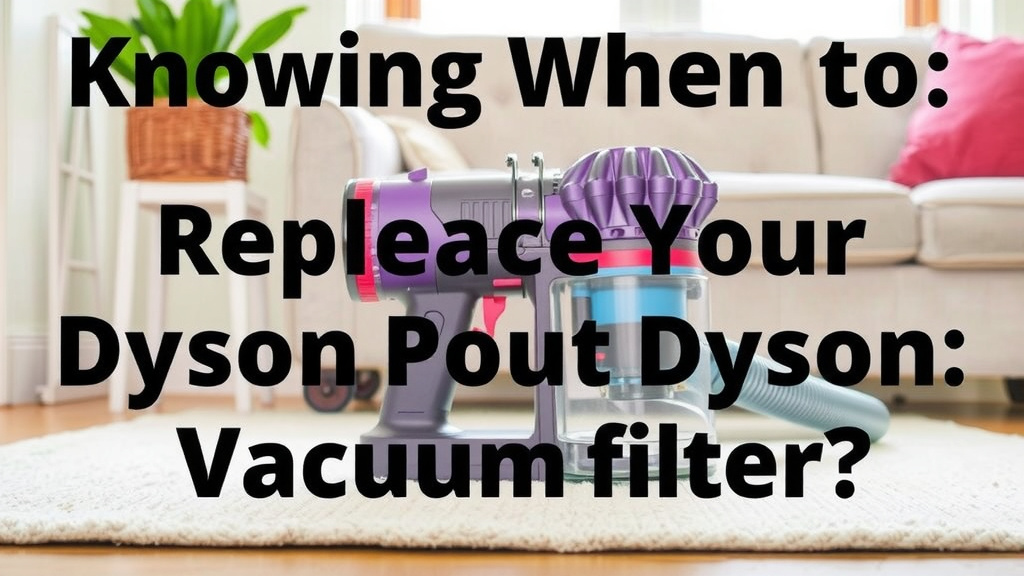
“`htmlKnowing When to Replace Your Dyson Vacuum Filter
Keeping your Dyson vacuum running at its peak performance is easier than you think. A key part of that is knowing when your filter needs a refresh. We found that most Dyson filters should be replaced every 3 to 12 months. This timeframe isn’t set in stone, though. It really depends on a few factors unique to your household.
Understanding Your Dyson Model’s Needs
Different Dyson models have different filtration systems. Some have highly advanced HEPA filters, while others might have simpler pre-motor filters. Your vacuum’s manual is your best friend here. It will clearly state the recommended replacement schedule for your specific model. Think of it as the filter’s personalized care guide!
Older vs. Newer Dyson Models
Older Dyson models might have filters that require more frequent attention. Newer models often boast improved filtration technology. This can sometimes mean a longer lifespan for the filter. Always consult your user manual to be sure. It’s the most reliable source for your particular vacuum.
Filter Types and Their Lifespans
Dyson uses various filter types. Some are washable, and some are not. For washable filters, a monthly rinse is often recommended. Non-washable filters are typically replaced entirely. We found that the type of filter plays a big role in how often you’ll need to swap it out. For example, a washable filter might be rinsed monthly but still need replacement annually, whereas a non-washable one might have a shorter, fixed replacement interval.
Factors Influencing Filter Replacement Frequency
Beyond the model, your lifestyle has a huge impact. How often do you actually use your vacuum? Are there furry friends contributing to household dust? Do you or anyone in your home suffer from allergies?
Vacuuming Frequency
If you vacuum daily, especially in high-traffic areas, your filter will work harder. This means it will clog up faster. On the flip side, if you only vacuum once a week, your filter will likely last longer. We observed that heavy use necessitates more frequent filter checks and potential replacements. It’s like anything you use a lot; it needs more maintenance.
Household Conditions
Homes with pets tend to generate more dander and hair. This extra debris puts more strain on your vacuum’s filter. Similarly, if you have allergies or asthma, you’ll want to keep your filter in top condition. A clogged filter can’t effectively trap allergens. Many experts say that for allergy sufferers, replacing filters more often is a wise choice (Cleveland Clinic).
The “Smell Test” and Suction Power
Your senses can be a great indicator. Has your Dyson lost some of its famous suction power? Does it emit a dusty or musty odor when you vacuum? These are classic signs that your filter is dirty and needs attention. We found that a noticeable drop in suction is often the first thing people notice. That lingering smell is your vacuum telling you it’s struggling.
Washable Filters: Cleaning vs. Replacing
Many modern Dyson vacuums come with washable filters. This is great for saving money and reducing waste! However, “washable” doesn’t mean “eternal.”
Regular Rinsing Schedule
For washable filters, a good rule of thumb is to rinse them about once a month. You just need cool water. No detergents are needed! Gently squeeze out the excess water. Then, let it air dry completely. This usually takes at least 24 hours. Never put a damp filter back into your vacuum. We found that consistent rinsing prevents buildup and extends the filter’s life significantly.
When to Finally Replace a Washable Filter
Even washable filters wear out. After numerous washes, the material can degrade. If your filter starts to look torn, misshapen, or just worn out, it’s time for a replacement. We found that visible damage is a clear sign. Typically, a washable filter might last for several years with proper care before needing a replacement.
Checklist for Filter Maintenance
Here’s a quick guide to help you stay on top of your Dyson filter:
- Check your manual: Know your model’s specific filter needs.
- Rinse monthly: If you have a washable filter, rinse it every month.
- Dry completely: Always let filters air dry 100% before reinserting.
- Inspect regularly: Look for signs of wear and tear.
- Replace when needed: Don’t wait too long if suction drops or smells appear.
- Listen to your vacuum: If it sounds strained or weak, check the filter!
The Importance of a Clean Filter
Ultimately, keeping your Dyson’s filter clean or replacing it on schedule is about more than just performance. It’s about maintaining the air quality in your home. A dirty filter can recirculate dust and allergens. We found that a clean filter ensures your Dyson is not only powerful but also contributes to a healthier living environment. It’s a small step that makes a big difference.
“`
Conclusion
You’ve learned that replacing your Dyson vacuum filter isn’t a one-size-fits-all task. It depends heavily on your Dyson model and your household’s unique needs. Regular cleaning of washable filters and timely replacements for all types are key. We found that paying attention to your vacuum’s performance and looking for visual cues will help you maintain optimal suction and air quality. Don’t wait for your vacuum to smell bad or lose power. Your next step is to check your manual and set a reminder to inspect your filter.
Frequently Asked Questions
How do I know if my Dyson filter is truly dirty?
You’ll likely notice a decrease in your vacuum’s suction power. Many people also report a dusty or musty smell when running the machine. These are strong indicators that your filter needs attention.
Can I wash my Dyson filter too often?
Washing your filter too frequently isn’t usually the problem. The key is ensuring it dries completely before reinsertion. Over-washing might eventually wear out the material, but monthly rinsing is generally recommended for washable types.
What happens if I don’t replace my Dyson filter at all?
Not replacing your filter can lead to significantly reduced suction, potentially damaging your motor over time. It also means your vacuum won’t effectively capture fine dust and allergens, recirculating them back into your home’s air.
Are Dyson aftermarket filters as good as official ones?
While aftermarket filters can be an option, we found that genuine Dyson filters are designed to perfectly fit and function with your specific vacuum model. Using certified filters ensures you get the best performance and filtration.
Should I replace my Dyson filter more often if I have pets?
Yes, if you have pets, it’s a good idea to replace your Dyson filter more frequently. Pet dander and hair can clog filters faster, reducing efficiency. Your manual will offer guidance, but consider checking and cleaning or replacing it sooner than the general recommendation.
![7 Best Food Vacuum Sealer For The Money [2026]](https://bathroomexplorer.com/wp-content/uploads/2026/05/7-best-food-vacuum-sealer-for-the-money-2026-featured-768x432.jpg)