How Often to Replace Your Shark Vacuum Filter
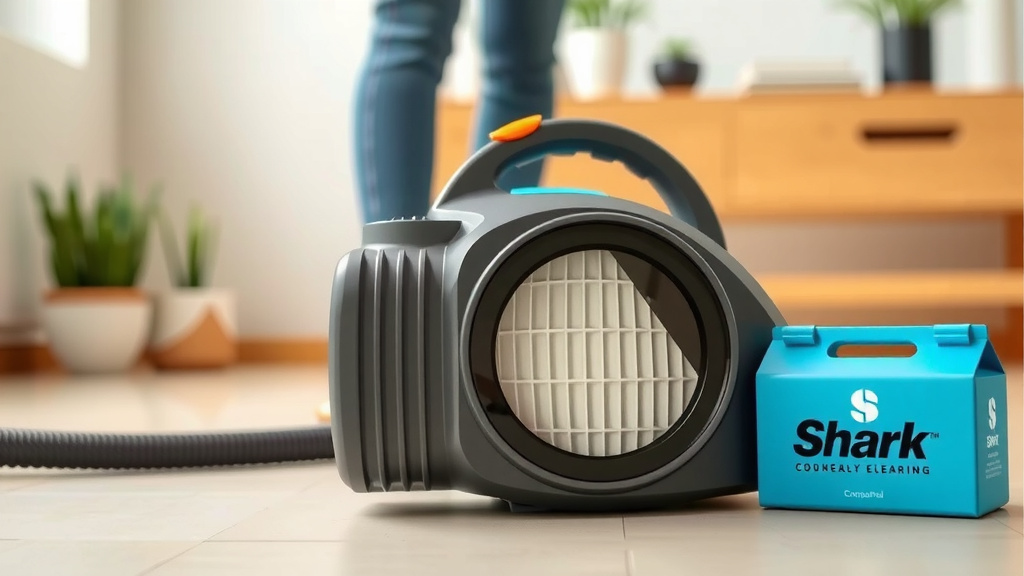
You should replace your Shark vacuum filter every 3-6 months, or sooner if you notice a decrease in suction power. Regular replacement ensures your vacuum runs efficiently and keeps your home cleaner. It’s one of the simplest ways to maintain your Shark vacuum’s peak performance. Think of it like giving your vacuum a fresh breath of air!
Not all filters are created equal, and some models might have slightly different recommendations. We found that sticking to a routine makes a big difference. A clogged filter means your vacuum has to work harder, using more energy and potentially shortening its lifespan. Keeping your filter clean is key to longer-lasting suction and a healthier home environment.
- Filters generally need replacing every 3-6 months.
- Watch for signs like reduced suction or strange odors.
- Some Shark models have washable filters, but others need replacement.
- Regular maintenance protects your vacuum and improves cleaning.
Let’s walk through exactly when and how to replace your Shark vacuum filter to keep it running like a dream.
Keeping Your Shark Vacuum’s Filter Fresh: A Practical Guide
You should replace your Shark vacuum filter every 3 to 6 months. This general guideline ensures your vacuum continues to perform at its best. Think of your filter as the lungs of your vacuum. When they get clogged, breathing becomes difficult, and your machine struggles. Regular replacement is key for optimal cleaning power and a healthier home.
When to Consider Filter Replacement Sooner
While the 3-6 month window is a good starting point, several factors might require you to swap out your filter more often. Paying attention to your vacuum’s performance will tell you a lot.
Signs Your Filter Needs Attention
The most obvious clue is a noticeable drop in suction power. If your Shark vacuum isn’t picking up dirt and debris like it used to, even after emptying the dust cup and checking for blockages, your filter is likely the culprit. Another sign can be unusual smells. A dirty, clogged filter can trap odors from pet hair, dust, and other messes, which then get blown back into your home. Some users report their vacuum overheating more quickly, which can also indicate an overworked filter struggling to let air flow freely.
Your Cleaning Habits Matter
How often do you vacuum? Do you have pets that shed a lot? Are there allergy sufferers in your home? These elements play a big role. If you vacuum high-traffic areas daily, or if you have furry friends leaving a trail of hair, your filter will get dirty faster. For households with allergies or asthma, changing filters more frequently is highly recommended to maintain better indoor air quality.
Understanding Different Shark Filter Types
Shark offers various vacuum models, and they don’t all use the same type of filter. This is an important distinction to make. Some filters are designed to be washed, while others are meant for replacement only.
Washable Foam and Felt Filters
Many Shark vacuums come equipped with foam and felt filters. These are great because you can rinse them under cool water. This can extend their life and save you money. However, even washable filters aren’t immortal. They should still be replaced periodically, typically within the 3-6 month timeframe, especially if they show signs of wear, tearing, or persistent discoloration. Always ensure they are completely dry before putting them back into your vacuum. Damp filters can lead to mold growth and damage your machine.
HEPA or Post-Motor Filters
Some Shark models, particularly those designed for advanced air filtration, include HEPA or post-motor filters. These are usually made of a dense material designed to trap tiny particles. HEPA filters are generally not washable. They need to be replaced according to the manufacturer’s recommendations, usually within the 6-12 month range, but often sooner depending on usage. Replacing these filters is vital for maintaining the vacuum’s ability to capture allergens and fine dust, contributing to a healthier breathing environment.
How to Find the Right Replacement Filter for Your Shark Vacuum
Using the correct filter is essential for your vacuum’s performance and longevity. It ensures a proper seal and the right level of filtration.
Check Your Vacuum’s Manual
The absolute best way to know which filter you need is to consult your Shark vacuum’s owner’s manual. It will specify the exact model number or part number for the filters compatible with your machine. Many manuals also provide detailed cleaning and replacement instructions. If you no longer have your manual, most Shark models have the filter type and model number printed on the vacuum itself, often near the filter compartment.
Identifying Filters Online or in Stores
Once you have the part number or model information, you can easily find replacements on the Shark website, major online retailers, or at authorized vacuum part stores. Be wary of generic filters that don’t explicitly state compatibility with your Shark model. Using an incorrect filter might void your warranty and could lead to reduced performance or damage.
A Simple Filter Replacement Checklist
To make filter maintenance easy, follow this quick checklist:
- Note the date you last replaced or washed your filter.
- Visually inspect your filter monthly for excessive dirt or damage.
- Listen for changes in your vacuum’s sound or suction power.
- Determine if your filter is washable or needs replacement.
- Purchase the correct replacement filter before the old one is completely worn out.
- Allow washable filters to dry completely for at least 24 hours.
The Importance of Regular Filter Maintenance
Neglecting your vacuum filter can lead to a cascade of problems. A clogged filter forces the motor to work harder, consuming more energy and generating excess heat. Over time, this can lead to premature motor wear and tear, potentially shortening the lifespan of your entire vacuum cleaner. Furthermore, a dirty filter can’t effectively trap dust and allergens, meaning your home might not be as clean as you think. Studies on indoor air quality show that fine dust particles can remain suspended in the air long after vacuuming (Environmental Protection Agency). By keeping your filter clean, you’re not just maintaining your vacuum; you’re actively contributing to a healthier living space for you and your family.
| Filter Type | Typical Replacement Interval | Maintenance Note |
|---|---|---|
| Washable Foam/Felt | Every 3-6 Months | Rinse and air dry completely. Replace if worn. |
| HEPA/Post-Motor (Non-Washable) | Every 6-12 Months | Replace only. Do not wash. Crucial for air quality. |
| High-Traffic/Pet Homes | Consider every 2-3 Months | Adjust based on usage and visible dirt. |
Conclusion
Keeping your Shark vacuum’s filter in good shape is a simple yet powerful way to ensure it cleans effectively. Remember, the general rule is to replace your filter every 3-6 months, but always watch for signs like reduced suction or strange odors. Understanding whether your filter is washable or needs replacement, and knowing how to find the right one for your specific model, are key steps. By making filter maintenance a regular habit, you’re not just extending your vacuum’s life; you’re contributing to a cleaner, healthier home environment for you and your family. Your next step? Check your calendar or your vacuum’s filter now and schedule your next replacement!
Frequently Asked Questions
How do I know if my Shark vacuum filter is too dirty to wash?
If your washable filter is heavily stained, torn, or developing a persistent musty smell even after washing, it’s time for a replacement. Visible wear and tear are clear indicators that the filter can no longer effectively trap debris.
Can I use my Shark vacuum without a filter?
No, you should never run your Shark vacuum without a filter. The filter protects the motor from dust and debris. Running it without a filter can cause serious damage to the vacuum’s motor and significantly shorten its lifespan.
What happens if I don’t replace my Shark vacuum filter often enough?
If you don’t replace your filter regularly, you’ll likely notice a significant decrease in suction power. The vacuum motor will have to work harder, leading to increased energy consumption, overheating, and potential long-term damage to the vacuum.
Are Shark vacuum filters expensive to replace?
The cost of replacement filters can vary depending on your Shark vacuum model. Washable filters are generally less expensive over time because they can be cleaned and reused. Genuine replacement filters typically range from $15 to $30, making regular replacement an affordable part of vacuum maintenance.
My Shark vacuum is making a strange noise, could it be the filter?
Yes, a clogged or dirty filter can definitely cause your Shark vacuum to make unusual noises. When airflow is restricted, the motor can strain, leading to whining or straining sounds. It’s a good indicator that your filter needs attention or replacement.