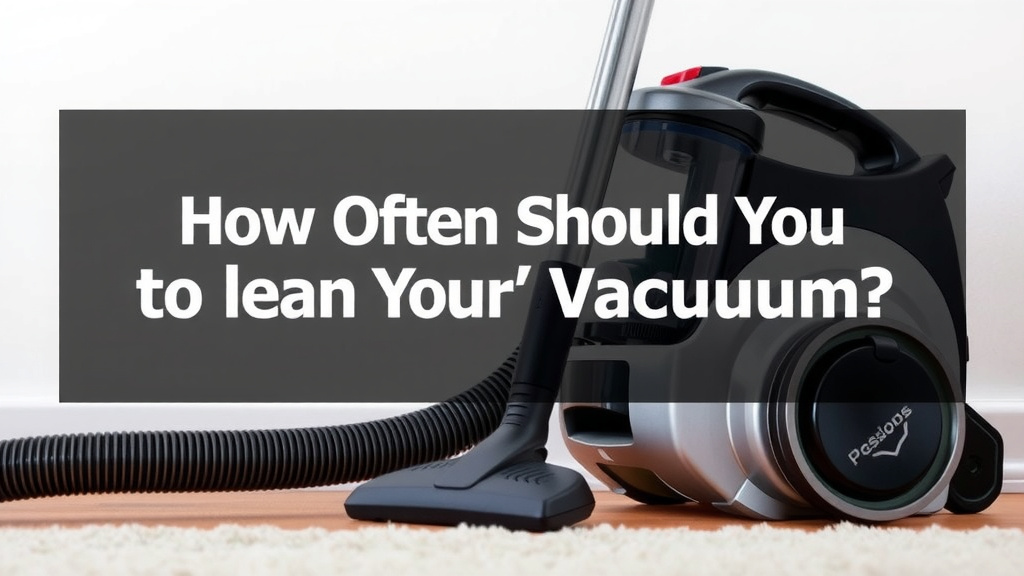
How Often Should You Clean Your Vacuum Cleaner
You should clean your vacuum cleaner’s main parts at least once a month. This includes emptying the dustbin, cleaning the filter, and checking the brush roll. Doing this regularly keeps your vacuum running efficiently and removes allergens from your home. A clean vacuum means cleaner air for you and your family.
Many people forget that vacuums need care too. Neglecting this can lead to a loss of suction and shorter lifespan for your machine. We found that simple maintenance can prevent major problems down the road. Keeping your vacuum in top shape is easier than you think.
- Empty the dustbin or replace the bag often.
- Clean or replace your vacuum’s filter monthly.
- Check the brush roll for tangled hair and debris.
- Wipe down the vacuum’s exterior.
Ready to get your vacuum in tip-top shape? Let’s walk through exactly how often and how to clean each part.
How Often Should You Maintain Your Vacuum Cleaner?
You might be wondering, “Do I really need to clean my vacuum?” The short answer is a resounding yes! Think of your vacuum as your home’s unsung hero. It battles dust bunnies, stray hairs, and all sorts of tiny invaders. Like any hardworking tool, it needs a little TLC to keep performing at its best.
We found that regular cleaning prevents common issues like a loss of suction and can even extend your vacuum’s lifespan. Plus, a clean machine means cleaner air for your home. Let’s break down how often you should tackle each part.
The Dustbin: Your Vacuum’s Dirt Collector
This is the part you’ll interact with most often. Emptying it regularly is key to maintaining good suction.
How Often to Empty
You should aim to empty the dustbin or replace the bag every time you use your vacuum, or at least once a week for most households. If your vacuum has a bag, don’t wait until it’s completely stuffed. A bag that’s too full restricts airflow, just like a clogged filter.
We found that if the dustbin or bag is more than two-thirds full, it’s time for an emptying. Letting it get too full is a sure way to see that powerful suction fade away. It’s a simple step, but incredibly effective for keeping your vacuum happy.
Filters: The Air Purifiers of Your Vacuum
Filters are super important for trapping fine dust and allergens. When they get clogged, your vacuum can’t breathe properly.
Cleaning vs. Replacing Filters
The schedule for filters depends on the type you have. Many vacuums today use washable filters. For these, a good rule of thumb is to wash them at least once a month. Always follow your manufacturer’s specific instructions, of course.
After washing, make sure the filter is completely dry before putting it back in your vacuum. Putting a damp filter back can lead to mold growth, which is exactly what you don’t want. For non-washable filters, you’ll need to replace them entirely. We found that replacement schedules can range from every three months to once a year, depending on the filter and how often you vacuum.
Identifying Your Filter Type
Check your vacuum’s manual to know what kind of filter you have. Some filters are HEPA, which are excellent at trapping tiny particles. These might need more frequent attention or specific cleaning methods.
Signs a Filter Needs Attention
Is your vacuum sounding a bit choked? Or has its suction power decreased noticeably? These are often signs that your filter needs a clean or a replacement. It’s your vacuum’s way of telling you it needs a spa day!
The Brush Roll: The Workhorse of Your Vacuum
The brush roll is what agitates carpets and helps sweep up debris from hard floors. It does a lot of heavy lifting, so it can get tangled.
Checking for Tangles and Debris
We recommend a quick visual inspection of the brush roll weekly. Look for hair, threads, and other gunk that might have wrapped around it. These can prevent the brush from spinning freely, reducing its effectiveness.
Untangling the Brush Roll
If you see tangled hair or string, carefully use scissors or a seam ripper to cut it away. Many vacuums have a special slot or groove to make this easier. Just be careful not to cut the bristles of the brush itself. Some newer models even have self-cleaning brush rolls, which are a real lifesaver!
Hoses and Attachments: Don’t Forget the Extras!
These are often overlooked, but they play a vital role in reaching those tricky spots.
Cleaning Hoses
Check your vacuum’s hose periodically for clogs. If you notice reduced suction, the hose is a common culprit. You can usually dislodge minor blockages by gently poking with a long, thin object or by detaching the hose and shaking it out.
Cleaning Attachments
Wipe down your attachments regularly. Dust and debris can accumulate on them, especially the crevice tool and upholstery brush. A quick wipe with a damp cloth is usually enough. For deeper cleaning, you can remove them and wash them with mild soap and water, just be sure they dry completely.
Exterior Cleaning: Keeping it Tidy
The outside of your vacuum can get dusty too!
Wiping Down the Body
A simple wipe-down with a damp cloth once a month will keep the exterior looking fresh. This prevents dust from accumulating on the machine itself. It’s a small step that makes your vacuum look and feel cleaner.
A Quick Maintenance Checklist
To make it super simple, here’s a quick checklist:
- Weekly: Inspect brush roll for tangled debris.
- Monthly: Empty dustbin or replace bag.
- Monthly: Wash or replace filter(s).
- Monthly: Wipe down vacuum exterior.
- As Needed: Check hoses for clogs.
- As Needed: Clean attachments.
By incorporating these simple tasks into your routine, you ensure your vacuum works efficiently and keeps your home cleaner. It’s about giving this essential appliance the care it deserves!
Conclusion
You’ve learned that keeping your vacuum clean is a simple yet powerful way to improve your home’s air quality and your machine’s performance. Regularly emptying the dustbin, cleaning or replacing filters monthly, and checking the brush roll weekly are key steps. Don’t forget to wipe down the exterior and clean attachments as needed. By following this maintenance schedule, you’ll enjoy a more effective clean and extend your vacuum’s lifespan. Make it a habit to tackle these tasks each month, and your vacuum will thank you with powerful suction for years to come!
Frequently Asked Questions
How often should I clean my vacuum cleaner’s filter?
You should aim to clean or replace your vacuum’s filter at least once a month. If you have a washable filter, ensure it’s completely dry before reinserting it. For non-washable filters, follow your manufacturer’s replacement schedule, which can vary from every three months to annually.
Is it necessary to clean the brush roll every week?
A weekly visual inspection of your vacuum’s brush roll is highly recommended. This quick check allows you to spot and remove tangled hair, threads, or debris that can hinder its performance. Cutting away these tangles will ensure your brush roll agitates carpets and cleans floors effectively.
What happens if I don’t empty my vacuum’s dustbin often enough?
Not emptying your dustbin or replacing your bag regularly will directly lead to a significant loss of suction. A full dustbin restricts airflow, making your vacuum work harder and less efficiently. We found that emptying it when it’s two-thirds full is ideal for maintaining peak performance.
Can a dirty vacuum cleaner make my allergies worse?
Yes, a dirty vacuum can actually worsen allergies. When filters are clogged or the dustbin is full, your vacuum may release fine dust and allergens back into the air. Regular cleaning ensures that your vacuum effectively traps these particles, leading to cleaner air in your home.
How do I know if my vacuum’s hose is clogged?
The most common sign of a clogged vacuum hose is a noticeable decrease in suction power. If your vacuum suddenly feels weak, check the hose next. You can often clear minor clogs by detaching the hose and shaking it out, or gently probing with a long, thin object.

![7 Best Cheap Vacuum Cleaner For Pet Hair [2026]](https://bathroomexplorer.com/wp-content/uploads/2026/05/7-best-cheap-vacuum-cleaner-for-pet-hair-2026-featured-768x432.jpg)