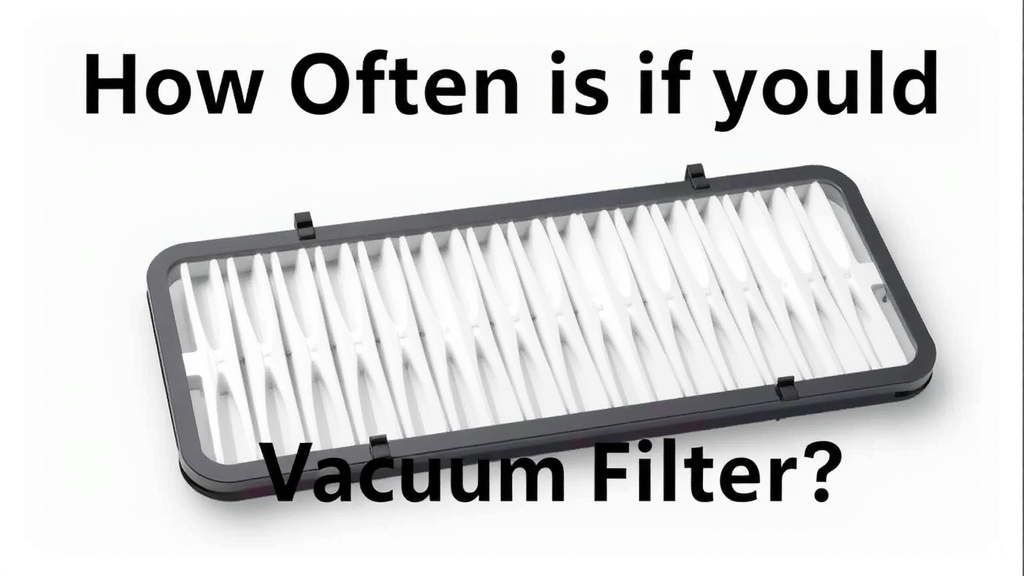
How Often Should You Clean Your Vacuum Filter
You should clean your vacuum filter at least once a month, but often more frequently depending on your household’s needs. Doing so is essential for maintaining your vacuum’s suction power and extending its lifespan. A dirty filter makes your vacuum work harder and less effectively.
Ignoring your vacuum filter can lead to poor cleaning performance and even potential damage to your machine. Many experts recommend checking and cleaning your filter more often if you have pets or allergies. This simple maintenance task keeps your home cleaner and your vacuum running like new.
- Clean your vacuum filter monthly.
- Check it more often if you have pets.
- A clean filter means better suction.
- It also helps your vacuum last longer.
- Neglecting filters can cause problems.
Let’s break down exactly why your vacuum filter needs regular attention and what happens when you don’t give it some TLC.
When Should You Give Your Vacuum Filter a Good Cleaning?
Most vacuum manufacturers and cleaning experts agree: you should aim to clean your vacuum filter at least once a month. Think of your vacuum filter like the lungs of your machine. It breathes in all the dirt, dust, and debris from your home. If those lungs get clogged, your vacuum can’t breathe properly.
This monthly check is a great starting point. However, it’s not a strict rule for everyone. Your specific cleaning habits and home environment play a huge role. We found that for many households, a monthly clean is the minimum. You might need to give it more attention. Let’s look at why this simple task is so important.
Why Regular Filter Cleaning Matters So Much
Your vacuum cleaner’s filter is doing heavy lifting. It traps tiny particles you can’t even see. These particles include dust mites, pet dander, and mold spores. Without a clean filter, these get recirculated back into your air. This is bad news for allergy sufferers. It’s also bad for your home’s overall air quality. The U.S. Environmental Protection Agency (EPA) points out that indoor air can be 2 to 5 times more polluted than outdoor air.
Maintaining Suction Power
Have you noticed your vacuum just isn’t picking up dirt like it used to? A clogged filter is often the culprit. When the filter is full of gunk, it restricts airflow. Less airflow means less suction power. Your vacuum has to work much harder to pull in air and debris. This leads to frustrating cleaning sessions where you feel like you’re just pushing dirt around.
Protecting Your Vacuum’s Lifespan
When your vacuum’s motor struggles due to a blocked filter, it overheats. This constant strain can shorten the life of your appliance. Regular filter cleaning prevents this unnecessary wear and tear. It helps your vacuum run efficiently for longer. Think of it as preventative maintenance for your home’s cleaning workhorse. Many repair technicians report that motor burnouts are often linked to neglected filters.
Improving Air Quality
This is a big one, especially if you have asthma or allergies. A dirty filter can’t effectively trap fine particles. These allergens can then be blown back into your room. A clean filter ensures that your vacuum is actually removing dust and allergens, not just redistributing them. We found that people with pets often notice a big difference in air quality after establishing a filter cleaning routine.
Factors That Influence Cleaning Frequency
So, while monthly is a good general guideline, what else should you consider? A few key things can mean you need to clean your filter more often than once a month. Don’t just set it and forget it; be mindful of your machine’s needs.
Do You Have Pets?
If you have furry friends, you likely know all about pet hair and dander. Pets shed constantly. Their dander, tiny skin flakes, is a common allergen. These can clog your vacuum filter very quickly. Many pet owners find they need to check and clean their filters every two to three weeks. We found that a quick visual check can tell you if it’s time for a clean.
Are Allergies or Asthma a Concern?
For households dealing with allergies or asthma, a clean filter is non-negotiable. You want your vacuum to be a tool that helps improve your indoor air, not worsen it. If you or someone in your home suffers from respiratory issues, consider checking and cleaning your filter every two weeks. This helps ensure you’re removing allergens effectively.
How Often Do You Vacuum?
This might seem obvious, but it’s worth stating. If you vacuum your whole house daily, your filter will get dirty faster. Someone who vacuums only once a week will have a different cleaning schedule. If you’re a frequent cleaner, inspect your filter weekly. This helps you stay ahead of the buildup. The amount of foot traffic in your home also plays a role.
What Are You Vacuuming?
Are you just cleaning up everyday dust? Or are you tackling bigger messes like spilled flour, construction dust, or pet accident cleanup? Fine dust, like drywall dust, can clog filters very quickly. If you’ve recently done a big cleanup, you might need to clean your filter immediately afterward. A thorough deep clean means your filter needs attention soon after.
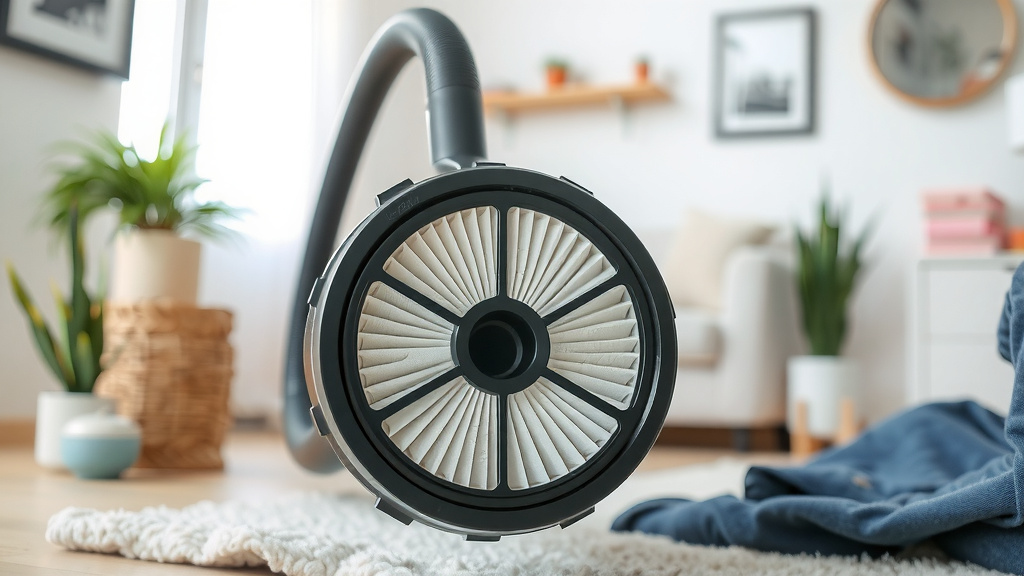
How to Know When Your Filter Needs Cleaning
Your vacuum will often give you signs. You just need to know what to look for. Don’t wait until your vacuum completely stops working. Be observant!
- Reduced Suction: This is the most common indicator. If your vacuum isn’t picking up debris effectively, check the filter.
- Visible Dirt Buildup: Take out the filter. If it looks gray, brown, or caked with dust, it’s time for a clean. You shouldn’t be able to see the filter material easily.
- Unusual Noises: Sometimes, a struggling motor due to a clogged filter can cause strange sounds.
- Vacuum Overheating: If your vacuum feels unusually hot, turn it off and let it cool. Check the filter and the hose for blockages.
A Quick Filter Cleaning Checklist
Ready to give your filter some attention? Here’s a simple plan:
- Always unplug your vacuum first.
- Locate your vacuum’s filter(s). Check your manual if needed.
- Gently tap the filter over a trash can to remove loose dust.
- If washable, rinse it under cool water until the water runs clear.
- Let the filter air dry completely before reinserting it.
- Ensure the filter is fully dry to prevent mold growth.
Most manufacturers offer guidance on whether their filters are washable or replaceable. Always follow your specific vacuum’s instructions. A little regular attention will go a long way toward keeping your vacuum running smoothly and your home cleaner.
Conclusion
You’ve learned that cleaning your vacuum filter isn’t just a chore; it’s vital maintenance. A clean filter ensures strong suction and keeps your vacuum running smoothly for years. For most homes, a monthly clean is a great start. But if pets, allergies, or frequent vacuuming are part of your life, you’ll want to check and clean it more often. Pay attention to your vacuum’s performance. When suction drops or it overheats, your filter likely needs attention. Make checking your filter a regular habit. Your home and your vacuum will thank you.
Frequently Asked Questions
Can I just replace my vacuum filter instead of cleaning it?
Yes, many vacuums use disposable filters that are meant to be replaced rather than cleaned. Always check your vacuum’s manual to see if your filter is washable or needs to be replaced. Replacing filters at the recommended intervals, usually every 6-12 months, can also maintain optimal performance.
What happens if I never clean my vacuum filter?
If you never clean your vacuum filter, you’ll likely notice a significant drop in suction power. Your vacuum motor can also overheat from working too hard, leading to premature wear and potential damage. This can also recirculate dust and allergens back into your air, worsening indoor air quality.
How do I know if my vacuum filter is ruined and needs replacing?
If your filter is torn, has holes, or is permanently discolored and cannot be cleaned to a near-white state, it’s time for a replacement. A filter that smells musty even after cleaning might also be beyond its usable life. Always refer to your vacuum’s manual for specific filter care instructions.
Is it okay to use my vacuum when the filter is still a little damp?
No, it is never recommended to use your vacuum with a damp filter. Moisture can damage the motor and encourage mold or mildew growth within your vacuum cleaner. Always ensure your filter is completely dry to the touch before reinserting it.
Does vacuuming up fine dust particles like drywall dust require immediate filter cleaning?
Yes, fine dust particles such as drywall dust can clog filters very rapidly. If you’ve recently undertaken a project that generated a lot of fine dust, it’s a good idea to inspect and clean your vacuum filter immediately afterward. This prevents the dust from permanently embedding and damaging the filter material.
![7 Best Detailing Vacuum For Car [2026]](https://bathroomexplorer.com/wp-content/uploads/2026/05/7-best-detailing-vacuum-for-car-2026-featured-768x432.jpg)