How Often to Vacuum After Flea Treatment for Best Results
After you’ve treated your home for fleas, you should vacuum daily for at least two weeks. This helps to remove dead fleas, eggs, and larvae. It’s a critical step in breaking the flea life cycle and preventing re-infestation. Don’t skip this part!
Vacuuming frequently after treatment is key to getting rid of fleas for good. It removes all stages of the flea life cycle that might still be around. Many pet owners find that being diligent with vacuuming makes a huge difference in the success of their flea treatment plan.
- Vacuum daily for two weeks after treatment.
- Focus on carpets, rugs, and pet bedding.
- Empty the vacuum bag or canister outside immediately.
- Consider using a flea spray or fogger for severe infestations.
- Consult your veterinarian for professional advice.
Ready to tackle those pesky fleas? Let’s dive into exactly why this frequent vacuuming schedule is so important and how to do it most effectively.
Your Vacuuming Strategy After Flea Treatment
You’ve treated your home for fleas, and now you’re wondering about vacuuming. How often should you vacuum after flea treatment to really get rid of them? We found that a consistent vacuuming schedule is key to success.
This isn’t just busywork; it’s a strategic move. It targets fleas in all their life stages. Think of it as a clean-up crew working overtime. Many veterinarians and pest control experts agree this is a critical step.
Why Daily Vacuuming is So Important
Fleas have a life cycle, and your treatment targets adult fleas. But what about the eggs, larvae, and pupae? They can remain hidden in carpets, furniture, and cracks. Your vacuum cleaner is your best weapon against these remaining stages. It physically removes them from your home.
Research shows that flea eggs and larvae can be easily disturbed and spread. Vacuuming helps to suck them up before they can hatch or mature. This disrupts the flea population before it can bounce back. It’s about being proactive and thorough.
Breaking the Flea Life Cycle
A flea goes through four stages: egg, larva, pupa, and adult. Most at-home treatments kill adult fleas. However, eggs and larvae might not be affected directly by sprays or powders. Pupae are also quite resistant. Your vacuum cleaner is effective at removing eggs and larvae.
It also helps to remove flea dirt, which is flea feces. This dirt contains undigested blood and can irritate your pets. Removing it helps your pet feel more comfortable. Vacuuming also picks up dead fleas from the treatment. You want them gone!
Targeting Hidden Fleas
Fleas love to hide. They seek out dark, quiet places. This includes deep within carpet fibers, under furniture, and in pet bedding. Your vacuum’s suction can reach these areas. It can dislodge and remove fleas and their immature stages that are hiding away.
Consider how small flea eggs are. They can easily get trapped in carpet loops. Larvae are also tiny and tend to burrow. Pupae can be found in crevices. A vacuum cleaner with good suction can agitate these areas and pull out even the smallest invaders.
Your Two-Week Vacuuming Game Plan
So, how often should you vacuum after flea treatment? The general recommendation is daily for at least two weeks. This consistent effort is crucial. Why two weeks? It gives time for any newly hatched fleas to be caught.
This period allows the flea treatment to fully work on any remaining adults. It also gives you time to vacuum up all the emerging eggs and larvae. It’s a targeted approach to ensure no flea makes it to adulthood.
Where to Focus Your Vacuuming Efforts
Don’t just vacuum the high-traffic areas. You need to be thorough. Pay special attention to:
- Carpets and rugs: These are prime flea hiding spots. Vacuum in multiple directions.
- Upholstered furniture: Your sofa and chairs are likely flea hotels. Use attachments.
- Pet bedding: Wash and vacuum pet beds frequently. This is a major hotspot.
- Hardwood and tile floors: Especially along baseboards and in corners.
- Cracks and crevices: Fleas love to hide in the small spaces.
Making the Most of Each Vacuuming Session
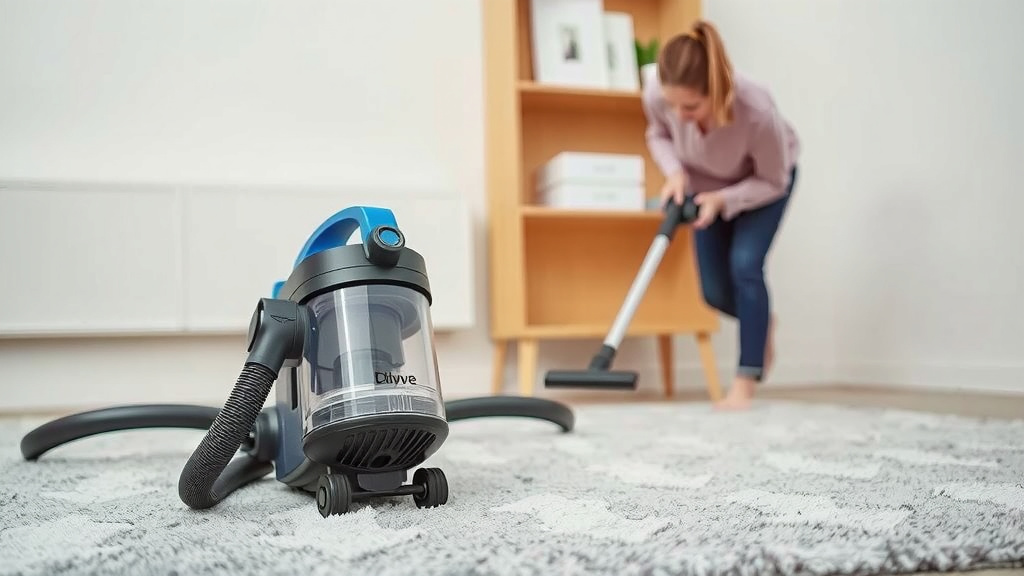
Vacuum slowly to allow the suction to work effectively. Move your vacuum cleaner in overlapping passes. This ensures you cover every inch. Don’t forget to use the crevice tool and brush attachments. They help you get into tight spots where fleas love to hide.
Think of it like cleaning your house thoroughly before guests arrive. You want everything spotless, right? This is like cleaning for your pest control guests to leave! You want to capture everything.
What to Do with Your Vacuum Bag or Canister
This step is often overlooked, but it’s incredibly important. After each vacuuming session, you must dispose of the contents properly. Take the vacuum bag or canister outside your home immediately. Seal the bag tightly and place it in an outdoor trash bin.
Why? Because the vacuum bag can contain live fleas, eggs, and larvae. If you leave it inside, they could escape and re-infest your home. This is like bringing the problem right back in! Always seal and discard outside.
When to Consider Professional Help or Other Methods
While daily vacuuming is essential, severe infestations might need extra help. If you’re still seeing fleas after a couple of weeks of consistent vacuuming and treatment, it might be time to call in the experts. Professional pest control services have stronger treatments and can identify hidden nests.
You might also consider using flea bombs or foggers for very stubborn infestations. However, always follow the product instructions carefully. Ensure you and your pets are out of the house during treatment and airing it out properly afterward. Consulting your veterinarian is also a good idea. They can offer advice tailored to your pet and home.
Your Post-Treatment Vacuuming Checklist
To make sure you’re on track, here’s a quick checklist. Did you:
- Vacuum daily for at least two weeks?
- Focus on carpets, furniture, and pet areas?
- Use vacuum attachments for tight spots?
- Dispose of the vacuum bag/canister outside immediately?
- Repeat vacuuming if you see more fleas?
Staying on top of your vacuuming is the most active role you can play in conquering fleas.
Conclusion
You’ve put in the work to treat your home for fleas, and now you know that consistent vacuuming is your secret weapon. Remember, daily vacuuming for at least two weeks is the best way to break the flea life cycle. This persistent cleaning removes eggs, larvae, and dead fleas, preventing them from becoming a problem again. Be thorough, focus on hidden areas, and always dispose of your vacuum’s contents outside. Keep up this routine, and you’ll be well on your way to a flea-free home and happy pets. Your next step? Stick to that vacuuming schedule with confidence!
Frequently Asked Questions
How long does the vacuuming need to continue after the initial two weeks?
If you are still seeing signs of fleas or if you have a severe infestation, it’s wise to continue vacuuming daily for another week or two. Some flea eggs can be very resilient, and extending your vacuuming efforts ensures you catch any stragglers. Keep an eye on your pets and your home for any signs of flea activity.
What if my vacuum doesn’t have a bag, but a canister?
If you use a bagless vacuum, you still need to empty the canister outside immediately after each session. Carefully remove the canister, take it directly to your outdoor trash bin, and empty its contents. It’s a good idea to wipe down the canister afterward to ensure no flea eggs or larvae are left behind.
Should I vacuum more often if I have multiple pets?
Yes, if you have multiple pets, you may need to be even more diligent with your vacuuming. Pets can track fleas throughout the house, and multiple pets mean more potential hosts and more areas for fleas to hide and lay eggs. Consider increasing your vacuuming frequency or focusing extra attention on areas where your pets spend the most time.
Can vacuuming alone get rid of fleas?
While frequent vacuuming is an essential part of flea control, it’s generally not enough on its own, especially for moderate to severe infestations. Vacuuming effectively removes eggs, larvae, and adult fleas, but it works best when combined with other flea treatments like sprays, powders, or professional pest control services. Think of vacuuming as a critical support to your primary treatment plan.
What attachments are best for vacuuming after flea treatment?
Using the right attachments can make a big difference. The crevice tool is excellent for getting into tight spots like along baseboards, under furniture edges, and in between couch cushions. A brush attachment can help agitate carpet fibers to dislodge hidden eggs and larvae, making them easier for your vacuum to suck up.
![7 Best Handheld Vacuum For Boat [2026]](https://bathroomexplorer.com/wp-content/uploads/2026/05/7-best-handheld-vacuum-for-boat-2026-featured-768x432.jpg)