How Often to Vacuum Under Your Bed for a Cleaner Home
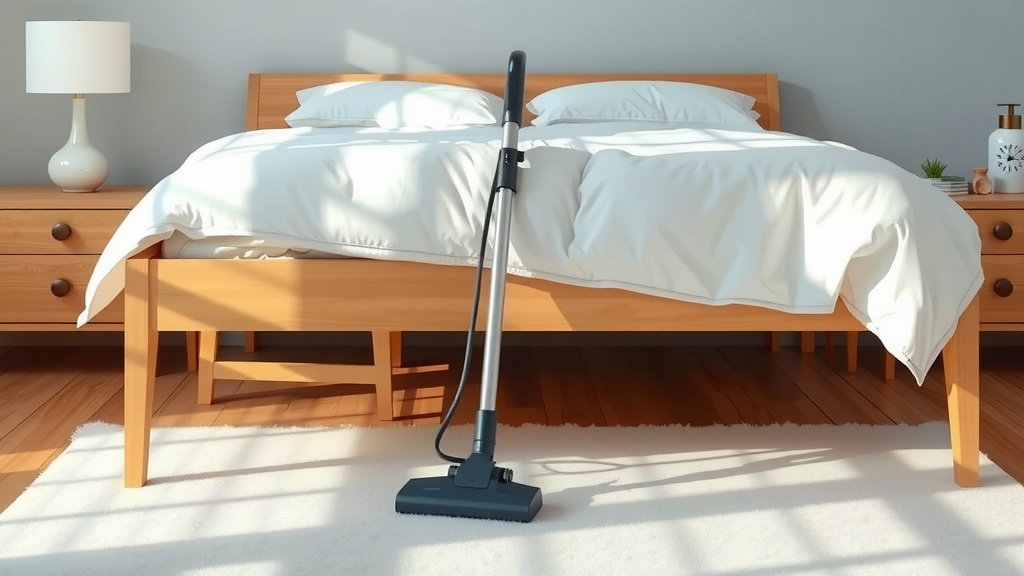
You should vacuum under your bed at least once a week, and potentially more often if you have pets or allergies. This simple routine helps to remove dust, allergens, and even dropped items that can accumulate quickly. Neglecting this area can lead to a less healthy bedroom environment.
Dust bunnies aren’t just unsightly; they can harbor dust mites, pet dander, and other allergens. Regularly cleaning under your bed contributes to better indoor air quality. It also helps prevent larger debris from becoming a nuisance. Think of it as a quick win for a cleaner, fresher living space.
- Vacuum under your bed weekly.
- Increase frequency with pets or allergies.
- It removes dust and allergens.
- Improves bedroom air quality.
- Prevents debris buildup.
Below, we’ll break down why this area is so important to clean and give you some practical tips for keeping it tidy.
How Often Should You Tidy Beneath Your Bed?
You should aim to vacuum under your bed at least once a week. This consistent cleaning habit is key. It prevents the buildup of common bedroom nuisances. Think dust, hair, and other small debris. It’s a simple step that contributes to a healthier living space. Many homeowners find this frequency manageable with a little planning.
The Case for Regular Under-Bed Cleaning
Why does this hidden area deserve so much attention? It’s a prime spot for dust accumulation. Everything that floats in the air eventually settles. Your bed’s underside acts like a magnet for this settling dust. This can include pet dander, skin cells, and pollen. These particles can stir up easily when you move around. They then become airborne.
Dust and Allergens: A Bedroom Problem
Research shows that indoor air can be more polluted than outdoor air (Environmental Protection Agency). Under your bed is a prime location for this to happen. Dust mites thrive in these undisturbed environments. They feed on dust and skin flakes. For allergy sufferers, this is a big problem. Regularly vacuuming removes their food source and habitat. This can lead to fewer allergy symptoms. Many health organizations recommend regular dusting and vacuuming to manage allergies.
Preventing a “Dust Bunny” Metropolis
Let’s be honest, nobody likes seeing those fuzzy dust bunnies. They gather quickly under furniture. Under the bed is the perfect storm for them. They can grow quite large if left untouched. This isn’t just about looks. Large dust accumulations can make your bedroom feel stuffy. They can also harbor bacteria over time. A quick vacuuming session clears them out before they become a major issue.
Factors That Might Increase Cleaning Frequency
While weekly vacuuming is a good baseline, some situations call for more attention. Your personal circumstances play a big role. Are you a pet owner? Do you or someone in your home suffer from allergies? These are important considerations. You might need to adjust your vacuuming schedule accordingly.
Pet Owners: Extra Attention Needed
If you have furry friends sharing your home, you know about the shedding. Pet hair and dander are notorious for getting everywhere. The space under your bed is no exception. It can become a collection point for fur tumbleweeds. These can trap dust and other allergens. Many veterinarians and pet experts suggest more frequent cleaning in homes with pets. This helps maintain a cleaner environment for both pets and people. Consider vacuuming under the bed twice a week if pets frequent your bedroom.
Allergy and Asthma Sufferers: Breathe Easier
For individuals with allergies or asthma, a clean bedroom is essential. Dust mites, pet dander, and mold spores are common triggers. These allergens love to hide in dark, undisturbed places like under the bed. The Centers for Disease Control and Prevention (CDC) often highlights reducing allergen exposure as a key strategy for asthma management. If allergies are a concern, vacuuming under the bed every few days might be beneficial. This drastically reduces the amount of airborne irritants.
High-Traffic Bedrooms
Some bedrooms see more activity than others. If your bedroom is also a home office, a play area for kids, or a frequently used guest room, dust can accumulate faster. More foot traffic means more dirt tracked in. More activity means more disturbance of settled dust. In these cases, increasing vacuuming frequency to every 3-4 days could be a good idea.
Tips for Effective Under-Bed Vacuuming
Getting under the bed to clean doesn’t have to be a chore. With the right approach, it can be quick and effective. Think of it as a mini-mission for a cleaner room.
Choosing the Right Vacuum Attachment
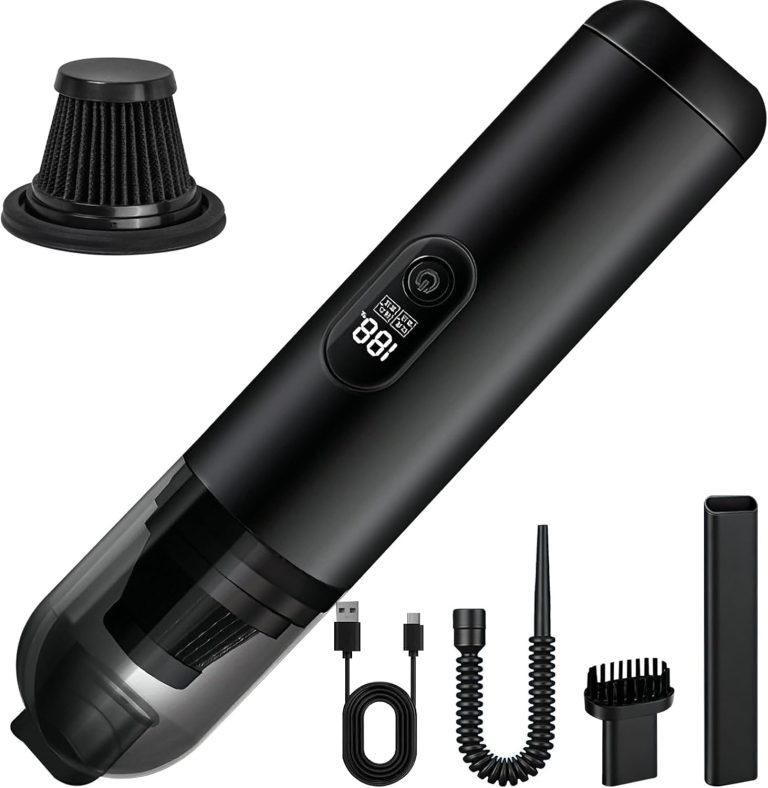
Most modern vacuums come with various attachments. A crevice tool is your best friend here. It’s long and thin, perfect for reaching into tight spaces. Some vacuums also have a low-profile head designed for getting under furniture. If your vacuum has adjustable height settings, lower it to its minimum.
Pre-Cleaning for Easier Vacuuming
Before you start vacuuming, do a quick sweep with your eyes. Are there any large items like dropped socks, toys, or books? Remove these first. This prevents them from getting sucked up by the vacuum. It also makes the vacuuming process smoother. You can also use a broom to sweep larger debris towards the center of the room.
Getting the Most Out of Your Vacuum
Don’t just do a quick pass. Go over the area a few times. Use slow, overlapping strokes. This ensures you capture as much dust and debris as possible. Pay attention to the edges where dust tends to collect. Consider using a vacuum with a HEPA filter if you are concerned about air quality. These filters capture very fine particles.
A Quick Under-Bed Cleaning Checklist
Ready to tackle this often-forgotten spot? Here’s a simple checklist to guide you:
- Remove any items stored under the bed.
- Use a crevice tool or low-profile vacuum attachment.
- Sweep large debris before vacuuming.
- Vacuum slowly and in overlapping passes.
- Focus on edges and corners.
- Repeat weekly, or more if needed.
Conclusion
You’ve learned that vacuuming under your bed at least once a week is essential for a healthier bedroom. This simple habit helps clear out dust bunnies, allergens, and debris. For pet owners or those with allergies, increasing this frequency can make a big difference. By using the right attachments and cleaning techniques, you can easily maintain this often-overlooked area. Make it a habit to tackle the space beneath your bed during your next cleaning session to enjoy fresher air and a cleaner home.
Frequently Asked Questions
How often should I vacuum under my bed if I don’t have pets or allergies?
Even without pets or allergies, a weekly vacuuming session under your bed is recommended. Dust and skin cells naturally accumulate there. This helps maintain good indoor air quality for everyone. A quick sweep once a week prevents buildup.
Can storing items under my bed affect how often I need to vacuum?
Yes, storing items under your bed can trap more dust and make vacuuming more difficult. You’ll likely need to vacuum more often. Consider storing fewer items there to make cleaning easier. Removing items to vacuum might be necessary weekly.
What’s the best vacuum attachment for cleaning under the bed?
A crevice tool is usually the best choice for under-bed cleaning. Its long, narrow design reaches into tight spaces effectively. Some vacuums also have special low-profile heads designed for furniture. Check your vacuum’s accessories for the best fit.
How long should it take to vacuum under a typical bed?
With the right tools and preparation, vacuuming under your bed should only take a few minutes. Removing large items first speeds things up. Moving slowly and covering the area thoroughly is key. Aim for about 5-10 minutes each week.
What if my vacuum cleaner is too tall to fit under the bed?
If your vacuum doesn’t fit, use a hose attachment with a wand or crevice tool. Many vacuums come with these flexible accessories. You can also use a broom to sweep debris out from under the bed first. Then, vacuum the debris in the open room.