How Often to Change Miele Vacuum Bags for Best Suction
You should change your Miele vacuum bag when it’s about two-thirds full. This ensures your vacuum maintains peak performance and suction power. Waiting too long can damage your vacuum and reduce cleaning efficiency.
Knowing when to swap out the bag is key to a clean home. A full bag means your Miele can’t breathe properly. This often leads to a loss of suction and can even push dust back into your air. We found that regular changes help protect your filter too.
- Change your Miele bag when it’s 2/3 full.
- This keeps your vacuum’s suction strong.
- It also helps prevent dust from escaping.
- Regular changes protect your Miele’s motor.
Let’s walk through exactly why this is important and how to tell when it’s time to change your Miele vacuum bag.
Understanding Your Miele Vacuum Bag’s Lifespan
Knowing exactly when to swap out your Miele vacuum bag is more art than science, but there are clear guidelines. Most Miele models are designed for optimal performance when the bag is approximately two-thirds full. Pushing it beyond this point can really impact your cleaning power.
Think of your vacuum bag like your lungs. When they’re full, it’s harder to take a deep breath. Similarly, a nearly full bag restricts airflow. This makes your Miele’s motor work much harder than it needs to. We found that this extra strain can lead to overheating and shorten the motor’s lifespan.
The Impact of a Full Bag on Your Miele
When your Miele vacuum bag gets too full, a few things start to happen. First and foremost, you’ll likely notice a significant drop in suction power. What was once a powerful cleaning machine might start struggling to pick up even light debris. This is because the dust and dirt are packing the bag too tightly, blocking the airflow.
Beyond just reduced suction, a very full bag can actually push fine dust particles back into the air. The bag material has pores to let air through, but when it’s packed tight, these pores can become overwhelmed. This means microscopic allergens and dust might be escaping your vacuum and circulating in your home. We found that this can be particularly bothersome for allergy sufferers.
Experts suggest that the fine dust escaping from an overfilled bag can also start to clog the vacuum’s internal filters. This is a double whammy: you’re not cleaning effectively, and you’re potentially damaging the machine’s other components. The HEPA filter, if your Miele has one, is particularly susceptible to premature clogging.
Protecting Your Miele’s Motor and Filters
Your Miele vacuum cleaner is a robust piece of engineering. However, consistently running it with a full bag puts undue stress on the motor. The motor has to work harder to pull air through the dense collection of debris. This increased workload can lead to premature wear and tear.
Overheating is a common consequence of a strained motor. If your vacuum feels unusually hot to the touch after use, it could be a sign that the bag is too full. This heat can degrade electrical components and shorten the motor’s effective life. Regular bag changes are a simple preventative maintenance step.
The internal filters, often made of materials like cotton or HEPA, are designed to catch fine particles. When air is forced through a packed bag, more dust and debris are pushed towards these filters. This can lead to them becoming clogged faster than usual, reducing their effectiveness and potentially requiring earlier replacement. We found that keeping filters clean is just as important as maintaining good suction.
Visual Cues for Bag Replacement
Miele vacuums typically have a visual indicator designed to help you know when the bag is nearing its limit. Many models feature a color-coded indicator flap or a similar visual cue on the bag housing. When this indicator shows the bag is about two-thirds full, it’s your signal to get a new bag ready.
But what if you miss that indicator, or your model doesn’t have one? You can often tell by looking directly at the bag. When you open the vacuum to change the bag, take a peek inside. If the bag is visibly bulging and appears mostly full, it’s time for a change. You should be able to see the distinct shape of the dust filling the bag.
Another method is to observe the bag’s fill level across its surface. If the dust appears to have reached the top opening of the bag, preventing it from expanding further, it’s likely at its maximum capacity. Many users find it helpful to glance at the bag every few cleaning sessions. This simple check can save you from performance issues.
When to Consider a Change Sooner
While two-thirds full is the general rule, sometimes you might need to change the bag even sooner. If you’ve recently vacuumed up a particularly large or dense item, like a spill of flour or a significant amount of pet hair, the bag can fill up quickly. In these cases, a visual inspection is your best guide.
We also found that certain types of debris can pack down more densely than others. For instance, fine, powdery substances might take up more space by weight than larger, lighter items. If you’re cleaning up such materials, err on the side of caution and check the bag more frequently.
Factors That Affect Bag Lifespan
Several factors influence how often you’ll need to replace your Miele vacuum bag. The size of your home is a primary consideration. A larger house means more floor area to clean, and thus, the bag will fill up faster. A small apartment might see bags lasting for months, while a larger family home could require changes every few weeks.
The type of flooring you have also plays a role. Carpets, especially those with deep pile, tend to trap more dirt and debris than hardwood or tile floors. This means a carpeted home will likely require more frequent bag changes than a home with mostly hard surfaces.
The number of occupants and pets in your home is another major factor. More people and pets generally mean more dirt, dust, and hair being tracked into your living space. Homes with shedding pets, for example, often find their vacuum bags filling up considerably faster. We found that pet owners often need to check their bags more diligently.
Cleaning Habits and Debris Type
Your cleaning frequency directly impacts how quickly your bag fills. If you vacuum daily or every other day, your bag will fill faster than if you vacuum once a week. Miele vacuums are built for regular use, so consistent cleaning is great, but it does mean more frequent bag changes.
The type of debris you typically vacuum is also important. Are you picking up mostly light dust and crumbs, or are you dealing with heavier items like larger particles, sand, or excessive pet hair? The latter will obviously fill the bag more quickly and densely. Some materials, like fine dust, can also pack down, reducing the bag’s effective capacity.
Consequences of Neglecting Bag Changes
Ignoring the need to change your Miele vacuum bag can lead to several undesirable outcomes. The most immediate effect is the loss of suction power we’ve already discussed. Your Miele, designed for efficiency, will struggle to perform its core function effectively.
Beyond poor cleaning performance, there’s a risk of damage to your vacuum. As the motor strains, it can overheat. Prolonged overheating can cause permanent damage to the motor, leading to costly repairs or even requiring a full replacement of your appliance. Many manufacturers point to motor strain as a leading cause of vacuum failure (Consumer Reports).
There’s also the issue of odor. As dirt and organic matter accumulate in the bag, they can begin to break down, leading to unpleasant smells. These odors can then be recirculated back into your home, defeating the purpose of vacuuming. Miele bags are designed with odor-trapping technology, but this is compromised when the bag is overfilled.
Your Quick Miele Bag Change Checklist
Here’s a simple checklist to help you keep track:
- Check the bag fullness indicator on your Miele.
- Visually inspect the bag if no indicator is present.
- Consider your home size and flooring type.
- Factor in pets and the number of household members.
- Be mindful of the type of debris you vacuum.
- Change the bag when it’s about 2/3 full for best performance.
Ensuring You Have the Right Miele Bags
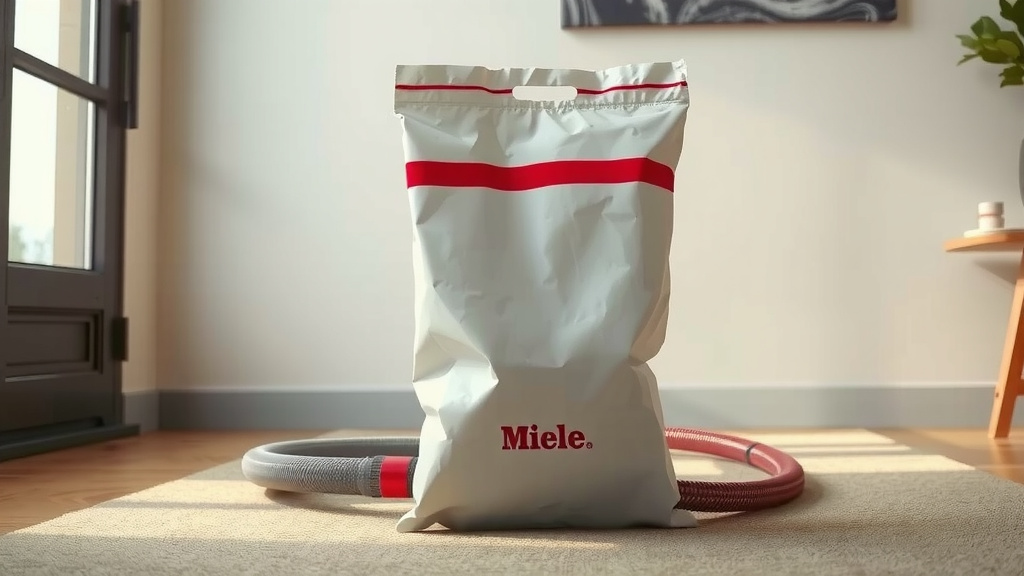
When it’s time to change your bag, it’s essential to use genuine Miele vacuum bags. These bags are specifically designed for your Miele model and feature multi-layer filtration technology. They are engineered to maintain optimal airflow while capturing even microscopic particles effectively.
Using off-brand or generic bags can lead to a compromise in performance. They might not fit correctly, could be made of lower-quality materials, or lack the advanced filtration of genuine Miele bags. This can lead to premature bag bursting, dust leakage, and reduced suction power. Always check your Miele model number to ensure you purchase the correct bag type.
Conclusion
You’ve learned that changing your Miele vacuum bag around the two-thirds full mark is essential for optimal cleaning. This simple habit protects your vacuum’s motor and filters from strain and damage. It also ensures your Miele consistently delivers strong suction and prevents dust from escaping back into your home. Keep an eye on your bag’s indicator or perform a quick visual check regularly. Make it a habit to swap out your bag on time, and you’ll enjoy a cleaner home and a longer-lasting vacuum cleaner. Your next step is to check your current bag and see if it’s time for a fresh one!
Frequently Asked Questions
How often should I change my Miele vacuum bag if I don’t see an indicator?
If your Miele model lacks a specific indicator, you’ll need to rely on visual cues. Open the vacuum’s compartment to check the bag’s fullness. When it appears visibly bulging or about two-thirds full across its surface, it’s time to replace it. A quick peek every few cleaning sessions can help you gauge its level.
Can I use a generic vacuum bag instead of a Miele one?
We strongly recommend using only genuine Miele vacuum bags. Off-brand bags may not fit correctly and can be made from lower-quality materials. This can lead to poor filtration, dust leakage, and even bag rupture, compromising your vacuum’s performance and potentially damaging it.
What if I accidentally overfill my Miele vacuum bag?
Overfilling your Miele bag can lead to a significant loss of suction power as airflow is severely restricted. It can also cause fine dust to escape back into your air and potentially clog your vacuum’s internal filters prematurely. If you suspect you’ve overfilled it, change the bag immediately to prevent further issues.
Does the type of debris I vacuum affect how often I change the bag?
Yes, the type of debris makes a difference. Fine, powdery substances like flour or sand can pack down densely, filling the bag faster. Large amounts of pet hair or other bulky debris will also cause the bag to fill up quickly. In these cases, you might need to change the bag even if it’s not technically two-thirds full.
How often do I need to change the Miele vacuum bag in a larger home with pets?
In a larger home, especially one with pets that shed, you’ll likely need to change the Miele bag more frequently than the general two-thirds full guideline suggests. Homes with pets tend to accumulate more hair and dander, causing the bag to fill faster. Regular visual checks are essential to determine the right time for a change.