How Often Should You Replace Your Vacuum Filter
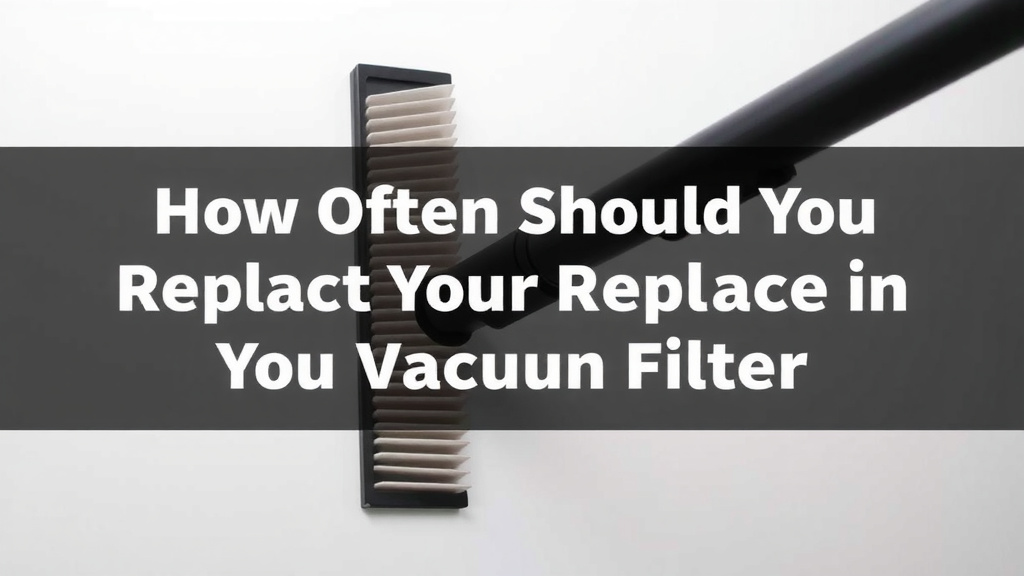
You should replace your vacuum filter about every 3-6 months, depending on your vacuum type and usage. Skipping this maintenance can lead to a less effective clean and even shorten your vacuum’s lifespan. We found that most household vacuums benefit from regular filter checks and replacements to keep them running smoothly.
Ignoring a clogged filter means your vacuum has to work much harder. This can result in a loss of suction power and can push dust and allergens back into your air. Many experts say that a clean filter is key to both a sparkling home and healthier indoor air quality.
- Most vacuums need a filter change every 3 to 6 months.
- Usage frequency and the type of filter matter.
- Dirty filters reduce suction and spread allergens.
- Check your vacuum’s manual for specific recommendations.
- Washing some filters can extend their life.
Let’s walk through exactly how often you should be swapping out that filter for the best results.
Knowing When to Swap Out Your Vacuum Filter
You might be wondering, “Just how often do I *really* need to replace my vacuum filter?” It’s a common question, and the answer isn’t always a simple date on a calendar. We found that most experts agree on a general timeframe, but a few key factors can shift that recommendation. Your vacuum’s performance and the air quality in your home depend on this simple maintenance task.
Think of your vacuum filter like the lungs of your machine. When they get clogged, your vacuum can’t breathe properly. This means it won’t pick up dirt as effectively. Many people don’t realize how much performance they lose until they change the filter. It’s often a night-and-day difference in suction power!
The Standard Replacement Schedule
For most standard household vacuums, replacing the filter every **3 to 6 months** is a good starting point. This timeframe is based on average use and the typical lifespan of common filter materials. It’s a good rule of thumb if you’re not sure where to begin with your vacuum’s care.
We found that busy households with pets or children might need to check and replace filters more frequently. If you’re vacuuming daily or dealing with a lot of debris, that 3-month mark could be more accurate for you. On the other hand, if you only vacuum once a week in a smaller, cleaner space, you might get closer to 6 months.
Factors That Influence Filter Life
Several things can make your filter clog up faster than usual. Understanding these can help you decide if you need to replace yours sooner rather than later. It’s all about listening to your vacuum and observing its performance.
Usage Frequency: The More You Vacuum, The More You Need to Change
This might seem obvious, but it bears repeating. If your vacuum is running often, its filter is working overtime. Daily cleanups, especially with kids or pets, mean more dust, dirt, and dander are being processed. We found that high-traffic homes can see their filters wear out twice as fast.
Type of Filter: Not All Filters Are Created Equal
Vacuums come with different filter types, and their longevity varies. Some are designed for maximum filtration and may need more frequent replacement. Others are washable and reusable, offering a different kind of maintenance. Knowing what kind you have is step one.
- HEPA Filters: These are excellent for trapping tiny allergens. They often need replacement every 6-12 months, as their dense material can clog more easily.
- Foam Filters: Found in many wet/dry vacs and some uprights. These can often be washed and reused.
- Bagless Filters: These are typically found in bagless models and might be washable or disposable.
- Bagged Vacuums: While the bag itself traps most dirt, there’s often a secondary filter that still needs attention.
Home Environment: Allergens and Debris
Do you live in a dusty area? Do you have pets that shed a lot? Are there allergy sufferers in your home? All these factors mean your vacuum filter is working harder to capture airborne particles. Many experts say that homes with pets should check filters monthly, even if replacement isn’t needed yet. This helps you stay on top of potential clogs.
Signs Your Vacuum Filter Needs Replacing
Your vacuum will often give you clues that its filter is past its prime. Paying attention to these signs can save you from running a struggling machine. It’s like your car’s check engine light, but for your floors!
- Reduced Suction Power: This is the most common and obvious sign. If your vacuum isn’t picking up dirt like it used to, the filter is a prime suspect.
- Unpleasant Odors: A dirty filter can trap odors from pet dander, mold, or stale dust. If your vacuum starts smelling musty or unpleasant, it’s time for a new filter.
- Visible Dirt on the Filter: Take a peek! If the filter looks visibly clogged with dust and debris, it’s definitely not working efficiently.
- Overheating: When a filter is blocked, the motor has to work harder, which can cause it to overheat. This is a serious sign and can damage your vacuum.
- Blowing Dust Back Out: If you notice fine dust blowing back into the air after vacuuming, your filter is likely full and not trapping particles effectively.
Can You Wash Your Vacuum Filter?
Some vacuum filters are designed to be washed and reused, which can save you money and reduce waste. However, not all filters can be cleaned. Always check your vacuum’s manual before attempting to wash a filter.
Washable Filters: The Dos and Don’ts
If your manual says your filter is washable, follow these guidelines carefully. We found that proper washing can extend the life of some filters significantly.
- Use cool, clean water only.
- Gently rinse the filter under running water.
- Do not use any soaps or detergents, as they can damage the filter material.
- Shake off excess water.
- Crucially, allow the filter to air dry completely before returning it to the vacuum. This can take 24-48 hours. A damp filter can lead to mold and mildew growth.
Disposable Filters: When to Toss Them
Disposable filters are designed for single use. Once they become clogged or dirty, they need to be replaced. Trying to wash a disposable filter will likely damage it and make it ineffective. We found that most manufacturers recommend replacing disposable filters every 3-6 months, regardless of appearance, to ensure optimal filtration.
A Quick Filter Maintenance Checklist
To help you stay on track with your vacuum’s filter care, here’s a simple checklist. Think of it as your vacuum’s personal spa day reminder!
- Schedule a filter check every 1-2 months.
- Visually inspect your filter for dust and debris.
- Note any decrease in suction power or strange odors.
- If washable, rinse and dry completely.
- Replace disposable filters every 3-6 months, or sooner if needed.
- Always consult your vacuum’s manual for specific instructions.
Conclusion
Taking care of your vacuum filter is a simple yet powerful way to ensure a cleaner home and a healthier environment. We’ve seen that a standard filter change every 3 to 6 months is a great starting point, but your specific needs might call for more frequent attention. Pay attention to how your vacuum performs—reduced suction, odd smells, or even overheating are clear signs it’s time for a swap.
Remember to check if your filter is washable, but always ensure it’s bone dry before reinstallation. By following these guidelines and consulting your manual, you’ll keep your vacuum running efficiently for years to come. So, make a note on your calendar to check that filter soon—your floors (and lungs!) will thank you.
Frequently Asked Questions
How often should I check my vacuum filter, even if I don’t replace it?
You should aim to visually inspect your vacuum filter every 1 to 2 months. This quick check helps you spot early signs of clogging or wear. Catching issues early means you can address them before they impact your vacuum’s performance or your home’s air quality.
My vacuum is old, does that change how often I need to replace the filter?
Older vacuums, especially those with less advanced filtration systems, might benefit from more frequent filter checks. While the 3-6 month guideline is general, a worn-out motor or seal in an older unit could mean more dust bypasses the filter. Inspecting it more often ensures you’re getting the best clean possible.
I have allergies, should I replace my vacuum filter more often?
Yes, if you or someone in your household suffers from allergies or asthma, you should definitely replace your vacuum filter more frequently. Many HEPA filters are designed for allergy sufferers and can trap microscopic particles. We recommend checking them monthly and replacing them as soon as they appear dirty, often sooner than the 3-6 month general timeframe.
What happens if I never replace my vacuum filter?
If you never replace your vacuum filter, you’ll likely experience a significant drop in suction power, leading to less effective cleaning. The filter will become completely clogged, forcing your vacuum motor to work much harder, potentially causing overheating and permanent damage. Additionally, a full filter can’t trap allergens and dust, meaning they’ll be blown back into your home’s air.
Are there specific vacuum brands that recommend different filter replacement schedules?
While the 3-6 month range is common, specific brands and models can have unique recommendations. Some manufacturers design filters for longer life, while others may use materials that clog faster. Always refer to your vacuum cleaner’s owner’s manual for the most accurate and brand-specific filter replacement schedule for your model.