How Often to Run Your Pool Vacuum for a Sparkling Pool
You should run your pool vacuum at least once or twice a week, or more if you notice debris accumulating. This regular maintenance helps keep your pool water clean and clear, preventing algae growth and equipment strain. For pools with heavy use or lots of surrounding trees, you might need to vacuum every few days.
How often you vacuum your pool depends on a few factors. Things like heavy bather load, nearby trees, and even wind conditions can impact how quickly debris settles. Consistent vacuuming is key to a sparkling clean pool and happy pool equipment. It stops small problems from becoming big headaches.
- Vacuum 1-2 times weekly for general maintenance.
- Increase frequency if you see lots of leaves or dirt.
- Automatic pool cleaners can run more often.
- Check your pool filter pressure regularly.
- Clean filters help your vacuum work better.
Let’s walk through exactly why vacuuming frequency matters and how to determine the best schedule for your backyard oasis.
“`htmlYour Pool Vacuuming Schedule: How Often is Often Enough?
Wondering how often you should be running your pool vacuum? You’ve come to the right place. Keeping your pool clean is a balancing act. Too little vacuuming, and you’ll see murky water and maybe even algae. Too much, and you might be wasting time and energy. We found that most pool owners find a sweet spot with regular vacuuming.
Understanding the Factors That Influence Vacuuming Frequency
Several things can affect how often you need to fire up your vacuum. Think of your pool like your backyard’s own little ecosystem. What happens around it can definitely impact what happens inside it.
Bather Load: More Swimmers, More Debris
The more people who swim in your pool, the more debris you’ll likely find. Every swimmer brings in sunscreen, lotions, hair, and even tiny bits of grass from their feet. More swim time means more cleaning time. We found that pools used daily by families often require vacuuming at least twice a week.
Surrounding Environment: Nature’s Contribution to Pool Gunk
Are you surrounded by trees? Do you live in a windy area? These factors can seriously up your vacuuming game. Leaves, pollen, dust, and even small insects can easily find their way into your pool. If you have overhanging branches, you might see a lot more organic matter. We found that pools near lots of trees may need vacuuming every few days during peak seasons.
Pool Cover Usage: Your First Line of Defense
Using a pool cover is one of the best ways to reduce debris. A good cover acts like a shield, blocking leaves and dirt from entering your pool. This can cut down on how often you need to vacuum. If you cover your pool consistently, you might be able to stretch your vacuuming schedule a bit.
Pool Type and Features: What’s Under the Water?
The type of pool you have can also play a role. For example, if you have a lot of decorative features like waterfalls or fountains, these can create circulation patterns that might direct debris to certain areas. This can make those spots need more attention. Also, the surface of your pool liner can affect how easily dirt sticks.
Automatic Pool Cleaners vs. Manual Vacuuming: What’s the Difference in Frequency?
When we talk about vacuuming, it can mean a few different things. Are you using a manual vacuum with your pool cleaner hose, or do you have an automatic pool cleaner (like a robotic or suction-side cleaner)? The type of cleaner you use can change how often you need to intervene.
Automatic Pool Cleaners: Set It and Forget It (Mostly)
Automatic pool cleaners are designed to run on a schedule. Many owners set their automatic cleaners to run every day or every other day. These devices continuously skim, sweep, and suck up debris. While they reduce manual effort, you still need to ensure they’re working correctly and empty their debris bags or baskets regularly. They are great for daily maintenance.
Manual Vacuuming: Targeted Cleaning for Specific Needs
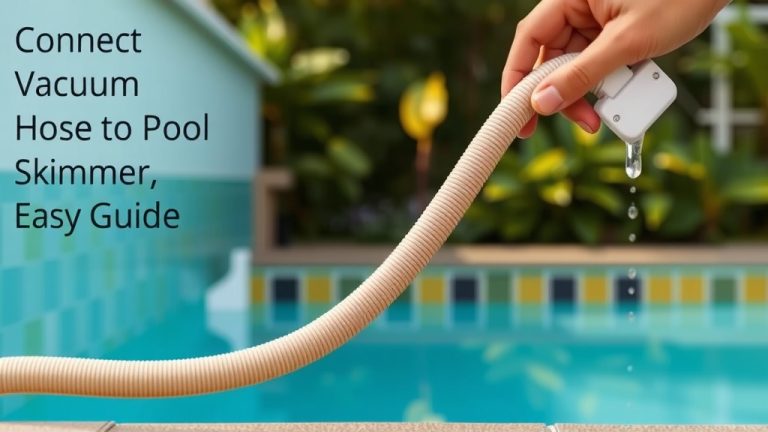
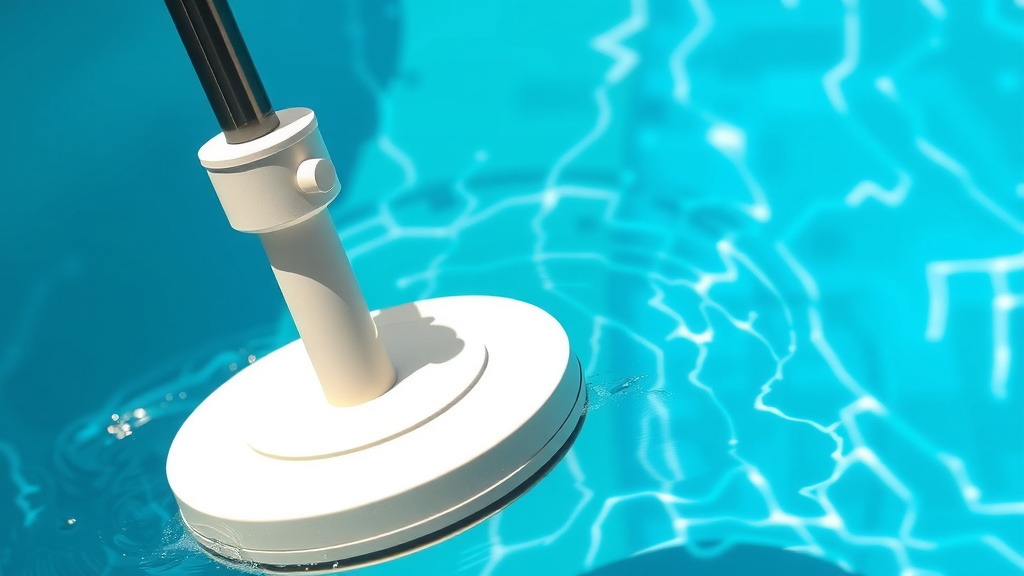
Manual vacuuming is for when you see a buildup of dirt or debris that your automatic cleaner might miss, or if you don’t have an automatic cleaner. This often involves connecting a vacuum head to your skimmer or a dedicated vacuum line. You’ll typically do this once or twice a week as part of your regular pool cleaning routine. It’s perfect for a deep clean after a party or a windy day.
How to Tell if Your Pool Needs Vacuuming
Sometimes, the best way to know is to just look! Your pool will tell you when it needs a clean. Here are some visual cues to watch for.
Visible Debris on the Pool Floor
This is the most obvious sign. If you can see leaves, twigs, dirt, or any other gunk sitting on the bottom of your pool, it’s time to vacuum. Don’t let it sit too long; it can become harder to remove and might even stain your liner.
Cloudy or Murky Water
While cloudy water can be a sign of filtration or chemical balance issues, it can also be an indicator that there’s a lot of fine debris suspended in the water that needs to be removed. Vacuuming can help clear this up. We found that a combination of vacuuming and proper filtration is key for crystal-clear water.
Algae Starting to Form
If you notice small spots of green or black algae starting to appear, especially on the walls or floor, this is a clear sign you need to vacuum and address the underlying cause. Algae feeds on debris and nutrients in the water. Vacuuming helps remove the food source for algae.
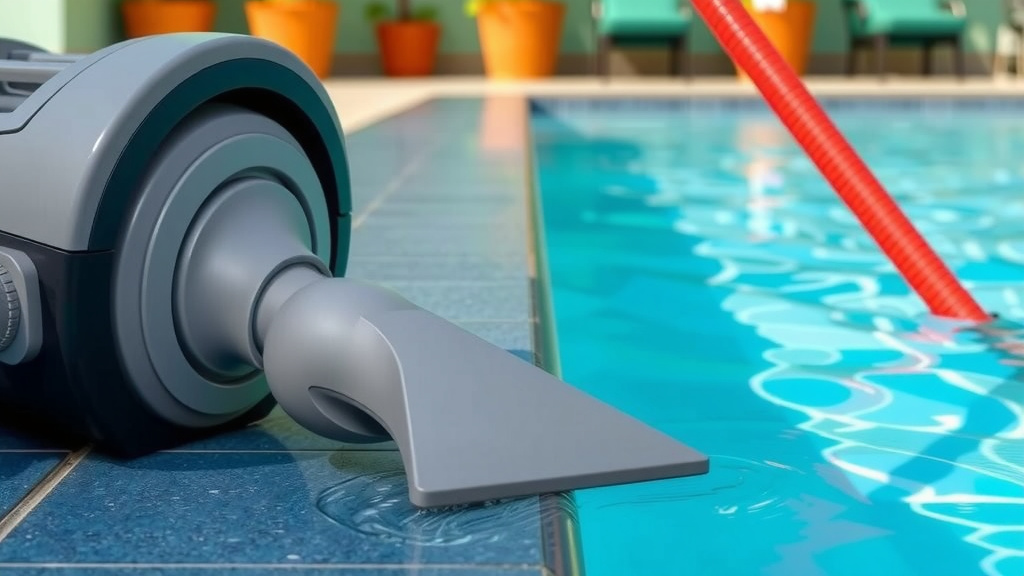
Optimizing Your Pool Vacuuming Schedule: A Quick Checklist
To help you nail down your perfect schedule, consider this simple checklist:
- Check for visible debris on the pool floor at least twice a week.
- Monitor your pool filter’s pressure gauge. If it’s high, cleaning the filter might be needed, which improves overall circulation and cleaning.
- Note how often you use your pool. More use equals more cleaning.
- Consider your surrounding environment. Lots of trees or wind? Vacuum more often.
- If using an automatic cleaner, ensure it’s running its programmed schedule and emptying its collection basket.
- Manually vacuum as needed for any visible buildup or if your automatic cleaner misses spots.
When to Vacuum for Maximum Effectiveness
Timing matters, even with vacuuming. We found that vacuuming at certain times can yield better results.
After a Storm or Windy Day
If a storm blows through or you have a particularly windy day, your pool will likely be full of new debris. It’s a good idea to vacuum soon after these events to prevent the debris from settling and becoming harder to remove. This can prevent a big cleanup later.
Before Chemical Treatments
If you know you need to add chemicals to your pool, vacuuming first can help. Removing loose debris means your chemicals can work more efficiently to sanitize and balance the water. It’s like cleaning your kitchen counter before you start cooking.
During Routine Pool Maintenance
Incorporate vacuuming into your regular weekly maintenance routine. This could be the same day you test your water chemistry or clean your skimmer baskets. Consistency is key to preventing major issues. Many experts suggest vacuuming at least once a week as part of this routine (CDC).
| Pool Usage & Environment | Recommended Manual Vacuuming Frequency | Automatic Cleaner Schedule |
|---|---|---|
| Low usage, minimal trees, covered frequently | Once every 1-2 weeks | 2-3 times per week |
| Moderate usage, some trees, occasional wind | Once per week | 3-5 times per week or daily |
| High usage, many trees, windy area, uncovered often | Twice per week or as needed | Daily or multiple times daily |
Remember, this is a guide. Always observe your pool for any signs of debris buildup or water clarity issues. Your pool’s needs can change throughout the seasons!
“`Conclusion
You’ve learned that the sweet spot for vacuuming your pool isn’t a single number, but a flexible routine. It depends on how many people swim, if your pool is near trees, and if you use a cover. Automatic cleaners offer daily help, while manual vacuuming tackles bigger jobs. The most important thing is to watch your pool. Visible debris or cloudy water are your cues.
Your goal is clear, inviting water without constantly battling gunk. So, check your pool floor regularly, note the factors around it, and adjust your vacuuming schedule accordingly. The next step is simple: take a look at your pool today and decide if your current vacuuming routine is up to the task!
Frequently Asked Questions
How often should I run my automatic pool cleaner?
For most pools, running an automatic cleaner daily or every other day is ideal for consistent debris removal. This helps maintain clear water and reduces the need for frequent manual vacuuming. Ensure its collection basket or bag is emptied regularly.
What if I don’t have an automatic pool cleaner?
If you’re manually vacuuming, aim for at least once a week as part of your routine cleaning. You’ll likely need to vacuum twice a week if your pool sees heavy use or if it’s located in a very windy area with lots of trees.
Can I vacuum my pool too often?
While it’s rare to vacuum too often, it’s generally not necessary to vacuum manually every single day unless you have a specific issue like excessive debris after a storm. Overdoing it might be more effort than it needs to be, but it typically won’t harm your pool.
Does pool water temperature affect vacuuming frequency?
Yes, warmer water often encourages more debris and algae growth, so you might find yourself vacuuming more frequently during the hot summer months. Cooler temperatures generally mean less organic activity, allowing for slightly less frequent vacuuming.
How does pool filter maintenance relate to vacuuming frequency?
A clean and well-maintained pool filter is essential for overall water clarity. If your filter is dirty, it can’t effectively remove fine particles, meaning your vacuuming efforts might be less effective. Cleaning your filter regularly improves circulation and helps keep debris from settling on the pool floor.