How to Adjust Pool Vacuum Settings for Optimal Cleaning
Adjusting your pool vacuum properly is key to a sparkling clean pool without hassle. Most pool vacuums have simple adjustments for suction power and reach, allowing you to customize cleaning for different debris types. Getting these settings right means your vacuum works more efficiently, saving you time and effort.
Understanding how your pool vacuum works helps you tackle everything from fine dust to larger leaves. Many models offer adjustable flow rates, which is vital for different pool surfaces and pump sizes. Many experts say that a well-adjusted vacuum can make a world of difference in pool maintenance.
- Adjust suction for debris type.
- Set reach for pool size.
- Match flow rate to your pump.
- Check for leaks often.
- Clean the filter bag regularly.
Let’s walk through exactly how to adjust your pool vacuum step by step, ensuring your pool is always swim-ready.
Fine-Tuning Your Pool Vacuum for Optimal Cleaning
Getting your pool vacuum adjusted correctly is surprisingly straightforward. You’ll soon be able to tackle any mess your pool throws at you. We’ll guide you through the common adjustments you’ll find on most automatic pool vacuums. This ensures you get the most effective clean possible. A little bit of tweaking goes a long way.
Understanding Suction and Flow Rate Adjustments
The main adjustments you’ll encounter relate to suction power and water flow rate. These settings directly impact how well your vacuum picks up debris and how efficiently it moves across your pool floor.
Adjusting Suction Power
Think of suction power like the “strength” of your vacuum. Too little, and it won’t pick up finer particles. Too much, and it might struggle to move or even get stuck on obstacles.
Why Adjust Suction?
Different types of debris require different suction levels. Fine dust needs a good pull, while larger leaves can clog a vacuum set too high. You might also need to adjust suction based on your pool’s pump size. A powerful pump might require a slightly reduced suction setting to avoid overwhelming the vacuum head or hoses.
How to Adjust Suction (Common Methods)
Many vacuums have a simple dial or a series of holes on the vacuum head or within the hose connections.
- Variable Speed Pumps: If you have a variable speed pump, you can often adjust the overall speed setting. Lower speeds usually mean less suction.
- Bypass Valves: Some systems have a bypass valve. Opening this valve allows more water to flow back into the pool, reducing the suction at the vacuum head. Research and found that many pool professionals recommend starting with a moderate setting.
- Hose Weighting: Adding or removing weights from the vacuum hose can sometimes affect how the vacuum settles and its contact with the pool floor, indirectly influencing suction effectiveness.
- Flow Regulators: You might find a flow regulator on the vacuum hose. This usually looks like a small plastic disc with holes. You can swap it out for discs with different hole sizes. Larger holes mean more flow and less suction. Smaller holes mean less flow and more suction.
Matching Flow Rate to Your Pump
The flow rate is about how much water your vacuum is pulling through its system. It needs to be balanced with your pool pump’s capacity.
Why Flow Rate Matters
A vacuum that’s pulling too much water can strain your pump and filter. This can lead to reduced filter efficiency and even pump damage over time. On the other hand, too little flow means the vacuum won’t move properly and won’t pick up debris effectively. Many guidelines suggest aiming for a flow rate that allows the vacuum to move steadily across the pool floor without being too sluggish or too fast (CDC).
How to Check Your Flow Rate
The easiest way to check your flow rate is often by observing the vacuum’s movement. It should glide smoothly. If it’s bumping around erratically or seems stuck, your flow might be off. Some pool systems have built-in flow meters, but visual inspection is usually sufficient for vacuum adjustments.
Setting the Right Reach and Coverage
Adjusting your vacuum’s reach isn’t so much about twisting a dial as it is about ensuring all the components are properly connected and that the vacuum is covering the entire pool.
Hose Length and Sections
Most automatic vacuums come with sections of hose that you connect together. The total length needs to be sufficient to reach the deepest part of your pool and still have a bit of slack.
Too Short? Too Long?
If your hose is too short, the vacuum won’t be able to reach all areas, leaving spots dirty. If it’s excessively long, the excess hose can get tangled or create drag, making it harder for the vacuum to move freely. We found that a good rule of thumb is to have enough hose to reach the furthest point of the pool and then add one or two extra sections for good measure. This ensures it can navigate corners and steps without getting stuck.
Checking for Kinks and Leaks
As you add hose sections, ensure each connection is secure. A loose connection can cause a water leak, drastically reducing suction and preventing the vacuum from working correctly. Also, check the hose itself for any kinks or damage that could restrict water flow.
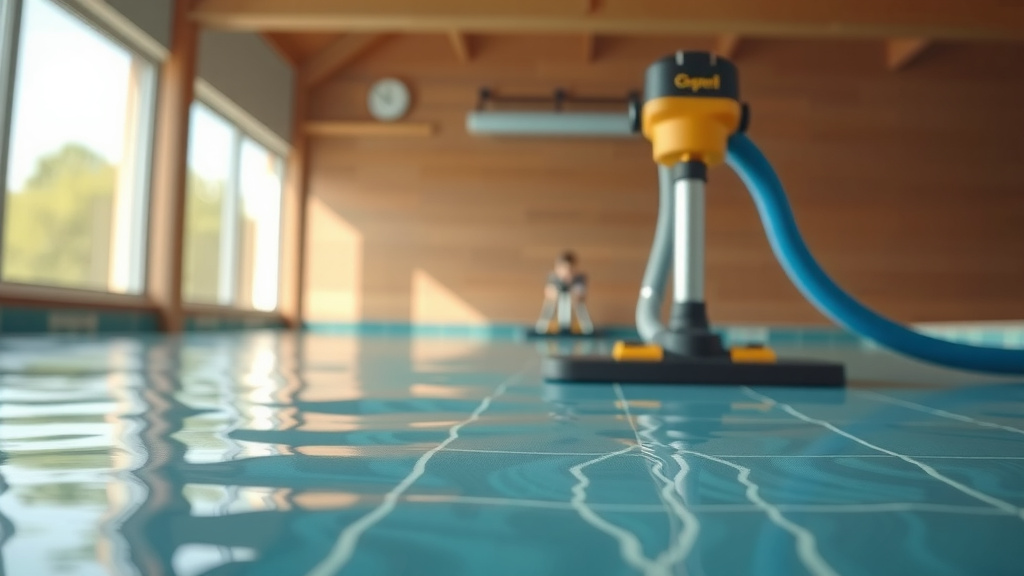
Troubleshooting Common Vacuum Issues
Even with the best adjustments, you might run into a few snags. Don’t worry, most are easy fixes!
Vacuum Not Moving or Moving Too Slowly
This is often a suction or flow rate issue. Double-check your flow regulator, bypass valve, or pump speed settings. Ensure there are no blockages in the vacuum head, hose, or skimmer basket. We’ve seen many cases where a clogged skimmer basket was the culprit!
Vacuum Not Picking Up Debris
This usually means your suction is too low. Try increasing the suction by adjusting your flow regulator or bypass valve. Also, make sure the vacuum head is making good contact with the pool floor. If you have a lot of heavy debris, you might need to manually skim the larger items first before running the vacuum.
A Quick Checklist for Perfect Vacuuming
Before you hit the “start” button on your pool pump, run through this quick checklist:
- Hose length is adequate and connected securely.
- No kinks or leaks in the vacuum hose.
- Skimmer basket is clean and free of debris.
- Suction setting is appropriate for the type of debris.
- Pump is running at the correct speed.
- Vacuum head is free from any visible obstructions.
Conclusion
You’ve learned how to fine-tune your pool vacuum for peak performance. Adjusting suction and flow rate ensures it tackles all debris types effectively. Matching hose length to your pool size guarantees complete coverage. Remember to check for leaks and kinks regularly. By following these simple steps, you’re well on your way to a consistently cleaner and more inviting pool. Now, take a moment to review your vacuum’s current settings and make those small adjustments. You’ll notice a big difference in your pool’s sparkle.
Frequently Asked Questions
How do I know if my pool vacuum has enough suction?
You can tell if your vacuum has enough suction by observing its movement. It should glide smoothly across the pool floor without seeming to struggle. If it’s lifting off the ground or moving erratically, the suction might be too high. If it’s sluggish and barely moving, you may need more suction.
Can a pool vacuum get stuck even with the right adjustments?
Yes, even with proper adjustments, a pool vacuum can get stuck. This often happens if the hose is too long and gets tangled around obstacles like pool ladders or drains. Ensuring your hose has just enough slack, but not excessive length, helps prevent this common issue.
What is the best way to adjust the flow rate on my pool vacuum?
The best way to adjust the flow rate often involves using a flow regulator on the vacuum hose or adjusting a bypass valve on your pool system. Some vacuums have interchangeable discs with different hole sizes for the flow regulator. You want enough flow for movement but not so much that it strains your pump.
Should I adjust my pool vacuum differently for sand versus leaves?
You should definitely adjust your pool vacuum differently for sand versus leaves. For fine sand, you’ll need stronger suction. For larger leaves, you might want slightly less suction to prevent clogging the vacuum head or filter bag. Research suggests finding a balance that captures debris without overwhelming the system.
How often should I check my pool vacuum hoses for leaks or kinks?
You should check your pool vacuum hoses for leaks or kinks before every use. Even a small leak can significantly reduce suction power and cleaning efficiency. Similarly, a kink can block water flow and prevent the vacuum from moving correctly.

![7 Best Manual Pool Vacuum Head For Vinyl Liner [2026]](https://bathroomexplorer.com/wp-content/uploads/2026/06/7-best-manual-pool-vacuum-head-for-vinyl-liner-2026-featured-768x432.jpg)
![7 Best Cordless Vacuum For Pet Hair Uk [2026]](https://bathroomexplorer.com/wp-content/uploads/2026/05/7-best-cordless-vacuum-for-pet-hair-uk-2026-featured-768x432.jpg)