How Much Water Does a Front Load Washer Use
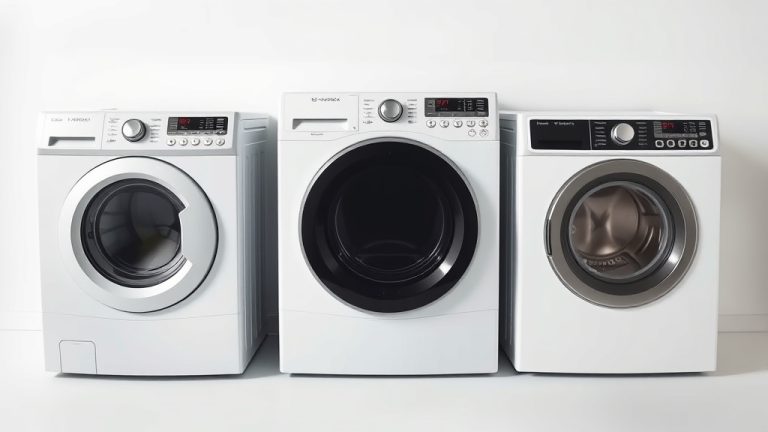
A front load washer typically uses between 15 to 30 gallons of water per load. This is considerably less than older top load models, which often used 30 to 45 gallons. You’ll find your new machine is much more water-efficient.
The reason for this difference is the tumbling action front loaders use. They lift clothes and drop them into the water, rather than submerging them completely. This means they need a lot less water to get your laundry sparkling clean and can often save you money on your water bill.
- Front loaders use about 15-30 gallons per cycle.
- Older top loaders use 30-45 gallons or more.
- The tumbling action is key to their water savings.
- This means lower water bills for you.
Let’s dive into the specifics of how much water your front load washer uses and why it’s such a smart choice for saving water.
How Much Water Does Your Front Load Washer Use?
So, you’re curious about your front load washer’s water consumption. It’s a great question to ask! Understanding your appliance’s water usage can help you make smarter choices for your household and your wallet. We found that front load washers are remarkably efficient. They are designed to use significantly less water than older washing machine models.
Understanding Front Loader Water Efficiency
Front load washing machines have changed the game when it comes to saving water. Their design allows them to use a fraction of the water that older top-loading machines needed. This isn’t just a minor improvement; it’s a substantial difference that benefits you directly.
The Science Behind the Savings: Tumbling vs. Agitation
The primary reason for the water savings in front loaders is their unique cleaning action. Instead of relying on a large tub filled with water and an agitator, they use a tumbling method. Clothes are lifted and dropped back into a small pool of water at the bottom of the drum. This action mimics natural washing processes and requires much less water to saturate and clean your laundry effectively.
Many experts explain that this tumbling action is gentler on fabrics too. You get a powerful clean without the excessive water use or potential wear and tear on your clothes that older agitator models could cause. It’s a win-win for your laundry and your resources.
Typical Water Usage Per Load
Let’s get down to the numbers you’re looking for. We found that a typical front load washing machine cycle uses anywhere from 15 to 30 gallons of water. This range can vary slightly depending on the specific model, the cycle you choose, and the load size.
Compare this to older top-loading machines, which could easily use 30 to 45 gallons or even more per load. That means your front loader could be saving you 15 to 30 gallons of water for every single wash! Over time, this adds up to significant water conservation and lower utility bills.
Factors Influencing Water Consumption
While front loaders are inherently water-efficient, certain factors can influence the exact amount of water your machine uses. It’s helpful to be aware of these so you can optimize your laundry routine further.
Cycle Selection Matters
Different wash cycles are designed for different needs. A heavy-duty cycle might use slightly more water to tackle tougher stains, while a quick wash or an eco-friendly cycle will often use less. Always check your washing machine’s manual for specific water usage per cycle, but generally speaking, opting for cycles like “normal,” “eco,” or “quick wash” will lead to lower water consumption.
Load Size and Water Level Settings
Even though front loaders automatically sense load size in many cases, your input can still play a role. Overloading the machine can prevent clothes from tumbling properly, potentially leading to less efficient cleaning or requiring a second rinse cycle. Similarly, if your machine has manual water level settings (less common on newer front loaders), ensure you select the appropriate level for the load. Most modern machines adjust automatically, which is part of their water-saving design.
Water Pressure and Machine Age
The water pressure in your home can have a minor impact on how quickly the machine fills. However, the machine’s internal sensors are designed to manage this. Over time, like any appliance, wear and tear could theoretically affect efficiency, but front loaders are built for longevity. Regular maintenance, such as cleaning the filter, can help ensure your machine continues to operate at peak efficiency.
Comparing Front Loaders to Other Washer Types
It’s always good to have context. Understanding how your front loader stacks up against other types of washing machines can highlight just how water-wise your choice is.
The Old Top Loaders: Water Guzzlers
As mentioned, older top-loading machines with central agitators were notoriously water-intensive. They needed to fill the entire tub to fully submerge the clothes and allow the agitator to move them around. This meant a lot of water was used just to get the laundry wet. Research indicates these models often used 30-45 gallons, and sometimes much more. To understand front loader efficiency, it helps to compare them to older top-loading machines.
High-Efficiency (HE) Top Loaders
In response to rising water costs and environmental concerns, manufacturers developed High-Efficiency (HE) top loaders. These models often use an impeller instead of a traditional agitator and have improved water sensing capabilities. While much better than older top loaders, they typically still use more water than front loaders, often in the range of 20-30 gallons per load. Some HE models can be very close to front-loader efficiency, but the tumbling action of front loaders generally gives them the edge.
The Front Loader Advantage Summarized
Your front load washer is a leader in water efficiency. Its design is fundamentally built around using less water. You benefit from lower water bills, reduced strain on local water resources, and often a gentler wash for your clothes. It’s a smart investment for any household looking to be more sustainable and cost-effective.
Maximizing Your Front Loader’s Water Efficiency
To ensure you’re getting the most water savings possible from your front load washer, consider these simple tips. They’re easy to implement and can make a difference!
- Match load size to cycle: Don’t wash a tiny load on a heavy-duty cycle.
- Use the right amount of detergent: Too much soap requires extra rinsing.
- Consider “Eco” or “Water Saver” modes: If your machine has them, use them!
- Clean the lint filter: A clean filter helps water drain properly.
- Run full loads when possible: This maximizes efficiency per wash.
- Perform regular maintenance: Check hoses and seals for leaks.
A Quick Water Usage Breakdown
To help you visualize the savings, let’s look at a hypothetical comparison. Imagine you do 5 loads of laundry per week:
| Washer Type | Gallons Per Load (Average) | Gallons Per Week (5 Loads) | Gallons Per Year (52 Weeks) |
|---|---|---|---|
| Old Top Loader | 37.5 gallons | 187.5 gallons | 9,750 gallons |
| HE Top Loader | 25 gallons | 125 gallons | 6,500 gallons |
| Front Loader | 22.5 gallons | 112.5 gallons | 5,850 gallons |
As you can see, even a small difference per load adds up significantly over a year. Your front load washer is a champion of water conservation!
Conclusion
You’ve learned that your front load washer is a champion of water conservation. By using about 15 to 30 gallons per load, it’s far more efficient than older machines. This water-saving design, thanks to its tumbling action, not only benefits the environment but also lowers your utility bills.
Remember that choosing the right cycle and load size further maximizes these savings. By making small adjustments, you can ensure your laundry routine is as eco-friendly and cost-effective as possible. Start by checking your machine’s manual for optimal cycle suggestions to get the most out of your efficient appliance!
Frequently Asked Questions
How can I be sure my front loader is actually saving water?
Your front loader’s design itself is the biggest indicator of water savings. By comparing its typical 15-30 gallon usage to older top-loaders using 30-45 gallons or more, you can see the difference. Many modern machines also have eco-settings that further optimize water use.
Will using a “heavy duty” cycle use much more water in my front loader?
Generally, heavier cycles on front load washers might use slightly more water than a “quick wash” or “eco” mode. However, the difference is usually minimal compared to older washer types. Always check your machine’s manual for specific cycle details.
Can I adjust the water level in my front load washer?
Most modern front load washers automatically sense the load size and adjust water levels accordingly. This is a key part of their water-saving technology. If your model does have manual settings, ensure you select the appropriate level for your load size to maximize efficiency.
Does the age of my front load washer affect its water usage?
While front loaders are built for durability, like any appliance, their efficiency could theoretically change over many years. However, a well-maintained front loader should continue to be water-efficient. Regular cleaning of the lint filter can help ensure optimal performance and water drainage.
How much water does a “quick wash” cycle use on a front loader?
A “quick wash” or similar rapid cycle on your front load washer typically uses less water and less energy. It’s designed for lightly soiled items. While exact amounts vary by model, expect it to be on the lower end of the 15-30 gallon range, making it a great water-saving option.