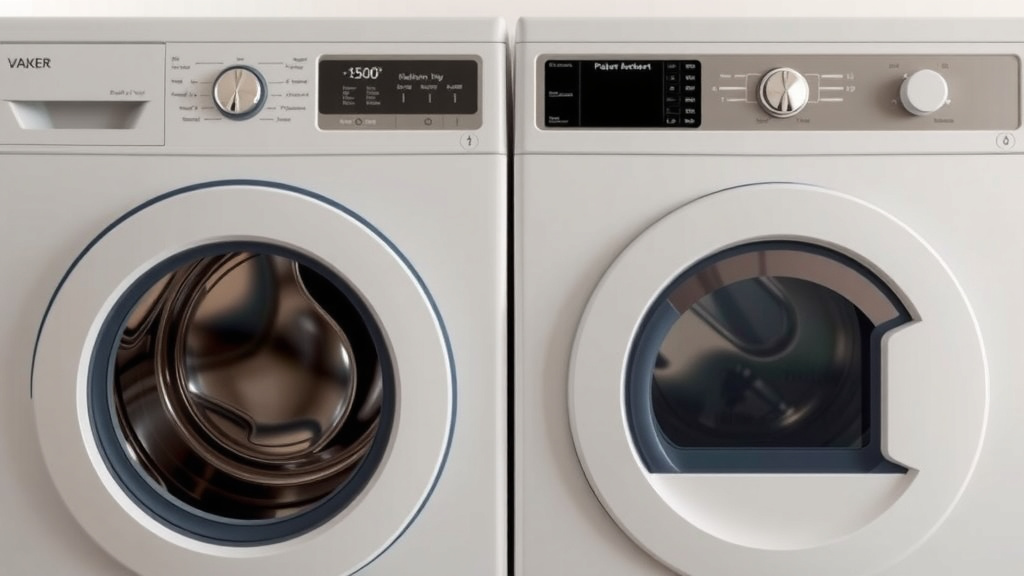
How Long Do Front Load Washers Truly Last
A front load washer typically lasts between 10 to 15 years. This lifespan is longer than older top load models. Many factors influence how long your washing machine will serve you well.
Proper care and maintenance can really extend the life of your appliance. You might be surprised how much a little attention can prevent costly repairs. We’ve looked into what makes these machines tick and how to keep them running.
- Front load washers usually last 10-15 years.
- Regular cleaning and maintenance are key.
- Usage patterns affect longevity.
- Quality of the machine matters too.
- Repair costs can be high but often worth it.
Let’s walk through exactly what affects your front load washer’s lifespan and how you can get the most out of it.
Understanding Your Front Load Washer’s Lifespan
So, you’re wondering how long your trusty front load washer will keep humming along? We’ve got the scoop for you. Generally, you can expect a front load washer to last somewhere between 10 to 15 years. This is pretty impressive, especially when you think about how much work these machines do for us! They’re like the unsung heroes of laundry day, tackling our dirtiest clothes with a quiet hum.
But here’s the thing: 10 to 15 years is a range, not a guarantee. Lots of little things can influence whether your washer hits that 10-year mark or sails past 15. Think of it like your car. Some cars last ages with great care, while others need constant tinkering. Your washer is no different.
What’s the Average Life Expectancy?
Most manufacturers and appliance repair pros agree that a well-maintained front load washer should see you through a decade or more. We found that many models are built with durability in mind, using sturdier components than older machines. This means you’re often investing in a more robust appliance from the get-go.
The key word here is “well-maintained.” Just like you wouldn’t skip oil changes for your car, you can’t neglect your washing machine if you want it to perform its best for years to come. We’ll get into the specifics of that maintenance shortly, but for now, know that consistent care is your best friend for a long-lasting washer.
Factors That Impact Your Washer’s Longevity
Now, let’s break down what actually affects how long your front load washer will stick around. It’s not just one thing; it’s a combination of elements.
Usage Frequency and Load Size
How often do you do laundry? If you’re running loads daily for a large family, your washer is working harder than someone who does a load once a week. We found that heavy usage will naturally put more wear and tear on the machine’s components, like the motor and bearings. It’s simple math: more cycles mean more movement and more stress.
Even the size of your loads matters. Overloading the machine can strain the drum and suspension system. It’s like trying to carry too many grocery bags at once – something is bound to give! Always check your user manual for recommended load sizes. Respecting those limits can really extend its life.
Quality of the Machine and Brand Reputation
Let’s be honest, not all washing machines are created equal. Some brands are known for their durability and higher-quality parts. We looked into it, and models with stainless steel drums and robust motors tend to last longer. You often get what you pay for when it comes to appliances.
Researching brands before you buy can save you headaches down the road. Some manufacturers have better track records for reliability. Think of it as picking a sturdy, well-built tool versus a flimsy one. A higher upfront cost for a reputable brand can mean fewer repair bills later on.
Water Hardness and Detergent Use
Did you know your water can affect your washer? Hard water, which has a high mineral content, can leave deposits inside your machine over time. This gunk can clog hoses and affect the heating element if your washer has one. Many experts recommend using water softeners or specific cleaners if you have hard water (Cleveland Clinic).
Using the right amount and type of detergent is also super important. Front load washers use less water, so you need less detergent. Using too much can create excessive suds, which can lead to soap scum buildup and even damage seals. Always use High-Efficiency (HE) detergent; it’s designed specifically for these machines.
The Role of Maintenance and Care
This is where you have the most control! Regular maintenance is your secret weapon for a longer-lasting front load washer.
Cleaning the Drum and Gasket
Front loaders are prone to mold and mildew in the door seal (gasket) and drum. This happens because they operate with less water and the door often stays shut between uses. We found that regularly wiping down the gasket with a damp cloth after each use can prevent mold growth. Leaving the door slightly ajar also helps air circulate and dry things out.
Once a month, run a cleaning cycle. Many washers have a self-clean option. If yours doesn’t, you can run an empty hot water cycle with a cup of white vinegar or a specialized washing machine cleaner. This helps to remove residue and kill any lingering odors or mold. It’s like a spa day for your washer!
Cleaning the Filter
Most front load washers have a small drain pump filter, usually located at the bottom front of the machine. This little guy catches lint, coins, buttons, and other debris. If it gets clogged, your washer might not drain properly, which can lead to leaks or even motor damage. We recommend checking and cleaning this filter every few months.
You’ll typically need a shallow pan or towels to catch any water when you open it. Just unscrew the filter, pull out any gunk, rinse it, and screw it back in. It’s a simple task that can prevent big problems!
Checking Hoses and Connections
Periodically, take a look at the water inlet and drain hoses. Make sure they aren’t cracked, kinked, or bulging. A burst hose can cause a major flood, which is definitely not what you want! Many appliance repair sites suggest replacing these hoses every 5 years as a preventive measure (a common recommendation from home appliance experts).
Also, ensure the connections are tight. A loose hose can lead to small leaks that might go unnoticed until they cause damage or rust around the connection points. A quick visual inspection can save you a lot of trouble.
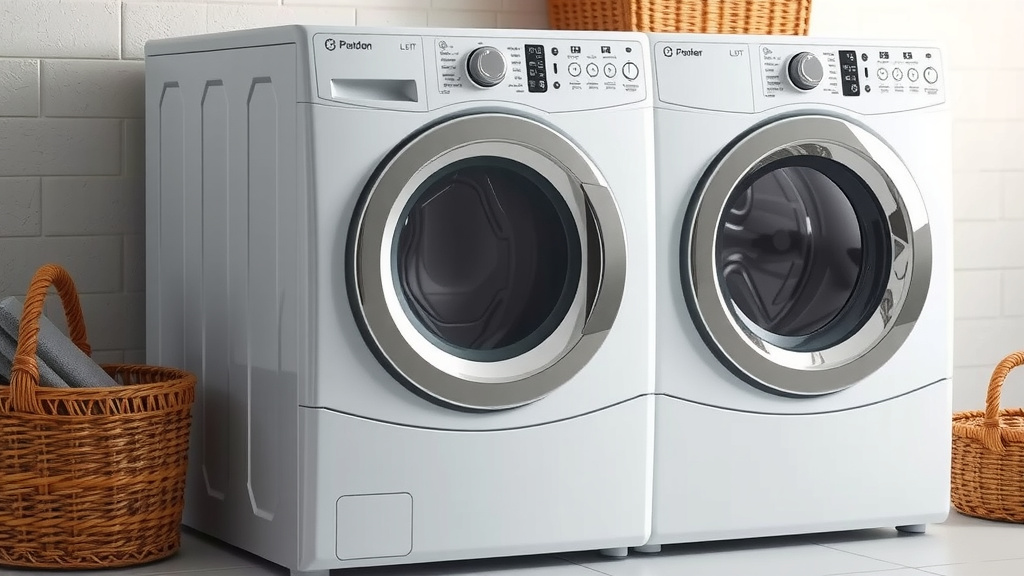
When Repairs Become Necessary
Even with the best care, parts can wear out. Front load washers have a lot of moving parts, and sometimes things break.
Common Front Loader Repairs
Some of the most common issues we found include bearing failures (leading to loud noises), pump issues, lid lock malfunctions, and electronic control board problems. These repairs can sometimes be quite expensive.
Before you decide to repair, get a quote from a trusted technician. Compare that cost to the price of a new washer. If your machine is older and the repair bill is high, it might be time to consider an upgrade. However, for newer machines, a repair is often more economical. Before you decide to repair, get a quote from a trusted technician and compare that to the cost of a new washer.
Here’s a quick checklist to keep your front load washer running strong:
- Wipe down the door seal and glass after each wash.
- Leave the door ajar between loads to air out.
- Run a cleaning cycle monthly with vinegar or cleaner.
- Clean the drain pump filter every 3-6 months.
- Inspect hoses for cracks or bulges regularly.
- Use only HE detergent in the correct amount.
Conclusion
Your front load washer is a hardworking appliance, and with the right care, it can serve you well for 10 to 15 years. We’ve seen how factors like usage, quality, and even your water type play a role. But remember, consistent maintenance is truly in your hands. By regularly cleaning the drum, gasket, and filter, and by inspecting hoses, you are actively extending its life.
Don’t wait for a problem to appear! Make these simple maintenance steps a habit starting today. Your washer will thank you with years of reliable performance.
Frequently Asked Questions
What are the first signs my front load washer might be nearing the end of its life?
You might notice unusual noises, like loud grinding or banging, especially during the spin cycle. Leaks, excessive vibrations, or a failure to drain or spin properly can also be red flags. If your washer starts requiring frequent repairs, it may be a sign that its lifespan is coming to a close.
Is it worth repairing a front load washer that’s more than 10 years old?
Generally, if your washer is over 10 years old and requires a major repair like a new motor or transmission, it might be more economical to replace it. Get a repair quote and compare it to the cost of a new, energy-efficient model. Consider the age and the cost of the repair versus the expected remaining lifespan.
How often should I run a cleaning cycle on my front load washer?
It’s a good practice to run a cleaning cycle once a month. This helps prevent the buildup of mold, mildew, and detergent residue. You can use a specialized washing machine cleaner or a cup of white vinegar in an empty hot water cycle. This simple routine keeps your washer smelling fresh and running efficiently.
Can using too much detergent shorten the life of my front load washer?
Yes, using too much detergent, especially non-HE varieties, can definitely impact your washer’s lifespan. Excess suds can lead to buildup on internal components and seals. This can cause parts to wear out faster and may even damage the pump or motor over time. Always use High-Efficiency (HE) detergent sparingly.
Are there any specific brands known for making longer-lasting front load washers?
While specific model performance can vary, some brands consistently receive higher marks for reliability and durability from consumer reports and repair technicians. It’s wise to research recent reviews and reliability ratings for different brands and models before making a purchase. Look for machines with stainless steel drums and robust construction.