How to Load Sheets in Front Load Washer Correctly
Loading your front load washer correctly is simpler than you might think! You should always add detergent and laundry additives directly into the dispenser drawer, never pour them onto the clothes. This ensures your machine dispenses them at the right time for a properly balanced wash.
Many people accidentally overload their machines, which can lead to dingy clothes and even damage. Keeping your loads balanced and not too heavy is key to efficient cleaning. We found that avoiding overstuffing helps water and detergent circulate effectively, giving your clothes the best treatment.
- Add detergent to the drawer.
- Don’t pack the drum too tightly.
- Distribute clothes evenly for balance.
- Close the door firmly.
Let’s walk through exactly how to load your front load washer step by step to get the cleanest laundry possible!
Loading Your Front-Load Washer Correctly
So, you’ve got a front-load washer and you’re wondering about the best way to get your laundry done? It’s really not complicated! We’ve found that understanding a few simple steps can make a big difference in how clean your clothes come out. Let’s get your washer humming and your clothes sparkling!
Preparing Your Laundry for the Wash
Before you even think about tossing clothes into the drum, a little prep work goes a long way. This involves sorting your laundry and getting your detergent ready.
Sorting Your Clothes: The First Step to Cleanliness
Why sort? Because different fabrics and colors need different care. Washing whites with bright reds is a recipe for pinkish socks! We found that separating items into lights, darks, and delicates is a **solid starting point**. You might also want to consider fabric weight. Heavy towels and delicate blouses have very different washing needs. Grouping them ensures each gets the appropriate treatment.
Understanding Your Detergent Drawer
Your front-load washer’s detergent drawer is designed for a reason. It has **specific compartments** for different types of cleaners. Usually, you’ll see sections for pre-wash, main wash detergent, and fabric softener. Always add your liquid or powder detergent to the designated **main wash compartment**. This allows the machine to dispense it at the correct time during the cycle.
- Pre-wash detergent (if needed)
- Main wash detergent
- Fabric softener
- Bleach (sometimes a separate compartment)
We discovered that pouring detergent directly onto clothes can cause **excessive sudsing**. This can leave residue and even damage your machine over time. It’s best to let the machine do its job with the dispenser!
Loading the Washer Drum: More Than Just Stuffing
This is where many people run into trouble. Overloading is a common mistake that leads to less-than-clean clothes and potential machine strain. Let’s aim for the sweet spot.
The “Hand-Width” Rule: Your Loading Guide
The simplest way to know if you’ve loaded too much is the “hand-width” rule. After you’ve placed your load in the drum, reach in from the top. You should be able to **easily fit your hand between the top of the clothes and the top of the drum**. If it feels packed, you’ve likely added too much. We found this method to be incredibly effective for achieving a balanced load.
Why Load Levels Matter
Front-load washers rely on the clothes tumbling and falling through water. If the drum is too full, the clothes can’t move freely. This means they won’t get properly saturated with water and detergent. It’s like trying to swim in a crowded pool – you can’t move much! Research indicates that adequate space allows for **better circulation of water and detergent** (Consumer Reports).
Consider this: a load that’s too heavy puts extra stress on your washer’s motor and bearings. Over time, this can lead to premature wear and tear. We’ve seen reports suggesting that avoiding overstuffing can **extend the lifespan of your appliance**.
Distributing Clothes for Balance
Once you have the right amount of laundry in the drum, you need to make sure it’s **distributed evenly**. This is especially important for larger items like sheets and towels. Unevenly distributed loads can cause the machine to vibrate excessively during the spin cycle. This can be noisy and potentially damaging. Imagine a washing machine trying to spin a single, heavy wet towel; it’s going to go wild!
We suggest spreading items around the drum. Don’t just pile everything in one spot. This helps the machine maintain a stable spin. If you’re washing a mix of items, try to place larger items around smaller ones.
Special Considerations for Sheets and Large Items
Sheets can be tricky because they can easily ball up. When this happens, they can unbalance the load.
How to Load Sheets Effectively
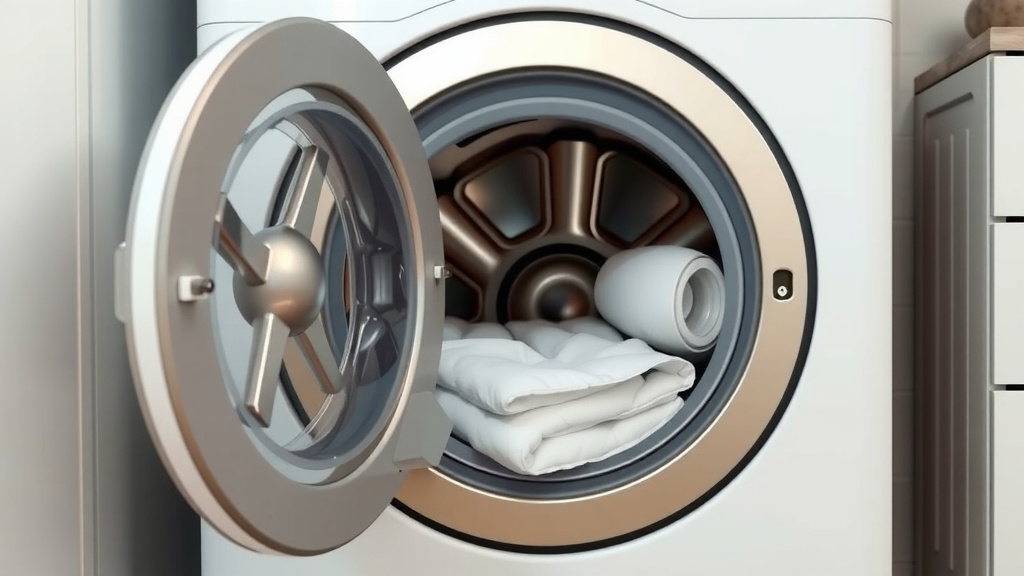
When washing sheets, try to **untangle them first**. Lay them out flat as much as possible before placing them in the drum. If you’re washing a full set (fitted sheet, flat sheet, pillowcases), try to mix them up. Place the fitted sheet in first, then the flat sheet, and finally the pillowcases. Avoid washing sheets with heavy items like jeans if possible. We found that washing sheets with similar weight items leads to a more **balanced spin cycle**.
Avoiding the Dreaded Sheet Ball
A common issue is the fitted sheet or flat sheet balling up. This traps water inside and prevents proper cleaning. To combat this, research suggests that adding a few smaller items, like washcloths or hand towels, can help **disrupt the formation of these balls**. They act as dividers. It’s a simple trick that often works wonders.

Closing the Door and Starting Your Wash
The final steps are straightforward, but important.
Securing the Door Seal
Before you close the door, quickly check the rubber gasket around the opening. Make sure there are no stray socks or small items stuck in it. Then, **close the door firmly**. You should hear a distinct click, indicating it’s properly latched. A secure door prevents leaks and ensures the wash cycle can begin safely.
Selecting the Right Cycle
While not directly about loading, choosing the correct wash cycle is tied to how you load. Heavier loads might benefit from a “Heavy Duty” cycle, while delicate items need a “Delicates” or “Hand Wash” setting. Always refer to your washer’s manual for guidance on **specific cycle recommendations**.
Quick Checklist for Perfect Loading
Here’s a handy summary to keep in mind:
- Separate lights, darks, and delicates.
- Add detergent to the correct dispenser drawer.
- Don’t pack the drum; leave hand-width space at the top.
- Distribute clothes evenly for balance.
- Untangle sheets and add a few small items to prevent balling.
- Close the door firmly.
Conclusion
You’ve now learned the simple steps to load your front-load washer like a pro. Remember, adding detergent to the dispenser and avoiding overstuffing are your top priorities. These practices ensure your clothes get the best clean and your machine runs efficiently. You’ve got this! Next time you do laundry, use the hand-width rule and distribute your items evenly for a perfectly balanced wash.
Frequently Asked Questions
How do I know if I’ve put too many sheets in my front-load washer?
The best indicator is the “hand-width” rule. After loading your sheets, reach into the drum from the top. If you can easily fit your hand between the sheets and the top of the drum, your load is likely balanced. If it feels packed, you’ve probably added too many.
Can I wash my sheets with other laundry items?
Yes, but it’s best to mix them with items of similar weight, like other bedding or lighter towels. Avoid washing sheets with heavy items like jeans, as this can unbalance the load and prevent proper cleaning. You can also add a few smaller items like washcloths to help prevent sheets from balling up.
What’s the best way to load a fitted sheet to prevent it from becoming a ball?
Before loading, try to untangle your fitted sheet as much as possible. Place it into the drum, then layer other items, like pillowcases or a flat sheet, around it. Adding a couple of smaller items, such as hand towels, can also help disrupt the formation of the dreaded sheet ball during the wash cycle.
Should I put fabric softener in the dispenser or directly on the sheets?
Always put fabric softener into the designated compartment in your detergent drawer. Your front-load washer is designed to dispense it at the correct time during the rinse cycle. Pouring it directly onto clothes can lead to excessive sudsing and residue.
What happens if I overload the washer with just sheets?
Overloading your front-load washer, even with just sheets, can prevent them from circulating freely. This means water and detergent won’t reach all the fabric, leading to less-than-clean clothes. It also puts unnecessary strain on your machine’s motor and bearings, potentially shortening its lifespan.