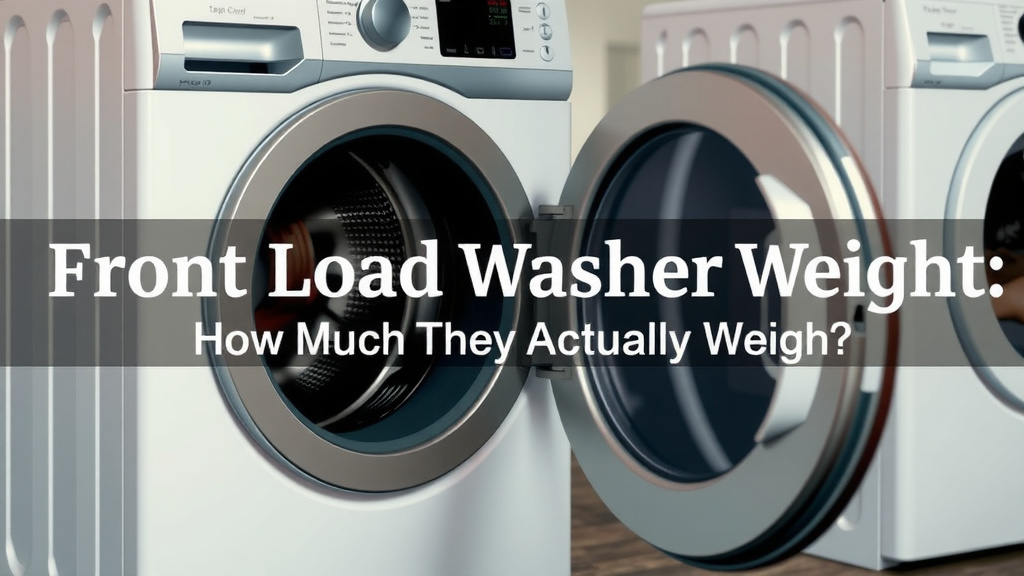
Front Load Washer Weight: How Much Do They Actually Weigh
A typical front load washer weighs between 150 to 250 pounds. This weight is mostly due to the heavy-duty motor and the thick stainless steel drum inside. You might find some lighter models, but most are built for durability.
When you’re planning to move or install your washing machine, this weight is important to consider. Front load washers are generally heavier than top load models. This extra heft helps them stay stable during high-speed spin cycles, preventing walking across your laundry room floor.
- Front loaders usually weigh 150-250 lbs.
- Their weight comes from a strong motor and drum.
- They are typically heavier than top loaders.
- Weight helps them stay put during spins.
- Plan for this weight when moving.
Below, we’ll walk through exactly what contributes to this weight and what you need to know when buying or moving one.
Understanding the Weight of Your Front Load Washer
So, you’re curious about how much a front load washer actually weighs? It’s a great question to ask, especially if you’re planning a move or just want to understand the engineering behind these powerful machines. Most front load washers tip the scales somewhere between 150 to 250 pounds.
This isn’t just a random number. That substantial weight is a direct result of the robust construction and internal components designed for superior performance. Let’s break down what makes these washers so hefty.
What Gives a Front Loader Its Heft?
When you look inside a front load washer, you’ll see why it’s so much heavier than many other appliances. It’s not just a big metal box. There are several key components contributing to its overall mass.
The Mighty Motor
At the heart of any washer is its motor. Front load washers typically feature powerful, heavy-duty motors. These motors are designed to handle the vigorous tumbling action and high-speed spins that are characteristic of front loaders. A more powerful motor often means a heavier motor, adding significant weight to the appliance.
The Durable Drum
Think about the drum where your clothes go. In front loaders, this drum is almost always made of thick, high-grade stainless steel. Stainless steel is chosen for its durability, resistance to rust, and ability to withstand constant moisture and detergent. Unlike some top loaders that might use plastic drums, the robust steel construction of a front loader’s drum adds considerable weight. It’s built to last for years, and that means using sturdy materials.
Counterweights for Stability
You might not see them, but front load washers have heavy counterweights, often made of concrete or cast iron. These are strategically placed within the machine. Their primary job is to absorb vibrations and keep the washer stable, especially during the high-speed spin cycles. Without these counterweights, the machine would likely shake and move excessively. These weights are a major contributor to the overall heft.
The Outer Tub and Frame
The outer tub, which holds the water, and the internal frame supporting all the components are also built with strength in mind. They need to be sturdy to contain the water and support the heavy drum and motor. This often involves the use of thick metal, adding more pounds to the unit.
Why the Extra Weight Matters: Performance and Stability
Why does all this weight actually matter? It’s not just about making the machine heavy for the sake of it. This heft is engineered for a reason – to provide a superior washing experience.
Stability During Spin Cycles is a huge benefit. Front load washers reach incredibly high RPMs during their spin cycles, often exceeding 1,000 RPM. This is what gets your clothes remarkably dry. The heavy motor, drum, and counterweights act like anchors. They help the machine resist the centrifugal forces that would otherwise send a lighter appliance skidding across your floor. You want your washer to stay put, and its weight ensures it does just that. You won’t have to chase it down the hall!
Reduced Vibration and Noise also comes with the territory. Those counterweights aren’t just for stability; they’re vibration dampeners. By absorbing the shocks and tremors from the drum’s movement, they lead to a quieter operation. While no washing machine is completely silent, the weight helps minimize the noise and vibration you experience in your home. It makes laundry day a little less disruptive.
Comparing Front Loaders to Top Loaders
It’s common knowledge that front load washers tend to be heavier than their top-loading counterparts. Let’s look at why this difference exists.
Top load washers, especially older or simpler models, may use lighter materials for their drums, such as plastic or thinner metal. They also often spin at lower speeds. This means they don’t require the same robust counterweight system. While many modern high-efficiency top loaders have improved significantly, traditional agitator models are generally lighter. The average top load washer might weigh between 100 to 200 pounds, making front loaders noticeably heftier.
Consider this table for a quick comparison:
| Washer Type | Typical Weight Range (lbs) | Key Contributing Factors |
|---|---|---|
| Front Load Washer | 150 – 250 lbs | Heavy motor, stainless steel drum, substantial counterweights |
| Top Load Washer (HE) | 120 – 220 lbs | Motor, metal or plastic drum, some counterweights |
| Top Load Washer (Agitator) | 100 – 170 lbs | Lighter motor, often plastic drum, minimal counterweights |
What This Weight Means for You
Now that you know why your front load washer is so heavy, let’s talk about what that means for your practical needs.
Moving Day Challenges
Moving a front load washer is a serious undertaking. You’ll need proper equipment and extra help. A dolly or hand truck is essential, but even then, maneuvering a 200-pound appliance up or down stairs requires strength and caution. Always secure the washer to the dolly and consider using moving straps for added safety. Don’t try to lift it yourself; you risk injury and damaging your appliance or home.
We found that using a combination of a sturdy appliance dolly, a ramp for stairs, and at least two strong individuals is typically recommended for moving these heavy machines safely (Appliance Moving Professionals Association).
Installation Considerations
When installing your washer, ensure the floor can support its weight, especially the concentrated load during spin cycles. Most modern flooring is adequate, but it’s something to keep in mind. Also, make sure the floor is level. A level surface, combined with the washer’s adjustable feet, ensures optimal stability and performance.
Choosing the Right Washer
When you’re shopping for a new front load washer, the weight is an indicator of build quality. A heavier washer generally suggests more robust materials and better engineering for stability. If you’re looking for a durable machine that can withstand years of heavy use, don’t shy away from the heavier models. They’re built to last.
Tips for Handling a Heavy Washer
Moving or installing a heavy appliance can be daunting. Here are a few quick tips to keep in mind:
- Plan your route before you start moving.
- Use an appliance dolly with straps.
- Get at least one helper – two is better.
- Empty all water from the machine.
- Secure the drum if the manufacturer recommends it for transport.
- Protect your floors with cardboard or blankets.

Conclusion
You now understand that a front load washer’s weight, typically between 150 and 250 pounds, is a sign of its robust engineering. This heft comes from its powerful motor, durable stainless steel drum, and essential counterweights, all contributing to superior stability and reduced vibration during vigorous spin cycles. Knowing this helps you appreciate its performance and prepare effectively for moving or installation.
When choosing your next washer, remember that weight often signifies quality construction. So, next time you’re shopping or planning that move, you’ll be well-prepared to handle your heavy-duty laundry companion!
Frequently Asked Questions
How can I move a front load washer by myself?
We strongly advise against moving a front load washer by yourself. These machines are extremely heavy and attempting to move one alone puts you at serious risk of injury and damage to the appliance or your home. Always recruit at least one helper and use proper equipment like an appliance dolly.
Can the weight of a front load washer damage my floor?
While generally safe for most standard flooring, the concentrated weight of a front load washer, especially during spin cycles, can put stress on floors. Ensure your floor is level and sturdy. If you have concerns about older or less robust flooring, consider placing a heavy-duty mat or plywood underneath to distribute the weight.
Are all front load washers this heavy?
Most front load washers fall within the 150 to 250-pound range. However, there can be slight variations based on brand, size, and specific features. Lighter models might exist, but they often compromise on the heavy-duty components that contribute to the signature stability of front loaders.
Does the weight affect how well my clothes get cleaned?
The weight itself doesn’t directly clean your clothes, but it’s linked to the performance features that do. The heavy components enable higher spin speeds, which extract more water. This means your clothes come out cleaner and drier, reducing drying time and energy use.
Can I stack a dryer on top of a front load washer, and does the washer’s weight matter for this?
Yes, you can often stack a dryer on a front load washer, usually with a specific stacking kit. The washer’s substantial weight is a major advantage here, providing a very stable base for the dryer. This stability is essential to prevent any movement or tipping, making stacking a safe option.