Front Load Washer: Your Ultimate Guide
Using your front load washer correctly is easier than you think! You just need to follow a few simple steps for loading, adding detergent, and selecting the right cycle. Doing this ensures your clothes get a thorough clean while protecting your machine and your garments. It’s all about understanding the basics to get the best results.
Front loaders are designed to be energy-efficient and gentler on clothes. Because they use less water and a tumbling action, they require a specific approach compared to older top-load models. Getting this right helps prevent issues like mold buildup or clothes not getting clean. We’ve found that understanding these key differences makes a huge difference in your laundry routine.
- Load clothes loosely – don’t pack it tight.
- Use high-efficiency (HE) detergent.
- Add detergent to the correct dispenser.
- Choose the right wash cycle.
- Wipe the door seal and leave the door ajar.
Ready to master your front load washer? Let’s walk through exactly how to use it step by step, from loading your first load to keeping it in tip-top shape.
Mastering Your Front Load Washer: A Step-by-Step Guide
You’ve got a front load washer, and you’re ready to make laundry day a breeze! These machines are fantastic for getting clothes super clean while being kind to your fabrics and the environment. But, they work a bit differently than those old top-loaders you might be used to. Don’t worry, though! We’ve put together a simple guide to help you get the best results every time.
Loading Your Laundry Correctly
The first step to a great wash is how you load your clothes. It might seem straightforward, but there’s a sweet spot for front loaders. Think of it like packing a suitcase – you don’t want to stuff it so full that nothing can move!
Don’t Overload Your Machine
This is perhaps the most important rule. Front load washers rely on clothes tumbling freely in the drum to get clean. If you pack it too tightly, the clothes can’t move properly. This means dirt and detergent can get trapped. You might also end up with clothes that aren’t fully rinsed. Aim to leave about a hand’s width of space between the top of the load and the drum ceiling.
Separate Your Loads Wisely
Just like with any washer, sorting your laundry is key. Separate lights from darks to prevent color bleeding. Also, consider fabric types. Delicate items like lingerie or silk might need a gentler cycle and should be washed separately from heavy towels or jeans. You’ll find many front loaders have specific cycles for delicates, which is great for protecting your finer garments.
Zippers and Hooks: A Small Consideration
We found that small details can make a big difference. Fasten zippers and tie drawstrings before washing. This helps prevent them from snagging on other clothes or the drum itself. It’s a quick step that can save your favorite sweater from a rogue zipper!
Choosing and Using Detergent
Front load washers use less water, which means they also use less detergent. Using the wrong kind or too much can cause problems. It’s really about using the right product for the right machine.
Why HE Detergent is a Must
You’ll almost always see “HE” on detergent bottles. This stands for High-Efficiency. Front load washers are designed to work with HE detergents because they produce fewer suds. Too many suds can overwhelm the machine, leading to poor rinsing and potential residue buildup. Many experts suggest using HE detergent is non-negotiable for these machines (Consumer Reports).
Where to Add Your Detergent
Most front load washers have specific dispenser drawers. You’ll typically find compartments for pre-wash, main wash, and fabric softener. Pour your liquid or powder HE detergent into the **main wash compartment** (usually marked with a ‘II’ or ‘2’). If you’re using detergent pods, you can usually toss them directly into the drum before adding clothes.
How Much Detergent Should You Use?
This is where less is more! Always check the detergent manufacturer’s instructions, but a good rule of thumb is to use only a small amount. For a standard load, you might only need about 1 to 2 tablespoons of liquid HE detergent. Over-sudsing can leave residue and damage your machine over time. We found that many people overuse detergent simply because they’re used to older machines.
Selecting the Right Wash Cycle
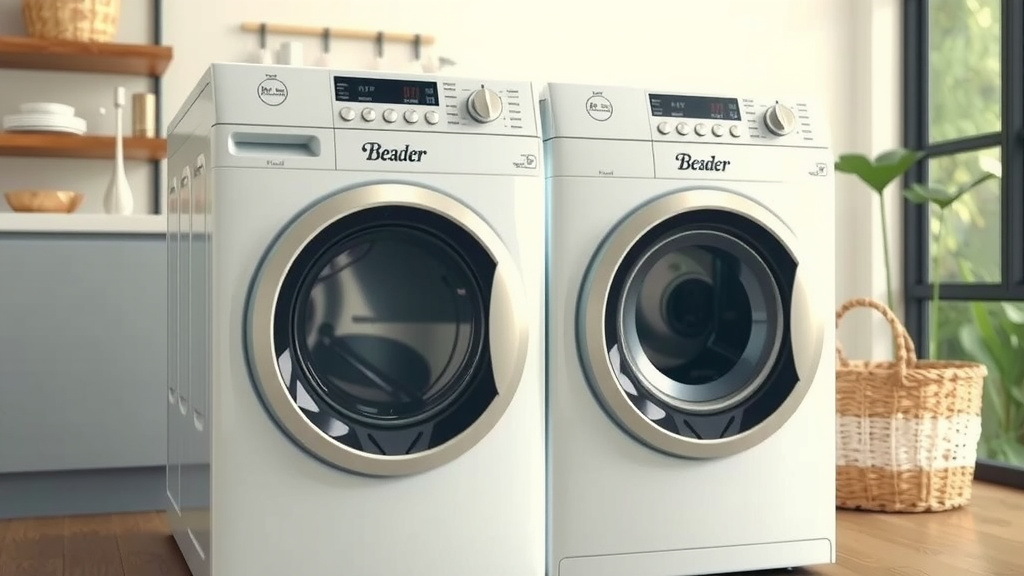
Front load washers come with a variety of cycles, each designed for different types of fabrics and soil levels. Picking the correct cycle ensures your clothes get the best treatment.
Understanding Common Cycles
Let’s break down a few you’ll see most often:
- Normal/Cotton: Good for everyday items like t-shirts, jeans, and towels.
- Permanent Press/Synthetics: For synthetic fabrics like polyester or nylon, often with a cooler rinse.
- Delicates: A gentle cycle with less agitation and a slower spin, perfect for items you want to protect.
- Heavy Duty: For heavily soiled items that can withstand more vigorous washing.
- Quick Wash: For lightly soiled loads you need done fast.
We recommend checking your owner’s manual for the specific names and functions of cycles on your model. It’s like having a personal laundry assistant!
Adjusting Water Temperature and Spin Speed
Most cycles allow you to adjust the water temperature and spin speed. Hot water is best for sanitizing and heavy-duty cleaning, but can cause shrinkage or damage delicate fabrics. Cold water is great for colors, energy saving, and most everyday loads. A higher spin speed removes more water, leading to faster drying times, but can also be harsher on clothes.
After the Wash: Maintenance is Key!
Keeping your front load washer in good shape is simple with a few regular habits. This will help prevent odors and ensure your machine lasts longer.
Wipe Down the Door Seal
This is a big one for preventing mold and mildew. After each wash, take a dry cloth and wipe down the rubber seal around the door. Water and lint can get trapped here. Many users report this simple step drastically reduces common front-loader smells.
Leave the Door Ajar
Once your laundry is out, leave the washer door slightly open. This allows air to circulate inside the drum and helps it dry out completely. Keeping the dispenser drawer slightly open also helps it dry. This simple habit is one of the best ways to combat musty odors.
Run a Cleaning Cycle Regularly
Even with regular use, your washer can build up residue. Most front load washers have a self-cleaning cycle. Run this about once a month, using a washing machine cleaner or a cup of white vinegar. This helps flush out any buildup and keeps your machine running efficiently (Maytag).
Using your front load washer doesn’t have to be complicated. By following these steps, you’ll ensure your clothes come out clean and fresh, and your machine stays in excellent condition for years to come. Happy washing!
Conclusion
You’ve learned the essential steps to mastering your front load washer. By properly loading your clothes loosely and sorting them wisely, you set the stage for a great wash. Remember to always use HE detergent and the correct amount in the designated compartment. Choosing the right cycle and adjusting settings ensures optimal cleaning for all your fabrics. Finally, don’t forget those simple maintenance tips like wiping the seal and leaving the door ajar to keep your machine fresh. You’re now equipped to get your laundry perfectly clean while protecting your machine.
Your next step is to put these tips into practice during your next laundry day. You’ll notice a difference in how clean and fresh your clothes feel!
Frequently Asked Questions
Can I use regular detergent in my front load washer?
No, it’s strongly recommended that you only use High-Efficiency (HE) detergent in your front load washer. Regular detergents create too many suds, which can lead to poor rinsing, residue buildup on your clothes, and even damage to your machine over time.
How much detergent should I really be using?
Less is more when it comes to HE detergent. Always check the detergent bottle for specific measurements, but generally, a small amount, often just 1 to 2 tablespoons for a standard load, is sufficient. Overusing detergent can cause oversudsing and leave residue.
Why does my front load washer sometimes smell musty?
Musty smells are usually caused by moisture and detergent residue trapped in the drum and door seal. This is why it’s important to wipe down the rubber seal and leave the door ajar after each use to allow air circulation and drying.
What’s the difference between the Normal and Permanent Press cycles?
The Normal/Cotton cycle is typically designed for everyday fabrics like cottons and linens, often with more agitation and a higher spin speed. The Permanent Press/Synthetics cycle uses less agitation and a slower spin, with a cooler rinse, to prevent wrinkles in synthetic fabrics like polyester or nylon.
How often should I run the self-cleaning cycle?
It’s a good idea to run your front load washer’s self-cleaning cycle about once a month. This helps remove any built-up detergent residue, minerals, or potential mold and mildew. You can use a dedicated washing machine cleaner or a cup of white vinegar for this cleaning cycle.