Washer Dryer Combo History: How Long Have They Been Here
Washer dryer combos have been around for a surprisingly long time, with the earliest versions appearing in the late 19th century. While modern versions are highly efficient, the concept of a machine that could both wash and dry your clothes has been a dream for laundry-doers for over a century.
It might surprise you to learn that these space-saving appliances aren’t a brand-new invention. Early innovators recognized the need for a more convenient way to handle laundry. We found that early designs were quite different from what we see today, but they laid the groundwork for the convenient machines we have now, aiming to simplify household chores.
- Washer dryer combos have existed for over 100 years.
- The first versions date back to the late 1800s.
- Early models were less efficient than today’s machines.
- The goal has always been to save space and time.
Let’s take a look at the interesting history and evolution of these all-in-one laundry machines.
A Century of Convenience: The History of Washer Dryer Combos
So, how long have washer dryer combos actually been around? You might be surprised to learn that the concept of a machine that could both wash and dry your clothes has been around for over a century. While today’s models are sleek and energy-efficient, the journey to this all-in-one laundry solution started way back in the late 1800s.
The Early Days of Laundry Innovation
Think about laundry day a hundred years ago. It was a serious, often all-day affair. Washing clothes by hand, wringing them out, and then hanging them to dry was hard work. It’s no wonder people started dreaming up ways to make it easier.
The First Glimmers of Combo Machines
We found that the very first patents hinting at machines that could combine washing and drying functions emerged in the late 1800s. These weren’t quite the units you’d see in modern homes. They were often bulky and relied on different mechanisms than what we use today.
Imagine a machine that needed a separate power source for each function, or perhaps even manual intervention between washing and drying. These early designs were more like two separate appliances joined together, rather than a truly integrated system. Still, the idea was planted: could we streamline this chore even further?
The Mechanical Washing Machine Takes Hold
Before truly combined units became feasible, the washing machine itself had to evolve. Early mechanical washing machines appeared in the mid-19th century. These machines used various methods to agitate clothes, moving away from purely manual scrubbing. Some used hand cranks, while others began to incorporate electric motors as electricity became more widely available.
Early Attempts at Drying
Drying was a whole other challenge. Early drying methods were largely passive – think clotheslines or large, heated drum dryers that required separate operation. The idea of linking washing and drying into a single, automated process was the next big hurdle.
The Mid-20th Century: A Marriage of Functions
The mid-20th century saw significant advancements in home appliances. As more households gained access to electricity and plumbing, the market for automated laundry equipment expanded. This era is when we start to see more serious attempts at creating a true washer dryer combo.
The “All-in-One” Dream Takes Shape
By the 1950s and 1960s, manufacturers began seriously exploring the concept of a single unit that could perform both washing and drying cycles. These early models were often quite large and might have looked quite different from today’s compact designs. They were a significant step forward in convenience, though.
These machines often used a single drum. After the wash cycle, the water would be drained, and then the machine would switch to a drying mode. This eliminated the need to transfer wet clothes to a separate dryer, which was a huge time-saver for busy households. We found that efficiency and capacity were often compromises compared to separate units at this stage.
Technological Hurdles and Improvements
One of the main challenges was figuring out how to effectively dry clothes in the same drum where they were washed. Different heating mechanisms and airflow systems were experimented with. Some early dryers used gas, while others relied on electricity. Ensuring clothes were dried evenly without excessive heat damage was also a key concern.
The water removal process was also critical. Machines needed a way to spin clothes at high speeds to extract as much water as possible before the drying cycle began. This paved the way for the high-speed spin cycles we rely on today. It was a learning process, and each iteration brought the technology closer to what we know now.
The Modern Era: Efficiency and Space-Saving
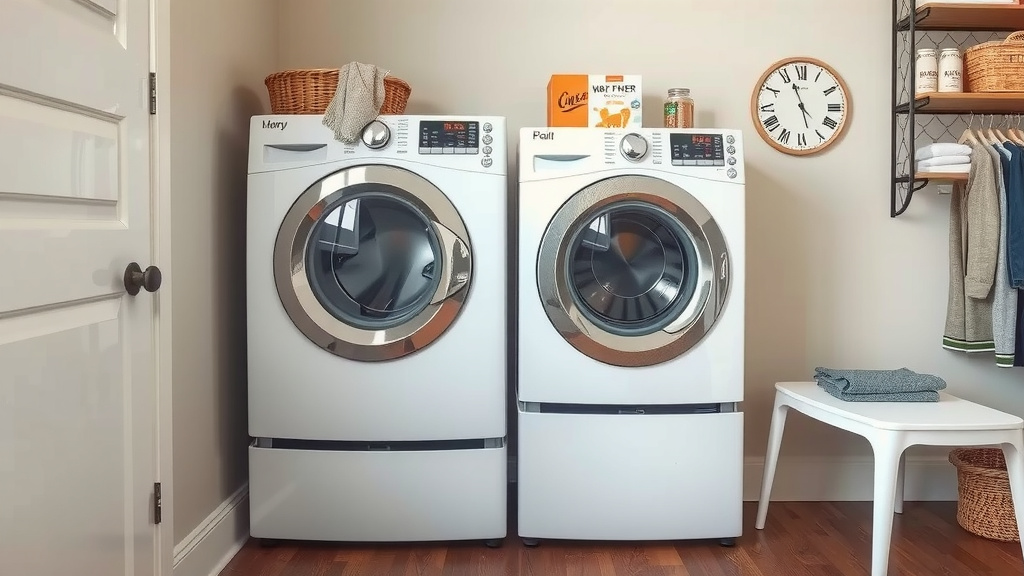
Fast forward to today, and washer dryer combos have undergone a remarkable transformation. They’ve become more popular, especially for people living in smaller homes, apartments, or RVs, where space is at a premium.
Advancements in Technology
Modern combos boast features like steam cycles, advanced sensor drying, and energy-efficient designs. They’ve learned from the past, addressing issues like longer drying times and sometimes wrinkled clothes that plagued earlier models. Many now offer different wash and dry programs tailored to specific fabric types.
We found that today’s units are much better at managing water usage and electricity consumption. Innovations in drum design and airflow have made drying more consistent. The ability to wash and dry a full load in one go, without intervention, is a major convenience that past generations could only dream of.
Why the Popularity?
The appeal is clear: space saving is a big one. If you only have room for one appliance, a combo is a fantastic solution. They also offer a time-saving benefit by eliminating the step of moving clothes. Plus, advancements mean you don’t have to sacrifice performance significantly for this convenience.
For those living in urban environments or smaller dwellings, these machines have become almost essential. They provide the full functionality of a laundry room without requiring the dedicated space. It’s a smart solution for modern living.
Key Milestones in Washer Dryer Combo History
Let’s recap some of the journey that brought us to today’s impressive machines:
- Late 1800s: Early patents and concepts for combined washing and drying.
- Mid-1900s: The first actual integrated units begin to appear, though often bulky.
- 1950s-1960s: Significant development in combining wash and dry cycles into one machine.
- Late 20th Century: Improvements in efficiency, speed, and reliability.
- 21st Century: Advanced features, energy efficiency, and compact designs become standard.
Conclusion
You’ve seen how washer dryer combos have a long and fascinating history. They’ve come a long way from early concepts in the late 1800s to today’s advanced, space-saving units. The dream of simplifying laundry has been around for over a century. Manufacturers continuously improved designs to make them more efficient and convenient for your home. If you’re looking to save space and time, considering a modern combo unit might be your next smart laundry move. Do some research to see which model best fits your needs!
Frequently Asked Questions
When did the first washer dryer combo machines actually start being sold?
While patents and early ideas date back to the late 1800s, commercially viable and integrated washer dryer combos began appearing more consistently in the mid-20th century. Manufacturers really pushed development during the 1950s and 1960s.
Were early washer dryer combos as efficient as separate machines?
Generally, no. Early combined units often had to compromise on efficiency for the sake of combining functions. Drying times could be longer, and capacity might have been smaller compared to dedicated washers and dryers of the same era.
What was the main goal behind inventing washer dryer combos?
The primary goal was always to save space and time. For people living in smaller homes or apartments, having one appliance that could do both jobs was a major convenience compared to needing two separate machines.
How much did early washer dryer combos improve laundry day back then?
They offered a significant improvement by eliminating the need to transfer wet clothes. This saved a substantial amount of manual effort and time, especially for households with many laundry needs, even if the technology was less refined.
Are modern washer dryer combos still making improvements on that century-old idea?
Absolutely! Today’s models incorporate advanced technology like steam cycles and sensor drying to improve efficiency and fabric care. They continue to refine the original concept to offer maximum convenience and performance in a compact design.