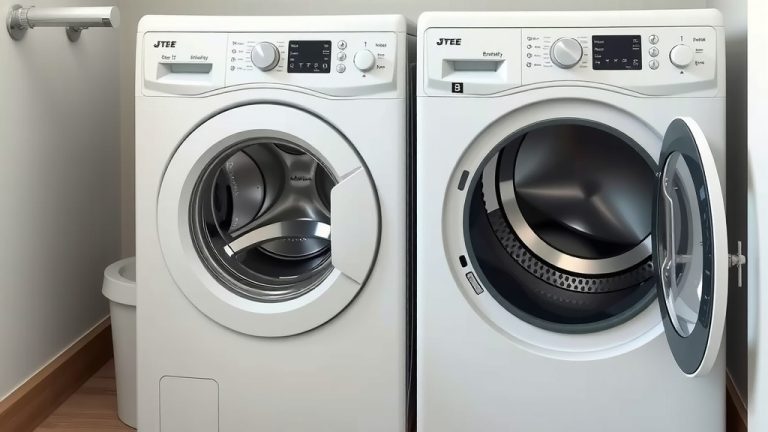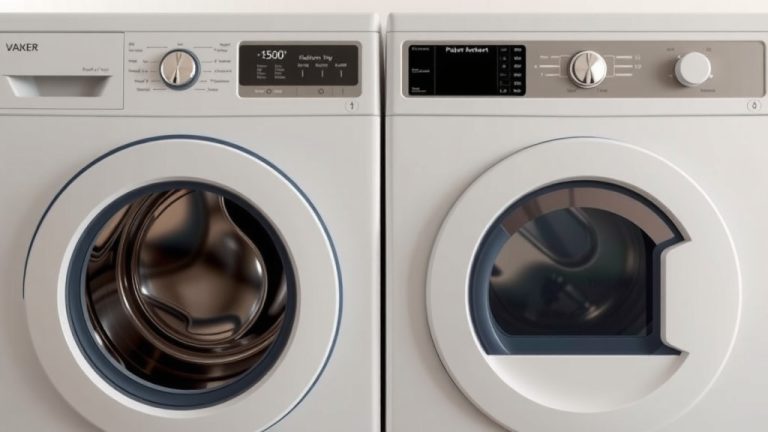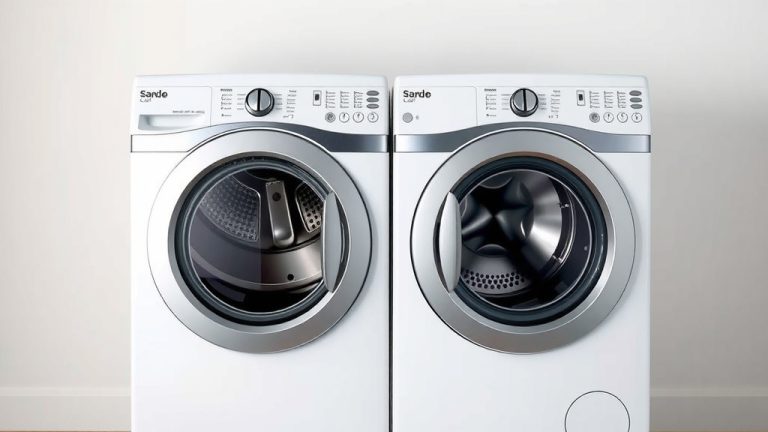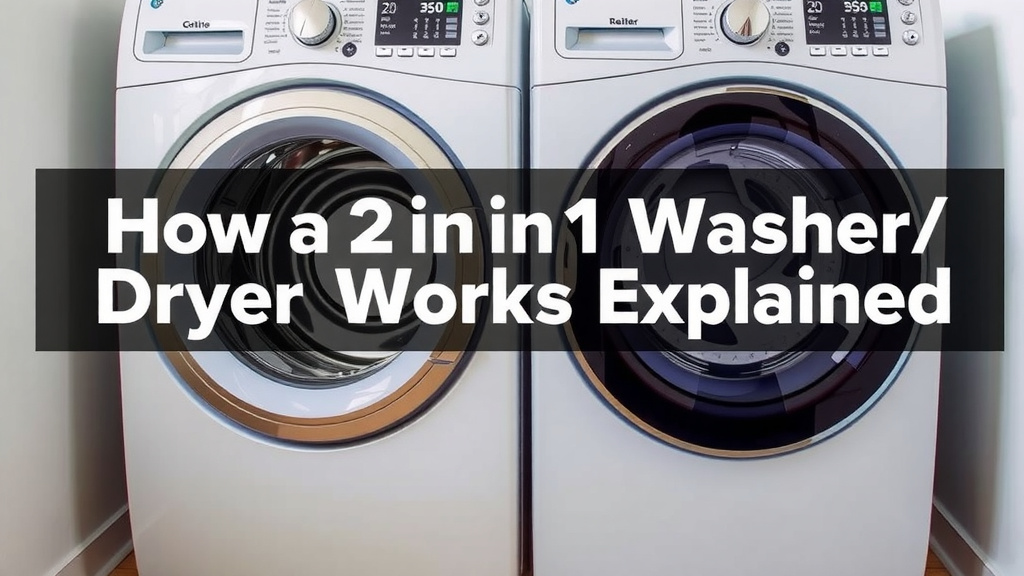
How a 2 in 1 Washer Dryer Works Explained
A 2-in-1 washer and dryer works by using a single drum to perform both washing and drying cycles. You load your laundry, select your settings, and the machine handles the rest. This space-saving appliance is designed for convenience, allowing you to wash and then dry clothes without transferring them. It’s a fantastic solution for smaller homes or anyone looking to simplify their laundry routine.
These combo units combine the functions of a traditional washing machine and a separate clothes dryer into one compact appliance. They are powered by a single motor and heating element, switching between the two functions automatically after the wash cycle is complete. Many users find the convenience of a set-it-and-forget-it laundry process incredibly appealing. Research shows they are becoming increasingly popular for apartment dwellers and those with limited laundry space, offering a practical alternative to bulky, separate machines.
- Two machines in one unit save space.
- You don’t need to move wet clothes.
- It’s convenient for smaller homes.
- Many models offer different wash and dry settings.
Let’s break down exactly how these clever 2-in-1 washer and dryer units get your clothes clean and dry, all in the same place.
Understanding How Your 2-in-1 Washer Dryer Works
So, you’re curious about how those amazing 2-in-1 washer dryer units manage to do both jobs without you lifting a finger to move wet clothes? It’s actually quite clever. These machines use a single drum to wash and then dry your laundry. This means less space needed and less work for you. We found that this combined functionality is what makes them so popular for modern living.
The Washing Phase: Getting Clothes Clean
The process begins just like a regular washing machine. You load your dirty clothes into the drum. Then, you add your detergent and fabric softener, if you use it. Next, you’ll select your wash cycle. This could be for delicates, heavy-duty items, or a quick wash. The machine fills the drum with water.
Water and Detergent Mix
The drum then begins to agitate. This is where the magic of cleaning happens. The clothes tumble around in the soapy water. This action helps to loosen dirt and stains. We found that the tumbling action is key to getting clothes truly clean. Most units mimic the action of traditional washers to ensure effective cleaning.
Rinsing and Spinning
After the wash cycle, the dirty water is drained away. The drum then fills again with clean water for the rinse cycle. This removes any leftover detergent. Multiple rinses might happen depending on the cycle you chose. Finally, the machine spins at high speed. This centrifugal force flings most of the water out of your clothes.
The Drying Phase: From Damp to Dry
Once the wash and spin cycles are complete, the machine automatically transitions to the drying phase. You don’t need to do anything. The same drum that just held your wet clothes will now start drying them.
How the Drying Works
There are a couple of main ways these units dry your clothes. Many use a condenser drying system. This means the machine heats the air and blows it through the drum. As the hot air passes over your damp clothes, it picks up moisture. This moist air is then cooled down. When cooled, the moisture condenses into water. This water is collected in a reservoir or drained away through a hose. This process is energy-efficient and doesn’t require external venting like traditional dryers.
Some higher-end models might use a heat pump system. This is an even more energy-efficient method. A heat pump works by recycling the warm air. It uses refrigerant to heat the air and remove moisture. This method is gentler on fabrics and uses less electricity. We found that heat pump models are often recommended for their long-term cost savings and fabric care.
Temperature and Airflow Control
Throughout the drying cycle, the machine carefully controls the temperature and airflow. This ensures your clothes dry efficiently without overheating or becoming damaged. The drum continues to tumble the clothes. This prevents them from clumping together and helps ensure even drying. It’s like having a little dryer working inside the washer.
Cycle Selection and Advanced Features
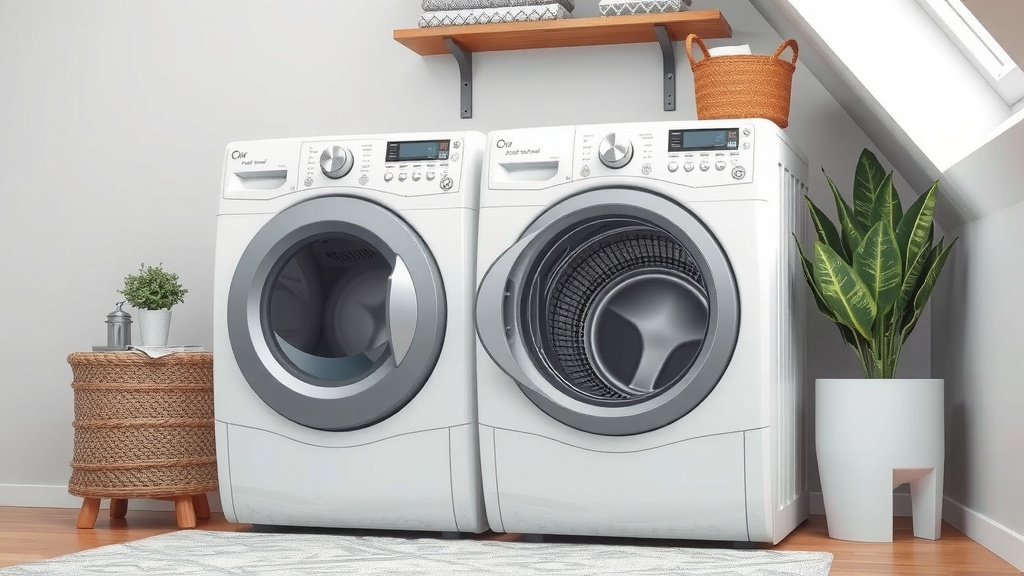
Modern 2-in-1 units offer a variety of settings. You can usually select different wash temperatures and spin speeds. For drying, you can often choose the level of dryness you want. Some models even let you select specific drying programs, like for delicates or ready-to-iron fabrics. We found that understanding these options can really improve your laundry results.
User-Friendly Controls
Most units feature an easy-to-use control panel. You can typically find digital displays that show cycle progress. Many have pre-set programs for common laundry needs. Some even connect to smartphone apps. This allows you to start, stop, or monitor cycles remotely. It’s a convenience many users appreciate.
Special Cycles for Specific Needs
Beyond basic wash and dry, look for specialized cycles. These might include steam functions for sanitizing or refreshing clothes. Some models offer allergen cycles to remove dust mites and pet dander. Many guidelines suggest using steam cycles for a deeper clean (Cleveland Clinic). These extra features add to the versatility of the machine.
What to Consider for Your 2-in-1 Unit
When choosing a 2-in-1, capacity is key. They often have smaller capacities than separate units. This is especially true for the drying cycle. You might need to dry clothes in smaller loads after washing them. Research has shown that overloading can lead to longer drying times and less effective results. Always check the manufacturer’s recommendations.
Here’s a quick checklist to keep in mind:
- Check the drum capacity for both washing and drying.
- Understand the different wash and dry cycle options.
- Consider the energy efficiency rating.
- Think about the space you have available for the unit.
- Read reviews for reliability and user satisfaction.
- Confirm if venting is required or if it’s a ventless condenser or heat pump model.
These machines offer a fantastic blend of convenience and space-saving design. By understanding how they work, you can make the most of your laundry day!
Conclusion
You’ve learned how a 2-in-1 washer and dryer combines washing and drying into one convenient appliance. By understanding the washing phase’s agitation and rinsing, and the drying phase’s condenser or heat pump technology, you can appreciate its efficiency. These machines are fantastic for saving space and simplifying your laundry routine. When choosing one, remember to check capacity and cycle options. Now you’re ready to make an informed decision and enjoy easier laundry days!
Frequently Asked Questions
Do 2-in-1 washer dryers take longer to dry clothes than separate dryers?
Generally, yes, drying cycles on 2-in-1 units can take longer. This is because they use the same drum and often rely on condenser technology, which is less intense than a vented dryer. Research shows that drying smaller loads can help speed up the process and improve results.
Can I wash and dry a full load at once in a 2-in-1?
While you can wash a full load, it’s often recommended to dry smaller loads than you washed. The drying capacity of 2-in-1 units is typically less than their washing capacity. Overloading for drying can lead to longer drying times and damp clothes.
Do 2-in-1 washer dryers need special installation or venting?
Most 2-in-1 washer dryers use a condenser system and do not require external venting. They collect water in a reservoir or drain it away. This makes them ideal for apartments or homes where venting is not possible. Always check the specific model’s requirements.
How do I clean and maintain my 2-in-1 washer dryer?
Regular cleaning involves wiping down the drum and exterior, and cleaning the detergent dispenser. You’ll also need to empty and clean the water reservoir for the condenser, and clean the lint filter frequently. Following the manufacturer’s maintenance guide will ensure your machine runs efficiently.
Are 2-in-1 washer dryers as effective as separate machines?
For most everyday laundry needs, 2-in-1 units are very effective. They provide excellent cleaning and drying capabilities, especially for smaller households or those prioritizing space. Some high-volume users might prefer separate machines for larger loads or faster drying times.