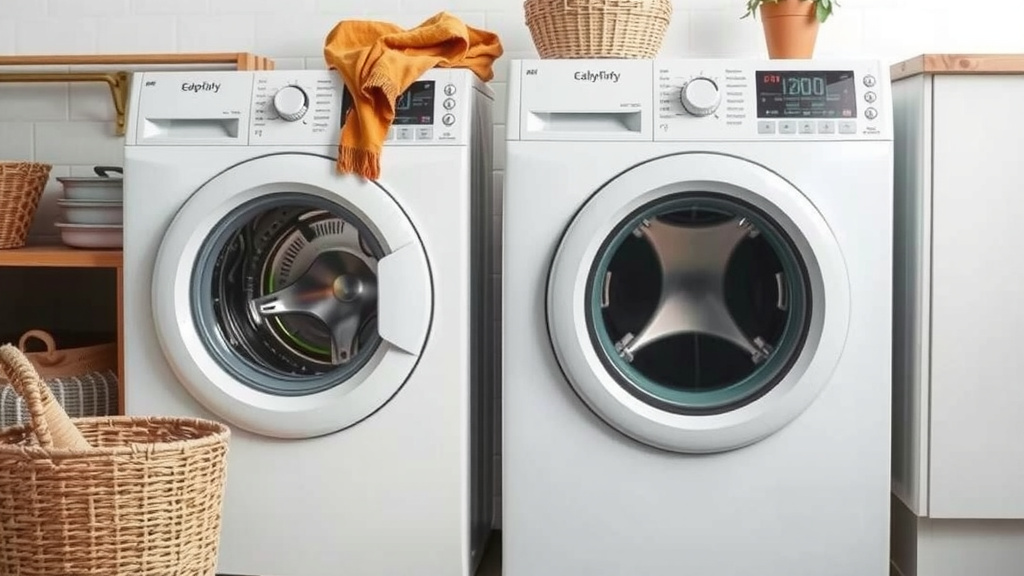
Front Load Washer Lifespan: How Long Should Yours Last
Your front load washer should last about 10-15 years with proper care. This lifespan can vary based on usage, maintenance, and the brand you choose. Newer models may even push past this average.
Many factors influence how long your washing machine keeps spinning effectively. Understanding these can help you get the most out of your appliance. It’s about more than just running cycles; it’s about mindful ownership and timely care to ensure long-term performance.
- Front load washers typically last 10-15 years.
- Regular maintenance is key to extending lifespan.
- Brand and model quality play a role.
- Proper usage habits prevent premature wear.
- Watch for common repair indicators.
Let’s walk through what contributes to your washer’s longevity and how you can help it reach its full potential.
Understanding Your Front Load Washer’s Lifespan
You’ve invested in a front load washer, and you want it to serve you well for years. But what’s a reasonable expectation for its lifespan? We found that most front load washers are designed to last between 10 to 15 years. This range isn’t set in stone, though. Several factors play a big role.
Think of your washer like a trusty car. With good maintenance and careful driving, it can go the distance. Neglect it, and you might find yourself facing repairs sooner than you’d like. Your goal is to maximize its service life, and that starts with understanding what influences it.
Key Factors Affecting Washer Longevity
What makes one washer last longer than another? It’s a combination of the machine itself and how you treat it. Let’s break down the main influences.
Brand and Build Quality
Not all washers are created equal. Some brands are known for their durability and robust construction. We found that manufacturers often use different materials and engineering approaches. High-end models might use stronger motors and sturdier tubs, which can translate to a longer life.
When you’re shopping, look into brands that have a reputation for reliability. Reading reviews can give you a good sense of what real owners experience over time. We found that a slightly higher upfront cost for a well-built machine often pays off in the long run through fewer repairs and a longer service life.
Usage Patterns
How often do you run your washer? A household that does 10 loads a week will put more wear on a machine than one that does two. We found that frequent use naturally means more cycles and more strain on components like the motor, bearings, and suspension.
Even how you load your machine matters. Overloading it can cause the drum to become unbalanced and put extra stress on the suspension system. Likewise, washing very heavy items like large rugs or multiple heavy towels at once can be tough on the motor and frame. It’s about consistent, moderate use.
Maintenance and Care
This is arguably the most controllable factor in your washer’s lifespan. Regular, simple maintenance can prevent minor issues from becoming major repairs. We found that many common washer problems stem from a lack of basic upkeep.
Just like you’d change the oil in your car, small tasks can keep your washer running smoothly. We recommend following the manufacturer’s advice for upkeep. This ensures you’re doing what’s best for your specific model. Your washer will thank you with reliable service for years to come.
Best Practices for Extending Washer Life
So, how can you actively contribute to your front load washer reaching its full potential? It’s all about mindful habits.
Regular Cleaning and Upkeep
Your washer can get grimy over time. This isn’t just about looks; it can affect performance. We found that buildup of detergent, fabric softener, and even mold can lead to odors and impede drainage.
Cleaning the Drum and Gasket
After each wash, it’s a good idea to leave the door slightly ajar. This allows air to circulate and helps prevent mold and mildew growth. We found that wiping down the door seal and gasket regularly with a damp cloth is also essential. Pay special attention to any nooks and crannies where moisture can hide.
Running a Cleaning Cycle
Most front load washers have a self-cleaning cycle or recommend running an empty hot water cycle periodically. We found that using a washing machine cleaner tablet or a cup of white vinegar during this cycle can help remove any internal buildup. Aim to do this once a month or so, depending on usage. Your owner’s manual will provide specific instructions for your model.
Cleaning the Filter and Dispenser
Many front load washers have a filter that catches lint and small debris. This is often located at the bottom front of the machine. We found that checking and cleaning this filter every few months can prevent drainage issues and improve efficiency. Also, make sure to pull out the detergent dispenser drawer and give it a good rinse to remove any clogs.
Proper Loading Techniques
Loading your washer correctly is more than just tossing clothes in. It impacts the balance and the stress on the machine. We found that a balanced load is key to preventing excessive vibration and wear on the suspension.
Don’t stuff the machine to the brim. Clothes need room to tumble freely. When washing heavy items, try to mix them with lighter ones to distribute the weight more evenly. This helps the machine operate smoothly during the spin cycle. Avoid washing single, heavy items like a large comforter by themselves. This can cause significant imbalance.
Using the Right Detergent
Front load washers require specific detergents. We found that these are low-sudsing formulas, often labeled “HE” for High Efficiency. Using regular, high-sudsing detergent can create too much foam. This foam can damage the machine and leave residue on your clothes.
Always use the recommended amount of detergent. Too much can lead to buildup, just like too little can mean clothes don’t get clean. Follow the lines on your detergent cap or scoop. Your owner’s manual will specify the best type and amount for your washer.
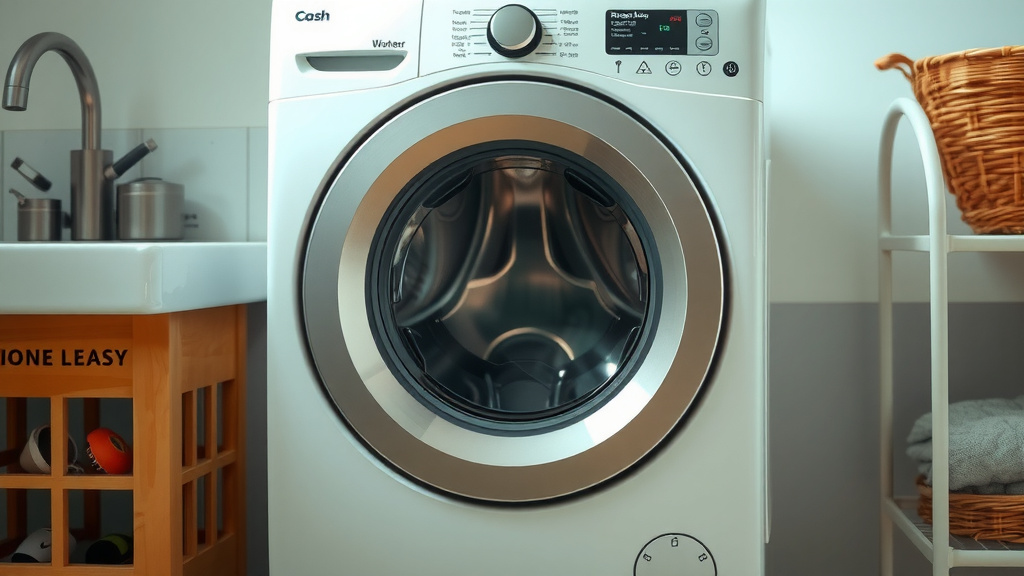
Signs Your Washer Might Need Attention
Even with the best care, washers can develop issues. Being aware of warning signs can help you catch problems early, potentially saving you from a costly breakdown. We found that paying attention to your machine’s behavior is smart.
Here’s a quick checklist of common indicators:
- Unusual Noises: Grinding, clanking, or loud banging during cycles, especially the spin cycle.
- Excessive Vibration: The washer shaking violently or “walking” across the floor.
- Leaking Water: Puddles around the machine, which could indicate a hose issue or seal problem.
- Poor Draining or Spinning: Clothes still soaking wet after the cycle finishes.
- Strange Smells: Musty odors that don’t go away even after cleaning.
- Error Codes: Modern washers often display diagnostic codes on their digital panels.
If you notice any of these, it’s a good time to consult your owner’s manual or call a repair professional. Addressing issues promptly can often prevent more severe damage and extend your washer’s life.
Conclusion
Your front load washer is built to last, often serving your household for 10 to 15 years with attentive care. We’ve found that consistent maintenance, mindful usage, and choosing quality brands are your best allies in achieving this longevity. Simple habits like regular cleaning, proper loading, and using the right detergent can prevent common issues and costly repairs. By paying attention to the signs your washer gives you, you can ensure it continues to perform reliably for years to come. Take these steps today to maximize your appliance’s lifespan and get the most out of your investment.
Frequently Asked Questions
How often should I run a cleaning cycle on my front load washer?
We found that running a cleaning cycle once a month is generally recommended for most front load washers. If you do a lot of heavy-duty laundry or notice any odors, you might benefit from doing it more often. Always check your owner’s manual for specific advice on your model.
What is the biggest mistake people make that shortens their washer’s life?
Overloading the machine is a common mistake we’ve observed. Stuffing too many clothes in can cause imbalance, leading to excessive wear on the motor and suspension system. It also prevents clothes from getting truly clean.
Can I use regular detergent in my front load washer?
No, you should not use regular detergent. Front load washers require low-sudsing, High Efficiency (HE) detergents. We found that regular detergents create too much foam, which can damage internal components and leave residue.
What does it mean if my washer is vibrating excessively?
Excessive vibration often signals an unbalanced load or an issue with the suspension system. If the load is balanced and the vibration persists, it might indicate worn-out shock absorbers or springs. We recommend checking the load first, then consulting your manual or a technician.
Are more expensive front load washers guaranteed to last longer?
While higher-end models often use better materials and construction that can contribute to longevity, there’s no absolute guarantee. We found that even the most expensive machines require proper maintenance and usage to reach their potential lifespan. Brand reputation for reliability is often a better indicator than price alone.