How Front Load Washers Work: A Simple Explanation
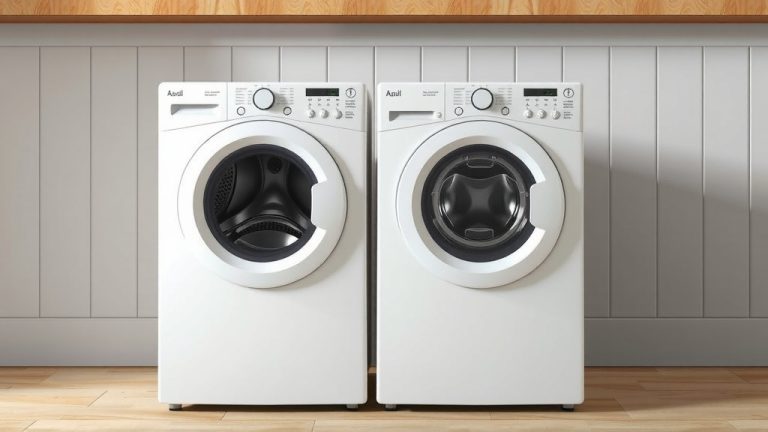
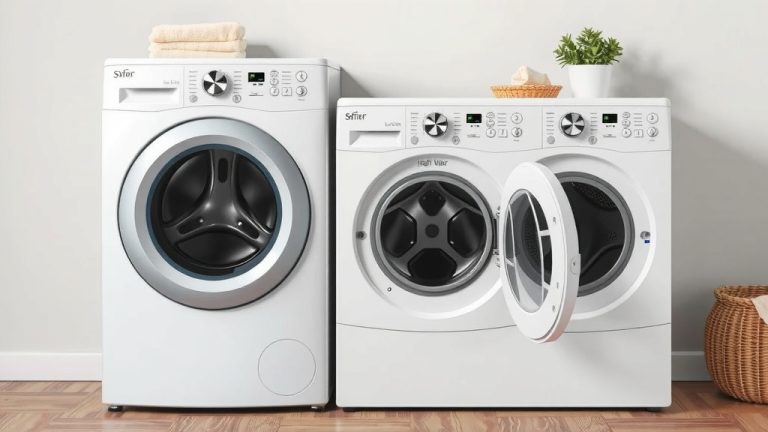
A front load washer works by tumbling your clothes through a small amount of water at the bottom of the drum. This gentle tumbling action combined with a low water level uses less energy and water. You’ll get a fantastic clean while being kinder to your wallet and the planet.
Unlike older top-loading machines that fill the entire tub, front loaders rely on gravity and the drum’s rotation. This design is why they are often considered more efficient and effective. Many research studies show they can also be gentler on fabrics, helping your clothes last longer.
- Front loaders clean clothes by tumbling them in a low-water bath.
- Gravity and drum rotation are key to their washing action.
- They use less water and energy than many other washer types. They use less water and energy than many other washer types, a topic explored in our guide to washing machine costs.
- This method is often gentler on your clothing.
Ready to see how this efficient system keeps your laundry sparkling? Below, we break down exactly how a front load washer works, step by step.
Understanding the Mechanics of Your Front Load Washer
So, how does that sleek front load washer actually get your clothes clean? It’s a clever system that relies on gravity, water, and motion. Instead of churning clothes in a deep pool of water like older machines, it uses a more efficient tumbling action.
The Core Components at Play
Your front load washer has a few key players working together. There’s the outer tub, which holds the water. Inside that is the inner drum, the perforated cylinder where your clothes go. The drum spins and tumbles your laundry. A motor powers the drum’s movement.
The Outer Tub: The Water Keeper
Think of the outer tub as the reliable bodyguard. It’s a sealed container designed to hold water. This tub prevents any leaks from reaching your floor. It’s built to withstand the forces of your washing machine.
The Inner Drum: The Star of the Show
This is where all the action happens. The inner drum has holes so water can flow in and out. Its design allows it to spin and tilt. This tumbling motion is what scrubs your clothes. It’s engineered for thorough cleaning without excessive wear and tear.
The Motor: The Driving Force
The motor is the engine of your washer. It provides the power needed to spin the inner drum. Different cycles require different speeds and directions. Your washer’s control panel tells the motor exactly what to do.
The Washing Cycle: A Step-by-Step Breakdown
Let’s walk through what happens when you press start. It’s a choreographed dance of water and movement designed to tackle dirt and stains. The process is remarkably efficient.
Filling the Drum with Water
First, your washer brings in just enough water. This water typically fills the bottom part of the drum. It creates a shallow pool. This is a big difference from older top-loaders that fill the whole tub. Using less water is better for the environment and your utility bill.
The Tumbling Action: How Clothes Get Clean
Once the water is in, the drum starts to spin. It rotates back and forth. Your clothes are lifted by the drum’s fins. Then, they tumble down through the water. This gravity-assisted cleaning is gentle yet effective. It allows detergent to penetrate fabrics.
The Role of Detergent
As the clothes tumble, the detergent mixes with the water. It works to break down dirt and oils. Modern detergents are formulated to work well with low water levels. This ensures a powerful clean without needing a lot of suds.
Rinsing Away the Suds
After washing, the dirty water drains away. Then, the machine refills with clean water. The tumbling action repeats. This rinses the detergent and loosened dirt from your clothes. Usually, there are two or more rinse cycles.
The Spin Cycle: Removing Excess Water
This is where your washer really goes to town. The drum spins at very high speeds. This creates a strong centrifugal force. It pushes water out of your clothes. The water exits through the holes in the drum. It then drains out of the machine. This high-speed spin removes a lot of water. It means your clothes will be much drier. They’ll take less time to dry in your dryer or on a line.

Why Front Loaders Excel: Efficiency and Fabric Care
Many studies have shown that front load washers offer distinct advantages. They often use less energy and water compared to other types of washers. They also tend to be gentler on your clothing.
Water and Energy Savings
The lower water level is the primary reason for savings. Heating less water uses less energy. Less water also means less water to pump. Organizations like Energy Star highlight these savings. They recommend front load washers for their eco-friendly design.
Gentle on Fabrics
Unlike agitator models that can twist and pull clothes, front loaders use tumbling. This method is much less harsh. Many experts note this. It helps clothes maintain their shape and color. Research has found they can extend the life of your garments. This means your favorite shirts and jeans might last longer.
Here’s a quick look at what makes them so efficient:
- Low water usage means less waste.
- Gravity does much of the cleaning work.
- High-speed spin cycles remove more water.
- Tumbling action is less damaging to fabrics.
- Better for your budget and the planet.
A Comparison of Washing Actions
It helps to see the differences clearly. Let’s look at how a front loader washes compared to a traditional top-loader with an agitator.
| Feature | Front Load Washer | Traditional Top Load Washer (with agitator) |
|---|---|---|
| Water Level | Low, fills bottom of drum | High, fills entire tub |
| Washing Action | Tumbling (gravity assisted) | Agitation (clothes rub against center post and each other) |
| Water Use | Lower | Higher |
| Energy Use | Lower (less water to heat) | Higher |
| Fabric Care | Gentler | Can be harsher |
As you can see, the tumbling method in front loaders is a key factor. It allows for thorough cleaning with less strain on your clothes. Plus, the water and energy savings add up over time. It’s a smart choice for most households!
Conclusion
You’ve seen how your front load washer uses a gentle tumbling action and gravity to get clothes clean. This efficient design requires less water and energy, making it a smart choice for both your budget and the planet. Unlike older machines, it’s also kinder to your fabrics, helping your favorite clothes last longer. Now that you understand the mechanics, you can appreciate the technology behind your sparkling laundry. Ready to experience these benefits firsthand? Consider checking the latest Energy Star ratings when you’re ready for your next washer purchase.
Frequently Asked Questions
Why do front load washers use so little water?
Front load washers use low water levels because the tumbling action relies on gravity. The clothes tumble through a small amount of water at the bottom of the drum. This is a fundamental difference from older top-loaders that fill the entire tub.
Can a front load washer really clean clothes without much water?
Yes, they can. Research and modern detergent formulations show that the tumbling action combined with detergent effectively lifts dirt. The low water level means the detergent can concentrate its cleaning power directly on the fabrics.
How does the spinning in a front load washer work?
During the spin cycle, the inner drum rotates at very high speeds. This centrifugal force pushes water out of your clothes and through the drum’s perforations. The water then drains out of the machine, leaving clothes much drier.
Are front load washers more expensive to buy?
While the initial purchase price can sometimes be higher, front load washers often save you money in the long run. Their superior water and energy efficiency lead to lower utility bills. Many studies show these savings can offset a higher upfront cost over time.
Why are front loaders considered gentler on clothes?
The gentle tumbling action doesn’t twist or pull fabrics like a central agitator in some top-loaders. This method is less abrasive. Studies have found this leads to less wear and tear, helping your garments maintain their color and shape longer.