How Much to Load Your Front Load Washer For Best Results
To properly load your front load washer, you should aim to fill it about 80% full, ensuring clothes can tumble freely. This means not cramming it too tight, as a stuffed machine won’t clean effectively. Overloading can lead to poor rinsing and machine strain.
Understanding how much laundry to add is key to getting clothes clean. A washer that’s too empty wastes water and energy. Conversely, an overstuffed machine can leave clothes dingy and might even damage your appliance over time. We’ve found that proper loading makes a big difference.
- Load your washer about 80% full.
- Don’t pack clothes in too tightly.
- Allow clothes to tumble freely.
- Avoid overstuffing for best results.
Let’s walk through exactly how to get that perfect load size for your front loader.
“`htmlHow Full Should You Pack Your Front Load Washer?
Getting the load size just right for your front loader is more art than science. You want enough clothes to create friction for cleaning. But too many, and everything gets cramped. We found that aiming for about 80% capacity is the sweet spot.
Think of it like a crowded elevator. If it’s packed shoulder-to-shoulder, nobody can move freely. Your clothes need room to tumble and get properly saturated with water and detergent. Cramming them in means some items might just sit on top, untouched by the cleaning action. Many washing machine manufacturers suggest leaving about a hand’s width of space at the top of the drum.
The Importance of Proper Load Size
Why does this matter so much? Well, a properly loaded washer performs better. It ensures an even distribution of clothes. This allows water and detergent to reach every garment. It also helps prevent excessive wear and tear on your machine.
Cleaning Performance
When your washer is too full, detergent can’t circulate effectively. This leads to clothes coming out less clean. You might notice lingering odors or visible stains. Plus, the rinse cycle struggles to remove all the soap. This can leave your laundry feeling stiff or even irritating your skin.
Machine Longevity
An overloaded machine puts undue stress on the motor and drum. Imagine trying to spin a super heavy load. It’s tough on the mechanics. Over time, this can lead to premature breakdowns. A properly balanced load is much gentler on your appliance.
Water and Energy Efficiency
Using a washing machine that’s too empty is also a missed opportunity. You’re using water and energy for just a few items. A medium or large load, when packed correctly, makes much better use of resources. It’s a win-win for your wallet and the environment. We found that running fewer, fuller loads can lead to noticeable savings.
What Does “80% Full” Actually Look Like?
This is where the visual aspect comes in. It’s not about filling every single inch. Instead, it’s about giving items space. Imagine filling the drum loosely with your dry laundry. Now, picture adding just a few more items. That’s about right. You should still see some of the drum’s interior.
The “Tumble Test”
A great way to check is to visualize the tumbling action. If you were to start a cycle, could your clothes move around easily? Could a single sock do a full somersault? If your items are tightly packed and can’t easily shift, it’s likely too full. Research from appliance experts often points to this free movement as essential for effective washing.
Different Fabric Types and Load Sizes
Heavier items like towels and jeans take up more space and weight. You’ll need to load fewer of these than you would lightweight items like t-shirts or delicates. It’s a bit like packing a suitcase. You can fit more socks than sweaters.
| Item Type | Approximate Drum Fill |
|---|---|
| Lightweight Clothing (T-shirts, underwear) | Up to 80% full |
| Towels, Bedding | Around 60-70% full (they’re bulky!) |
| Jeans, Heavy Fabrics | Around 70-75% full |
| Mixed Load | Aim for that 80% mark, ensuring items can move |
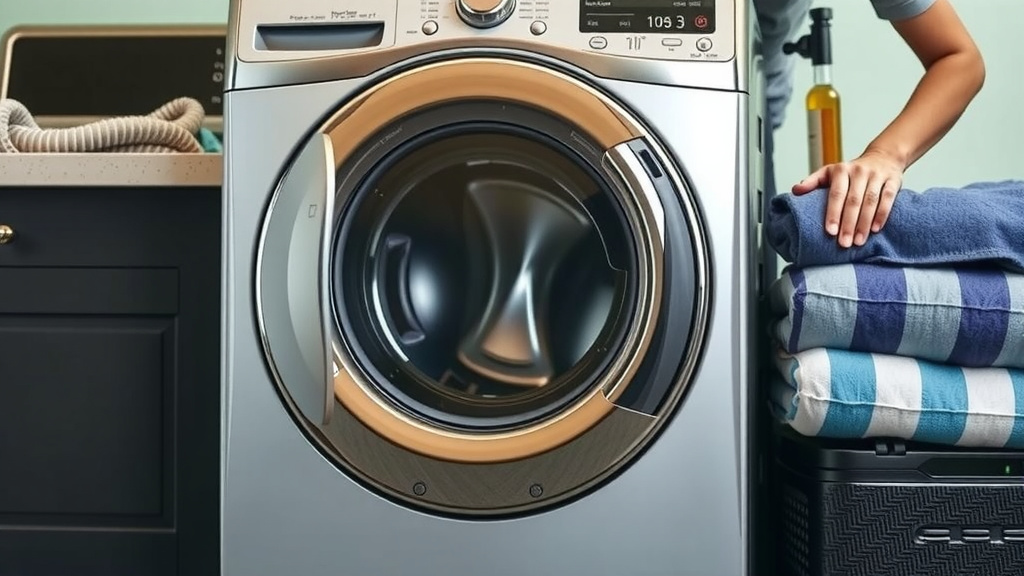
Common Loading Mistakes to Avoid
Many people inadvertently overstuff their machines. It’s a common habit. Let’s look at what to steer clear of.
The “Cram-It-In” Method
This is when you literally push and shove clothes down. You can’t see much of the drum at the end. This is the number one sign of an overloaded machine. Remember, your clothes need room to breathe and move.
Ignoring Bulky Items
Wash bulky items like comforters or large blankets separately. They absorb a lot of water and can unbalance the load. They also take up a significant amount of space. Trying to wash them with regular items often leads to poor cleaning for both. Many manufacturers suggest checking your owner’s manual for specific guidance on bulky items.
Not Distributing Weight Evenly
Even if the load isn’t technically “too full,” having too many heavy items on one side can be an issue. This can cause the machine to vibrate excessively during the spin cycle. Try to spread out heavier items around the drum. Many experts recommend a balanced load for optimal performance.
Your Front Load Washer Loading Checklist
To help you get it right every time, keep this simple checklist handy:
- Ensure clothes are loose, not tightly packed.
- Leave about a hand’s width at the top of the drum.
- Check that items can tumble freely.
- Avoid overstuffing, especially with heavy items.
- Distribute weight evenly within the drum.
- Consult your manual for special item guidance.
Conclusion
You’ve learned that the sweet spot for loading your front load washer is about 80% full. This allows your clothes the freedom to tumble effectively, ensuring a cleaner wash and better rinsing. Remember, overstuffing your machine can lead to dingy clothes and potential damage. By following the simple checklist and visualizing that free tumbling action, you’ll get the best performance from your appliance. Start implementing these loading tips with your next load for noticeably cleaner laundry.
Frequently Asked Questions
Can I wash just one or two items in my front load washer?
While it’s tempting to run a small load, it’s generally less efficient. A very small load uses the same amount of water and energy as a larger, properly filled one. We recommend waiting until you have enough items to reach that 80% loosely filled drum for optimal results.
What happens if I pack my front load washer too tightly?
When your washer is too packed, clothes can’t move freely, which hinders the cleaning process. Detergent may not circulate properly, and rinsing can be ineffective, leaving clothes less clean and potentially stiff. It also puts extra strain on your machine’s motor and drum over time.
How can I tell if I’m overloading my machine with bulky items like towels or blankets?
Bulky items absorb a lot of water and take up significant space. If you’re struggling to fit more than a few towels or one large blanket, you’re likely close to the 60-70% fill mark, which is appropriate for them. Ensure there’s still visible space in the drum and that items aren’t being forced in.
Does the type of detergent matter when loading my washer?
The type of detergent you use (like HE for high-efficiency machines) is important, but how you load your washer affects its performance regardless of the detergent. Proper loading ensures that whatever detergent you use can circulate effectively to clean all your clothes.
What if my front load washer shakes a lot during the spin cycle?
Excessive shaking often indicates an unbalanced load. This can happen if too many heavy items are on one side of the drum, or if the load is simply too full and items can’t distribute evenly. Try redistributing your clothes to create a more balanced load before starting the wash.