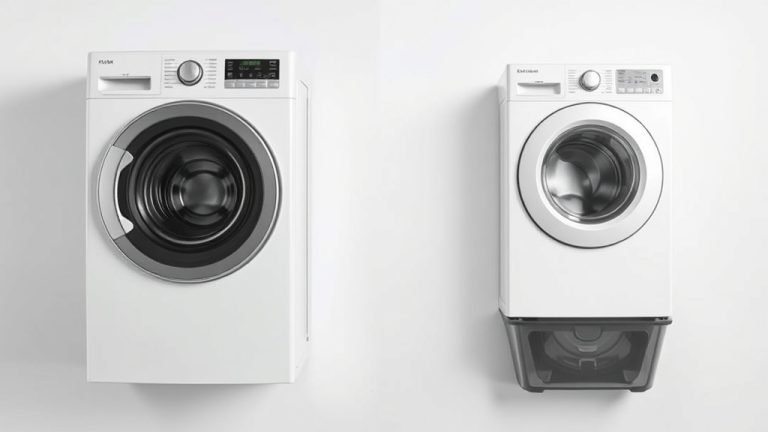
Front Load Washer Fill Guide: How Full Is Too Full?
You should never fill your front load washer completely full. Leaving about an inch of space at the top ensures your clothes can tumble freely and get properly clean. Overfilling can lead to poor washing performance and even damage your machine.
Many people wonder if a full load is actually the best load. We found that most front load washers work best when they are about two-thirds full. This allows water and detergent to circulate effectively through the garments. A properly loaded machine also helps prevent unnecessary wear and tear on its components.
TL;DR:
- Don’t stuff your washer!
- Leave about an inch of space at the top.
- Aim for a two-thirds full load for best results.
- Overfilling means dirtier clothes and potential machine damage.
Let’s walk through exactly how to get that perfect load size every time to ensure your laundry comes out sparkling.
“`htmlLoading Your Front Load Washer Correctly
So, you’ve got a pile of laundry and a trusty front load washer. But how much is too much? We know it’s tempting to cram it all in to save time. However, stuffing your machine can actually lead to less clean clothes and more problems down the line. The sweet spot for most front load washers is actually around two-thirds full.
Why You Should Never Fill It To The Brim
Think of your washing machine like a gentle hug for your clothes, not a wrestling match. Front load washers work by tumbling clothes through water. If your machine is too full, the clothes can’t move freely. This means water and detergent won’t reach every corner of the fabric. You might end up with spots that are still dirty or have detergent residue.
The Movement Matters
Proper movement is key to getting clothes clean. When clothes can tumble, they rub against each other. This friction helps lift dirt and grime away from the fabric. Overloading prevents this essential tumbling action. It’s like trying to wash a single sock in a full bathtub; it just doesn’t get properly scrubbed.
Wear and Tear on Your Machine
Beyond cleaning performance, overfilling puts extra strain on your washing machine. The motor has to work harder to agitate a heavy, overloaded drum. This can lead to premature wear on the motor and other components. We found that consistently overloading your washer can shorten its lifespan (Consumer Reports).
What Does “Two-Thirds Full” Actually Look Like?
Visualizing “two-thirds full” can be a bit tricky. Imagine your washing machine’s drum. You want enough space so that if you reached in, you could still easily move your hand around. It’s not about seeing a lot of empty space, but rather ensuring there’s enough room for your clothes to agitate and tumble.
The “Hand Test”
A simple way to check is the “hand test.” After you load your clothes, try to slide your hand vertically into the drum. You should be able to fit your hand in with some ease. If it feels like you’re forcing your hand in, or if there’s barely any space, your load is likely too full. You want about an inch or two of clearance at the top.
Different Load Sizes
What constitutes a “two-thirds full” load will vary depending on the size of your washer and the items you’re washing. A load of bulky towels will take up more space than a load of t-shirts. It’s more about the volume and space the clothes occupy, not just the number of items.
The Impact of Water and Detergent
Front load washers are designed to use less water than older top-loading models. This is great for saving water and energy. However, it also means the water-to-clothes ratio is more critical. Too many clothes mean not enough water can circulate to effectively dilute and rinse away the detergent.
Detergent Overload is Also a Problem
Just like overloading clothes, using too much detergent is also a common mistake. When you have a very full load, you might be tempted to add extra detergent to compensate. This can cause problems. Too much detergent can leave a residue on your clothes, making them feel stiff or look dull. It can also create too many suds, which can actually hinder the cleaning process and even damage your machine over time (Procter & Gamble).
A Quick Guide to Load Sizes
To help you get it right, here’s a simple breakdown:
- Small load: About one-third full. Best for a few delicate items or lightly soiled clothing.
- Medium load: About half full. Suitable for moderately soiled clothes or mixed loads.
- Large load: Aim for two-thirds full. This is your standard “normal” load for everyday items.
- Extra Large load: Still no more than two-thirds full! If you have a lot of laundry, it’s better to run two large loads than one overloaded one.
Understanding Your Specific Washer’s Capacity
Every washing machine is different. Your washer’s manual is your best friend here. It will often provide guidelines on load sizes and maximum capacities. These recommendations are based on testing done by the manufacturer. They know their machine best!
Consulting Your Manual
If you’ve lost your manual, don’t worry. Most manufacturers have them available online. A quick search for your washer’s model number should bring it right up. Look for sections on “Operating Instructions” or “Capacity.” You might be surprised at what you learn!
Common Mistakes to Avoid
Beyond simply overfilling, there are a few other common laundry loading mistakes:
- Mixing very heavy items with very light ones.
- Not closing zippers or fastening hooks, which can snag other clothes.
- Leaving clothes in the machine for too long after the cycle ends, leading to mildew.
Your Laundry Checklist for Success
Let’s recap the key points to ensure you’re loading your front load washer like a pro:
- Check the drum: Never fill it past two-thirds capacity.
- Use the hand test: Ensure you can fit your hand vertically with space.
- Read your manual: Know your specific washer’s limits.
- Sort your laundry: Group similar fabric types and weights together.
- Don’t overdo detergent: Follow the recommended amount for your load size.
- Empty promptly: Remove clothes as soon as the cycle finishes.
Conclusion
You’ve learned that stuffing your front load washer is a common mistake that leads to less clean clothes and potential machine damage. Remember, the sweet spot is about two-thirds full, leaving an inch or two of space for proper tumbling. This allows water and detergent to circulate effectively, giving your clothes the best clean possible without stressing your machine. By using the simple “hand test” and consulting your washer’s manual, you’re well on your way to achieving perfectly clean laundry every time. Make it a habit to check your load size before starting each wash cycle for optimal results.
Frequently Asked Questions
What happens if I put too many clothes in my front load washer?
Overfilling your front load washer means clothes can’t tumble freely. This prevents water and detergent from reaching all areas of the fabric, leaving some items less clean. It also puts extra strain on your machine’s motor and components, potentially shortening its lifespan.
Can I fill my front load washer all the way to the top?
No, you should never fill your front load washer all the way to the top. Leaving about an inch or two of space at the very top of the drum is essential. This clearance ensures your clothes have enough room to move and agitate properly during the wash cycle.
How do I know if my load is too heavy for my front load washer?
A good rule of thumb is the “hand test.” After loading your clothes, try sliding your hand vertically into the drum. If you can fit your hand in easily with some space, your load is likely just right. If you struggle to fit your hand or there’s very little room, your load is probably too full.
Does load size affect how much detergent I should use?
Yes, absolutely. Using too much detergent with a very full load is a common issue. You should always follow the detergent manufacturer’s recommendations based on your load size and the soil level of your laundry. Too much detergent can lead to residue and poor rinsing.
Is it better to do a smaller load or an overloaded one?
It is always better to run a smaller or medium load than to overload your washing machine. If you have a large amount of laundry, it’s more efficient and better for your machine to run two properly sized loads. This ensures your clothes get clean and your washer stays in good condition.