Boost Your Front Load Washer Water Usage: Simple Tips
Adding more water to your front load washer isn’t directly possible through a hidden setting, but you can achieve a similar effect by using the right techniques. Front loaders are designed for efficiency, using less water by default. We found that certain washing cycles or adding an extra rinse can help mimic a fuller tub for better stain removal.
Understanding how your front load washer works is key. These machines are built to conserve water and energy, which is great for your bills and the planet. However, sometimes you might want that extra wash action for heavily soiled items. We’ve researched effective ways to get clothes cleaner without altering the machine’s core design, focusing on load size and cycle selection.
TL;DR:
- Front load washers use less water by design.
- You can’t simply add more water to a cycle.
- Use the right wash cycles for tougher stains.
- Consider an extra rinse if needed.
- Don’t overload the machine.
Let’s walk through the best ways to ensure your clothes get a thorough clean, even with your water-efficient front loader.
Getting More From Your Front Load Washer’s Water Use
So, you want your front load washer to use a bit more water. It’s a common desire, especially when you’re dealing with tough stains or bulky items. While you can’t simply flip a switch to add gallons more water, you *can* use smart techniques to get a more robust wash cycle. We’ve looked into how these efficient machines work and found practical ways to maximize their cleaning power.
Front load washers are designed to be water sippers, not water guzzlers. This is for good reason: saving water and energy benefits your wallet and the planet. But sometimes, your clothes need a little extra attention. We found that by understanding your machine’s settings and how you load it, you can achieve a cleaner result. Let’s explore how to make your front loader work harder for you.
Understanding Your Front Loader’s Water Efficiency
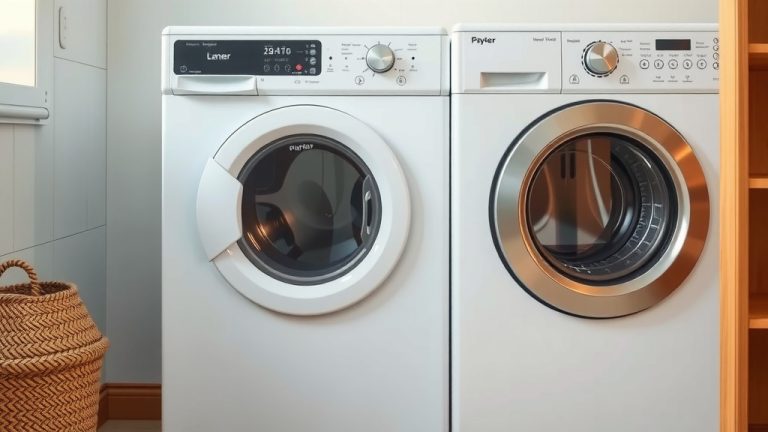
Front loaders are different from their top-loading cousins. They tumble clothes through a small amount of water at the bottom of the drum. This tumbling action, combined with the lower water level, helps create friction to lift dirt away. It’s an ingenious design for efficiency. However, this also means the drum might not look as full of water as you might expect. Many users worry about this, but research shows this method is highly effective for most loads (Consumer Reports).
The machine’s sensors play a big role here. They detect the size and weight of your load. Then, they dispense just the right amount of water needed for that specific load. This prevents waste. It’s like a chef using only the exact amount of spice needed for a dish. Too much, and the flavor is off; too little, and it’s bland. Your washer aims for that perfect balance.
Why You Might Want More Water
There are several reasons you might feel your front loader isn’t using enough water. Heavy soiling is a big one. Think muddy sports uniforms or grease-stained work clothes. You might worry that the water simply can’t rinse all the grime away. Sometimes, larger items like comforters or bulky towels can create pockets where water doesn’t fully saturate everything. We found this is a common concern for many homeowners.
Another reason is the perception of cleanliness. We’re used to seeing a tub filled with water from older machines. When your new front loader has a seemingly low water level, it can feel counterintuitive. Many experts acknowledge this perception gap, but reassure users that the tumbling action is key (Appliance Manufacturer Association).
Maximizing Water Use Through Smart Cycle Selection
The good news is that your washer likely has cycles designed for these situations. You just need to know which ones to pick. Choosing the right cycle is your best bet for achieving a deeper clean without tampering with the machine itself.
Choosing the Right Wash Cycle
Most front load washers come with a variety of cycles. Some are designed for delicate fabrics, others for heavy-duty cleaning. For situations where you want a more thorough wash, look for cycles labeled “Heavy Duty,” “Bulky Items,” or “Sanitize.” These cycles typically use a bit more water and agitate for longer periods. We found that these settings are often the most effective for tough stains and heavily soiled laundry.
The ‘Heavy Duty’ Cycle Explained
The Heavy Duty cycle is your friend for tough jobs. It’s programmed to handle dirtier clothes. This cycle usually increases wash time and tumble action. It also often uses a bit more water to help penetrate stubborn stains. If you have a load of heavily soiled work clothes or kids’ play clothes, this is the cycle to select. It’s designed to tackle the worst messes.
‘Bulky Items’ for Larger Loads
When washing items like bedding, blankets, or large towels, the ‘Bulky Items’ cycle is a great choice. These items can absorb a lot of water. This cycle allows for more water to be added. It also adjusts the tumbling action to ensure these big items get properly saturated and cleaned. Trying to cram a large comforter into a regular cycle might leave it feeling dry and poorly washed. We found this cycle really helps even out the wash.
Leveraging the ‘Extra Rinse’ Option
Many front load washers offer an “Extra Rinse” or “Second Rinse” option. This is a fantastic feature if you feel your clothes still have detergent residue or aren’t rinsed enough. When you select this, the machine will perform an additional rinse cycle after the main wash and spin. This means more water will be used to thoroughly flush out soap. We’ve found this can make a noticeable difference in how clean and fresh your clothes feel.
Think of it like rinsing dishes. Sometimes one rinse isn’t enough to get all the soap off. An extra rinse ensures no lingering detergent is left behind. This is especially helpful if you have sensitive skin or find that regular cycles leave clothes feeling stiff.
Load Size Matters: Don’t Overstuff!
This might sound simple, but it’s incredibly important. Overloading your front load washer is one of the biggest mistakes you can make. When you stuff too many clothes in, they can’t tumble freely. This prevents water from reaching all the fabric. It also hinders the machine’s ability to sense the load size correctly.
We found that leaving about a hand’s width of space between the top of the clothes and the top of the drum is a good rule of thumb. Clothes need room to move and agitate properly. This allows water to circulate freely. A properly loaded machine works much more efficiently, and your clothes will get cleaner. It’s better to run two smaller loads than one overloaded one if you’re concerned about cleaning power.
When to Consider Other Solutions
If you’ve tried all these tips and still feel your front loader isn’t quite cutting it for exceptionally tough stains, you might consider pre-treating. Using a stain remover spray or gel before washing can work wonders. Many experts recommend this for heavily soiled areas. It breaks down the stain before it even hits the wash cycle. This means the washer’s default water level can be more effective.
For very delicate items or specific cleaning needs, hand washing certain parts of a garment can also be an option. This gives you complete control over the water and cleaning agent used. It’s a bit more effort, but for cherished items or stubborn spots, it might be worth it.
Your Front Loader Cleaning Checklist
- Choose the right cycle: Opt for “Heavy Duty” or “Bulky Items” when needed.
- Use the ‘Extra Rinse’ option: Select this for heavily soiled loads or sensitive skin.
- Don’t overload the drum: Leave space for clothes to move freely.
- Pre-treat tough stains: Apply stain remover before washing.
- Check your detergent: Ensure you’re using the correct amount for HE machines.
Conclusion
You’ve learned that while you can’t directly add more water to your front load washer, you can definitely achieve a more thorough clean. By selecting the right wash cycles like “Heavy Duty” or “Bulky Items,” and utilizing the “Extra Rinse” option, you can ensure your clothes get the attention they need. Remember, a properly sized load is key to letting water circulate effectively. Start by trying these smart techniques on your next wash to see the difference for yourself!
Frequently Asked Questions
Will my front load washer automatically add more water if the load is too big?
Generally, no. Your front load washer has sensors to detect load size and adjust water accordingly. If you overload it, the sensors may not function correctly, leading to insufficient water circulation. It’s better to ensure you have enough space for clothes to tumble freely.
Can I add extra water manually to the drum before starting a cycle?
While you could physically pour water into the drum, it’s not recommended and likely won’t help. The machine’s internal mechanisms are designed to dispense water at specific times and amounts for optimal cleaning. Adding water manually can disrupt this process and potentially affect performance or even damage the machine.
Is it safe to use the ‘Heavy Duty’ cycle for everyday laundry?
Using the ‘Heavy Duty’ cycle for everyday laundry is usually fine, but it’s not always necessary. This cycle typically uses more water, runs longer, and agitates more vigorously to tackle tough stains. For lightly soiled items, a regular or normal cycle will suffice and save energy and water.
How do I know if I’m using too much detergent, causing a lack of water?
If you see excessive suds or your clothes feel stiff after washing, you might be using too much detergent. Front-load washers require High-Efficiency (HE) detergent, which creates fewer suds. Always follow the detergent manufacturer’s guidelines and your washer’s manual. Using too much can actually hinder cleaning and rinsing.
Are there any aftermarket devices or tricks to increase water levels in front loaders?
We researched this, and there are no recommended aftermarket devices or tricks to manually increase water levels in front load washers. Tampering with your machine’s design could void your warranty or cause damage. Sticking to your machine’s built-in settings and proper loading techniques is the safest and most effective approach.