Front Load Washer Water Levels: What’s Normal
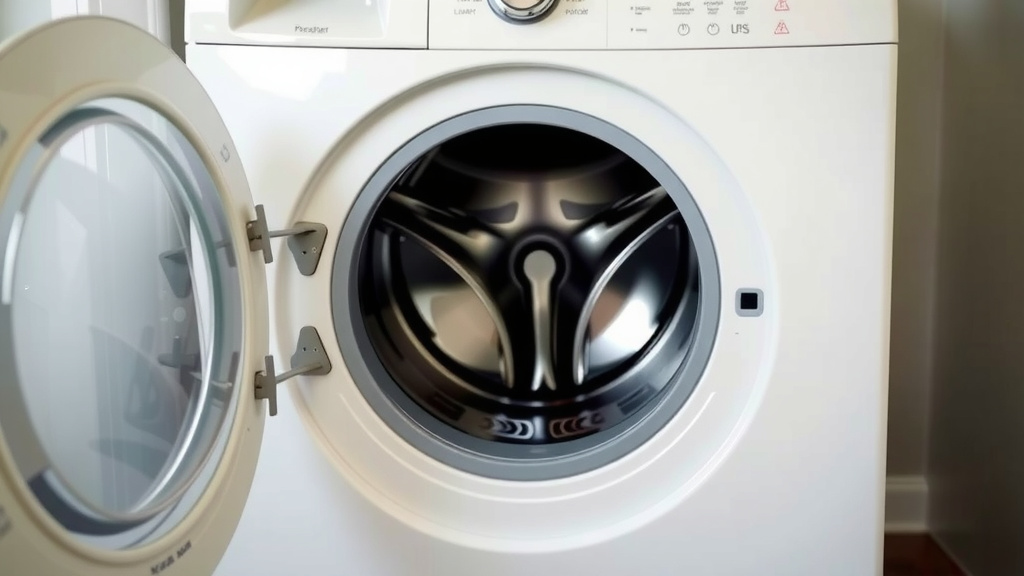
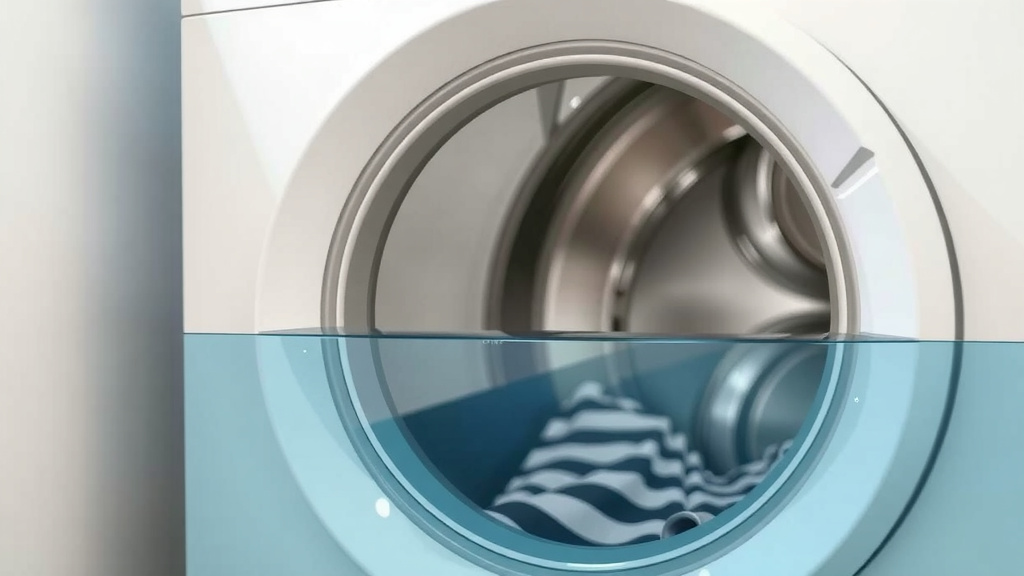
Wondering if your front load washer has enough water? Don’t stress! A front load washer should not have a lot of standing water. You’ll typically see only a small puddle at the bottom of the drum, if any. This is by design for efficient cleaning.
This low water level is a key feature that helps save water and energy. It might seem strange at first, especially if you’re used to older top-load machines. But this efficient water usage is how front loaders get clothes clean with less water.
- Front load washers use less water than traditional machines.
- You won’t see a tub full of water like in older models.
- A small amount of water or a damp drum is normal.
- This design helps clothes rub against each other for cleaning.
- It’s all about efficiency and saving resources.
Let’s take a closer look at why your front load washer operates this way and what you should expect to see inside. We’ll break down the normal water levels and what they mean for your laundry.
Understanding Water Levels in Your Front Load Washer
So, you’ve checked your front load washer and noticed there isn’t a ton of standing water. You might be thinking, “Is it broken?” Not at all! In fact, this is exactly how it’s designed to work. Front load washers use a much lower water level than older top-load machines. This is a key part of their efficiency. You’ll typically see just a small puddle at the bottom, or maybe even just a damp drum. This might seem a little strange at first, but it’s a smart design choice.
Why So Little Water? It’s All About Efficiency
The main reason for the low water level is simple: water and energy conservation. Front load washers are built to be incredibly efficient. They use significantly less water per load. This means your utility bills could see a nice little dip! Research from the Department of Energy shows that Energy Star certified front load washers use at least 33% less water than standard top load washers (Energy Star). This is a big difference when you think about how often you do laundry.
The Cleaning Mechanism: How It Works
Instead of relying on a tub full of water to lift and tumble clothes, front load washers use a different method. The drum rotates, lifting the clothes and then dropping them into the shallow water at the bottom. This action, along with the detergent, helps create friction between your clothes. This rubbing action is what actually loosens and removes dirt and stains. It’s like a gentle massage for your laundry!
What’s a “Normal” Water Level?
Let’s get specific about what you should expect to see. A typical front load washer will have water that covers about one-quarter to one-third of the drum’s depth. Sometimes, especially in smaller loads or with highly absorbent fabrics, the water might not even be visible. You might just see a dampness on the clothes and the inside of the drum. This is perfectly fine and means the machine is working as intended. Don’t pour more water in yourself!
Don’t Add Extra Water!
Resist the urge to manually add more water to the drum. Doing so can actually interfere with the washing cycle and the machine’s sensors. The washer is programmed to use a specific amount of water for optimal cleaning. Too much water can dilute the detergent and prevent the clothes from rubbing together effectively. This could lead to less clean clothes and potentially oversudsing.
Comparing Water Usage: Front Load vs. Top Load
To really understand the difference, let’s look at the numbers. A standard top load washer might use anywhere from 30 to 45 gallons of water per load. In contrast, a high-efficiency front load washer can use as little as 10 to 15 gallons per load (Consumer Reports). That’s a massive saving! This difference is why front loaders are often recommended for people looking to reduce their environmental footprint and their water bills.
| Washer Type | Approximate Water Use (Gallons) |
|---|---|
| Traditional Top Load | 30 – 45 |
| High-Efficiency Top Load | 15 – 30 |
| Front Load Washer | 10 – 15 |
Factors Affecting Water Level
Several things can influence the exact amount of water you see, even within the normal range. The size of the load is a big one. Larger loads will naturally absorb more water. The type of fabric also plays a role; some materials are much more absorbent than others. Plus, the specific wash cycle you select can adjust water levels. For instance, a bulky item cycle might use slightly more water than a delicate cycle.
When to Be Concerned: Signs of a Problem
While a small amount of water is normal, there are a few signs that might indicate an issue. If you see no water at all entering the drum after the cycle has started, that’s a red flag. Another concern is if the drum is completely submerged and overflowing with water. This could mean your water inlet valve isn’t shutting off correctly or there’s a blockage. Leaks around the machine are also something to address immediately.
Troubleshooting Low Water Issues
If you suspect a problem with your washer not filling properly, here are a few things you can check. First, ensure the water supply valves connected to the back of the machine are fully open. Sometimes they can get accidentally bumped or turned off. Also, check the inlet hoses for any kinks or blockages. Many experts suggest cleaning the water inlet screens, which can get clogged with mineral deposits over time (Maytag Support).
Tips for Optimal Front Load Washing
To make sure your front load washer is performing at its best, keep these tips in mind:
- Use the correct amount of detergent. Too much can cause excessive suds, which interfere with cleaning and rinsing. High-efficiency (HE) detergent is a must!
- Don’t overload the machine. Clothes need room to tumble and move freely.
- Select the appropriate wash cycle for your load.
- Clean the door seal and detergent dispenser regularly.
- Run a cleaning cycle periodically to keep the machine fresh.
The Bottom Line on Water Levels
Seeing only a small amount of water in your front load washer is a sign of efficiency, not a problem. This design conserves water and energy while still getting your clothes wonderfully clean through effective tumbling action. So, the next time you peek inside, embrace that low water level! It’s your machine working smart, not hard.
Conclusion
So, you’ve learned that seeing a small puddle or a damp drum in your front load washer is perfectly normal. This low water usage is your machine’s smart way of conserving water and energy while still cleaning your clothes effectively. The tumbling action creates the friction needed for a great wash. If you ever notice no water at all or a completely flooded drum, that’s when it’s time to check your supply valves or hoses. Keep using the right detergent and don’t overload your machine for the best results. Go ahead and trust your front loader – it’s designed to be efficient!
Frequently Asked Questions
Is it normal for my front load washer to have no water after the wash cycle?
No, it’s not normal for your front load washer to have absolutely no water after the wash cycle has begun. You should expect to see a small amount of water or at least a damp drum. If there’s no water, check that your water supply valves are fully open and that the inlet hoses aren’t kinked.
Can I manually add more water if I think my front load washer isn’t using enough?
You should never add extra water to your front load washer yourself. The machine is programmed with precise water levels for optimal cleaning. Adding more water can interfere with the sensors, dilute the detergent, and prevent clothes from rubbing together effectively, leading to less clean laundry.
How much water should I see in the drum during a wash cycle?
During a wash cycle, you should typically see water that covers about one-quarter to one-third of the drum’s depth. In some cases, especially with smaller loads or absorbent fabrics, you might only notice a dampness rather than visible standing water. This is a sign of efficient operation.
Why does my front load washer use so much less water than my old top loader?
Front load washers are designed for superior water and energy efficiency. Instead of relying on a tub full of water, they use a tumbling action where clothes rub against each other in a shallow water base. This method is incredibly effective at removing dirt and stains while using significantly less water.
What should I do if my front load washer seems to be using too much water?
If your front load washer appears to be using too much water, often filling the drum completely and potentially overflowing, it might indicate a problem. Check if the water inlet valve is functioning correctly and shutting off properly. You might also need to inspect for any blockages in the drain system.