Top Load Washer Water Use: How Much More
A traditional top-load washer can use significantly more water than a high-efficiency (HE) front-load machine. Research shows many older top-loaders can use up to 40 gallons of water per load. In contrast, a modern HE front-loader might only use around 15 gallons. This difference adds up quickly for your water bill and the environment.
The main reason for this water disparity lies in how the machines operate. Older top-loaders fill the entire tub with water to agitate clothes. HE models, whether top or front-load, use less water and different wash actions. You might be surprised by how much water your current washer is actually consuming, especially if it’s an older model.
- Top-load washers often use more water than HE machines.
- Older top-loaders can use much more water per load.
- HE front-loaders are generally the most water-efficient.
- Water usage impacts your bills and the environment.
Let’s dive into the specifics of why this is the case and what it means for you. We’ll break down the water usage patterns of different washing machine types.
You’re probably wondering just how much more water your trusty top-load washer might be guzzling compared to newer, more efficient models. The answer is often quite a lot, and it really boils down to the way these machines work.
Understanding Your Top-Load Washer’s Water Habits
Many top-load washers, especially older ones, use considerably more water. This is a key difference from high-efficiency (HE) machines. We found that older models can fill the entire drum to get clothes clean. This method requires a significant amount of water.
Why Older Top-Loaders Are Thirsty
Think of it like a bathtub. Older top-loaders aim to completely submerge your clothes. They need enough water to allow the agitator (that central post with fins) to spin clothes around. This churning action is supposed to help remove dirt.
The Agitator’s Role in Water Usage
The agitator is a central figure in older top-load designs. It needs a full tub of water to move effectively. Without enough water, the clothes might get tangled or not move freely. This is why older machines are designed to fill up so high. It’s a simple, but thirsty, design principle.
Water Level Settings: A Closer Look
Many older top-loaders have multiple water level settings. You might think choosing a “medium” or “small” load setting saves water. However, research shows that even these settings often fill the tub much higher than necessary. They are often calibrated to ensure clothes are at least partially submerged, leading to more water usage than you might expect.
Modern Top-Loaders: A Different Story
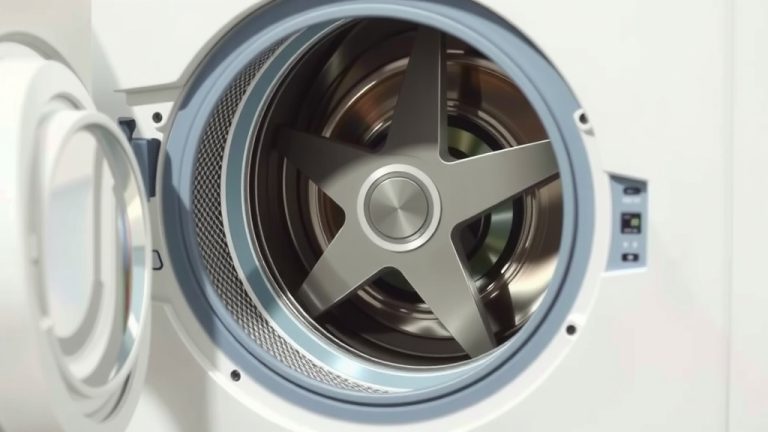
It’s important to distinguish between older and newer top-load washers. Many newer top-load models are now designed as HE machines. They don’t have that tall agitator. Instead, they often use impeller plates or different wash actions.
The HE Top-Load Difference
These HE top-loaders use far less water. They often rely on tumbling clothes through a shallow pool of water. This is a design inspired by front-load machines. You might see them using less water, similar to a front-loader, even though they load from the top. This can be a confusing distinction for consumers.
Comparing Water Usage: Top-Load vs. Front-Load
Let’s look at how different types of washing machines stack up in terms of water consumption. This comparison can really open your eyes to the savings potential. We found that the differences can be quite dramatic.
The Water Guzzlers: Traditional Top-Loaders
These are the machines that tend to use the most water. As we’ve discussed, they fill the entire drum. Estimates suggest these older models can use anywhere from 30 to 45 gallons of water per load. That’s a lot of water, especially when you consider how many loads you do each week.
The Water Savers: High-Efficiency Machines
High-efficiency machines, whether top-load or front-load, are designed with water conservation in mind. They use a fraction of the water compared to traditional top-loaders. We found that HE front-load washers typically use around 10 to 20 gallons per load. Some even use less. HE top-loaders fall within a similar range, generally using between 15 to 25 gallons.
Front-Loaders: The Water Efficiency Champions
Front-load washers are often the champions of water efficiency. Their design allows clothes to tumble and drop into a small amount of water. This tumbling action, combined with less water, is very effective at cleaning. Many studies confirm their lower water usage (Energy Star).
HE Top-Loaders: A Good Middle Ground
Newer HE top-load washers offer a great compromise. They provide the convenience of top-loading with much better water efficiency than older models. They achieve this by using a different wash mechanism, like an impeller, which moves clothes without needing a full tub of water. You get improved efficiency without changing your loading style.
Water Usage Table: A Quick Glance
To make it super clear, here’s a quick comparison:
| Washing Machine Type | Typical Water Usage per Load |
|---|---|
| Traditional Top-Load Washer | 30-45 gallons |
| HE Top-Load Washer | 15-25 gallons |
| HE Front-Load Washer | 10-20 gallons |
As you can see, the difference is quite stark. Choosing an HE model, regardless of whether it’s a top or front-loader, can lead to substantial water savings over time. This is good for your wallet and even better for the planet.
The Impact of Water Consumption
So, why does this matter so much? It’s not just about saving a few gallons here and there. The amount of water your washer uses has real-world consequences.
Your Utility Bills
The most immediate impact is on your water bill. If your washer uses an extra 20 or 30 gallons per load, and you do five loads a week, that adds up. Research from consumer reports indicates that upgrading to a water-efficient washer can save households hundreds of gallons of water annually. This translates directly into lower monthly utility costs. Over the lifespan of a washing machine, these savings can be substantial.
Environmental Considerations
Beyond your wallet, there’s the environmental aspect. Water is a precious resource. Reducing your household’s water consumption helps conserve it. Plus, heating water for laundry also uses energy. Less hot water means less energy used, which is another win for the environment. Many environmental agencies highlight appliance efficiency as a key area for individual conservation efforts.
Wear and Tear on Clothes
Interestingly, HE washers, particularly front-loaders, are often gentler on clothes. The less aggressive wash action and reduced water volume mean less friction and stretching. This can help your clothes last longer, saving you money on replacements. It’s a win-win: less water used, and your favorite shirt might see more birthdays.
Making the Switch: What You Can Do
Considering the significant water usage difference, you might be thinking about upgrading. It’s a big decision, but one that can pay off. If your current washer is an older top-loader, you’re likely using much more water than you need.
Checking Your Current Washer
First, try to identify what type of washer you have. Does it have a central agitator? Does it fill completely with water? If the answer is yes to both, you likely have a traditional top-loader. You can also often find the model number and check the manufacturer’s specifications online to confirm its water usage ratings.
Tips for Reducing Water Use Now
While upgrading is the most effective solution, you can take a few steps with your current machine:
- Wash Full Loads: Always run your washer with a full load to maximize the water used per item.
- Use Cold Water: Most of the energy used in washing is for heating water. Cold water washes are more efficient.
- Select Lower Water Levels (If Available): If your machine allows, choose the lowest effective water level setting.
- Skip Extra Rinses: Unless absolutely necessary, avoid extra rinse cycles.
- Maintain Your Machine: Ensure your washer is in good working order, as leaks can waste water.
These tips can help reduce water usage a bit, but the most significant savings come from choosing a more efficient appliance. When you’re ready to upgrade, look for the Energy Star label, which indicates excellent water and energy efficiency. Your future self, and the planet, will thank you!
Conclusion
It’s clear that your traditional top-load washer uses considerably more water than its modern high-efficiency counterparts. Research shows older models can consume up to 45 gallons per load, a stark contrast to the 15-20 gallons used by most HE machines. This difference not only impacts your utility bills but also our planet’s precious water resources. If you’re looking to make a tangible difference in both your household budget and environmental footprint, consider upgrading your washing machine. Look for the Energy Star label when you’re ready for a more efficient clean.
Frequently Asked Questions
How much more water does a traditional top-load washer use compared to a front-loader?
Research indicates that traditional top-load washers can use 15 to 30 gallons more water per load than most HE front-load washers. While older top-loaders might fill the entire tub, front-loaders use a tumbling action with much less water. This significant difference adds up over time.
Are all top-load washers inefficient with water?
No, not all top-load washers are water-inefficient. Newer HE top-load models are designed differently and use much less water. They often rely on impeller plates instead of a central agitator and don’t fill the entire tub. You can find HE top-loaders that rival the water efficiency of front-loaders.
Can I make my current top-load washer use less water?
You can implement a few strategies to reduce water usage with your current top-load washer. Always wash full loads to maximize efficiency and select the lowest effective water level setting if your machine offers it. Using cold water also saves energy used for heating water.
How do I know if my top-load washer is an older, high-water-use model?
If your top-load washer has a tall, central agitator and you notice it fills the entire tub with water for every wash cycle, it’s likely an older, less efficient model. Many newer models lack this central post and fill the drum to a much lower level.
What is the environmental impact of using a water-guzzling washing machine?
Using a washing machine that consumes a lot of water strains local water resources and requires energy to heat that water. Reducing water usage through efficient appliances helps conserve a vital resource and lowers your carbon footprint by decreasing energy consumption for heating.