Top Loader Water Usage: How Much More Does It Use
A traditional top-loader washing machine uses significantly more water than a high-efficiency (HE) front-loader. In fact, many top-loaders can use up to 30 gallons of water per load, while HE models typically use around 15 gallons or less.
This difference is mainly due to how they operate. Older top-loaders need a full tub of water to agitate clothes. HE front-loaders, and newer HE top-loaders, use less water and tumble clothes to clean them. You might be surprised by your machine’s water consumption.
- Top-loaders use way more water than front-loaders.
- Older top-loaders are the biggest water-guzzlers.
- HE machines are much more water-efficient.
- This impacts your water bill and the environment.
Let’s break down exactly how much more water your top-loader might be using and why it matters.
“`htmlHow Much More Water Does Your Top-Loader Use? Let’s Find Out.
You’re probably wondering just how much more water your trusty top-loading washing machine might be using compared to newer models. It’s a fair question, especially when you look at your water bill or think about conserving resources. The short answer is: quite a bit more.
Older, traditional top-loaders are the biggest culprits. They were designed in a time when water wasn’t as much of a concern. These machines often fill the entire tub with water. This ensures your clothes have plenty of room to swish around and get clean. If you’re curious about specific models, our guide to the best top-loading washing machine can help.
Understanding How Washing Machines Use Water
The way a washing machine cleans clothes directly impacts how much water it needs. Think about it like doing dishes. You could fill a sink completely, or you could use a stream of water and a scrub brush. Both get the dishes clean, but one uses far more water.
The Traditional Top-Loader’s Method
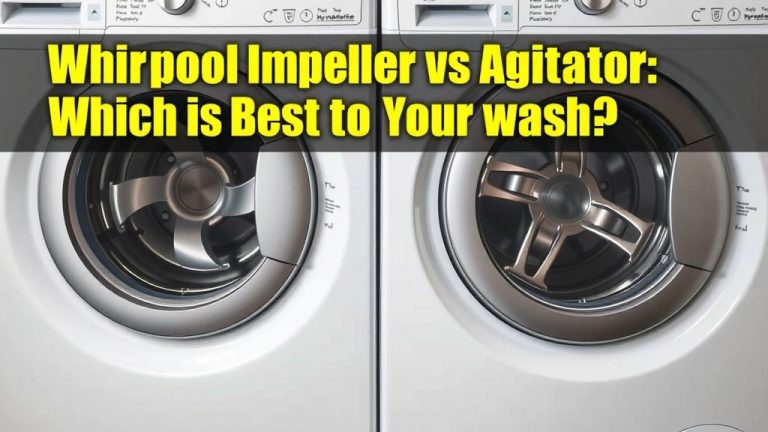
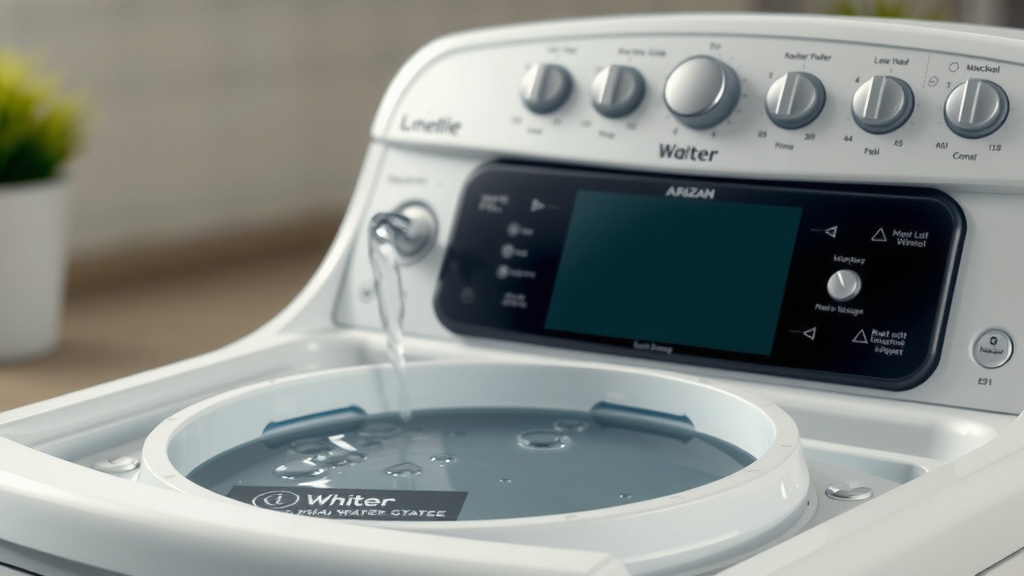
Traditional top-loaders rely on an agitator. This is the tall post in the middle of the drum. It twists and turns, forcing clothes through the water. To make this happen effectively, the tub needs to be full. You’ll see the water level rise until it covers all your clothes and then some.
We found that these older machines can use anywhere from 25 to 45 gallons of water per load. That’s a huge amount! For context, a standard bathtub holds about 40-50 gallons. So, each wash cycle is like filling your tub halfway.
High-Efficiency (HE) Machines: A Different Approach
High-efficiency machines, whether top-loading or front-loading, work differently. They don’t need a full tub of water. Instead, they use a tumbling action. Clothes are lifted and dropped into a smaller amount of water. This action helps loosen dirt and clean the fabric.
Many experts point out that HE machines use sensors to detect the load size. They then add just enough water to get the job done. This smart design drastically reduces water consumption.
Comparing Water Usage: Top-Loader vs. HE Machine
Let’s put some numbers to this difference. It can be quite striking when you see it laid out.
We found that a typical traditional top-loader might use around 30-40 gallons of water per load. Some older models can even exceed this. On the other hand, a high-efficiency top-loader might use about 15-25 gallons. And the high-efficiency front-loader? It often uses even less, around 10-15 gallons per load.
A Closer Look at the Numbers
Imagine you do five loads of laundry per week. If you have an older top-loader using 40 gallons per load, that’s 200 gallons per week. Over a year, that adds up to over 10,000 gallons! That’s a lot of water to account for.
Now, consider an HE front-loader using 15 gallons per load. For five loads a week, that’s 75 gallons weekly. Annually, this amounts to just under 4,000 gallons. That’s a water saving of more than 6,000 gallons per year!
| Machine Type | Typical Water Usage (Gallons) |
|---|---|
| Traditional Top-Loader | 30-45 |
| HE Top-Loader | 15-25 |
| HE Front-Loader | 10-15 |
Why the Big Difference? It’s All in the Design.
The core reason for the water disparity lies in the cleaning mechanism. Traditional top-loaders rely on a full tub to immerse and agitate clothes. This ensures every item gets thoroughly mixed. It’s a tried-and-true method, but not the most water-wise.
HE machines, conversely, use a gentler, more efficient process. The tumbling action, often described as clothes “folding” or “dropping,” uses less water. It’s like gently washing delicate items by hand versus soaking them in a full bucket. Many consumer reports have noted this efficiency gain.
Beyond Water: Energy and Cost Implications
The extra water used by older top-loaders doesn’t just impact your water bill. Heating water requires energy. So, using more water, especially hot water, means your washing machine uses more electricity too.
We found that this double whammy of increased water and energy consumption can lead to higher utility bills. Over time, the savings from an HE machine can really add up. It’s a practical benefit you can see in your budget.
Environmental Considerations
Using less water is also better for the environment. Municipal water treatment facilities require energy and resources. Reducing your household water usage helps conserve these resources. It also lessens the strain on local water supplies, especially in drought-prone areas. Many environmental agencies encourage water-saving practices in the home (EPA).
Are You Using More Water Than You Think?
It’s easy to get accustomed to our appliances and not think about their daily impact. But understanding how your washing machine works can be eye-opening. Do you have an older top-loader that fills up completely? If so, you’re likely using significantly more water than newer models.
Tips for Being More Water-Wise with Laundry
If you have an older top-loader, don’t worry! There are still ways to be more efficient. Even small changes can make a difference:
- Wash full loads whenever possible.
- Use cold water for most loads.
- Check your machine’s water level settings.
- Consider upgrading when your machine nears the end of its life.
- Maintain your machine for optimal performance.
Conclusion
You now understand that your traditional top-loading washing machine likely uses considerably more water than its high-efficiency counterparts. This difference, often 2-3 times more per load, isn’t just about numbers; it impacts your utility bills and the environment. While older top-loaders served their purpose, newer HE models offer substantial savings through smarter design and less water-intensive cleaning methods. Your next step? Consider how these savings can benefit you and make a positive environmental choice the next time you’re ready for a new appliance. If you’re considering an upgrade, our guide to new HE models can help you understand the costs involved.
Frequently Asked Questions
Can I adjust my top-loader to use less water?
Some traditional top-loaders have different water level settings. You might be able to select a “medium” or “low” setting for smaller loads. However, these machines are designed to require a full tub for proper agitation, so limiting water might affect cleaning performance.
How can I tell if my top-loader is a high-efficiency model?
High-efficiency (HE) top-loaders typically don’t have a central agitator. Instead, they use a low-profile impeller at the bottom or a wash plate. They also often have an “HE” symbol on the lid or control panel and use less water, with loads appearing less submerged than in traditional models.
Is it always worth upgrading from a top-loader to an HE machine?
For most households, yes. While the initial cost of an HE machine is higher, the long-term savings on water and energy bills can be substantial. Research indicates that upgrading can pay for itself over several years, especially if you do frequent laundry.
Do HE top-loaders use as little water as HE front-loaders?
Generally, HE front-loaders tend to use the least amount of water per load, often a few gallons less than HE top-loaders. This is because front-loaders rely on a tumbling action that requires minimal water to move clothes effectively.
What are the environmental benefits of using less water for laundry?
Using less water conserves a precious resource, reducing the strain on local water supplies, especially during dry periods. It also means less energy is needed for water treatment and heating, lowering your carbon footprint and supporting environmental sustainability efforts.