Front Load Washer: Tips for More Water
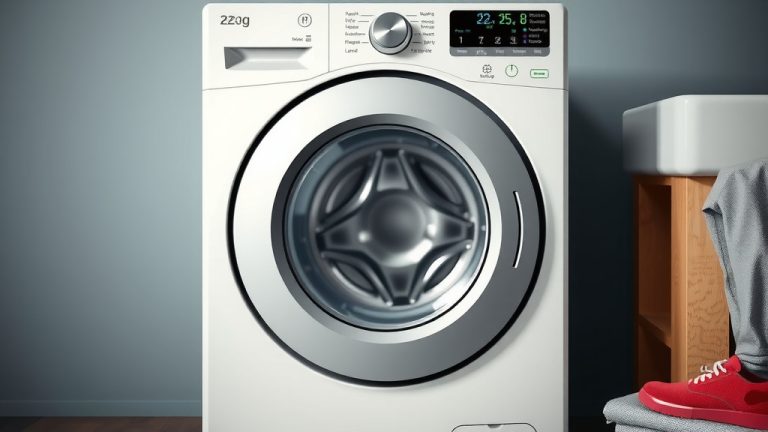
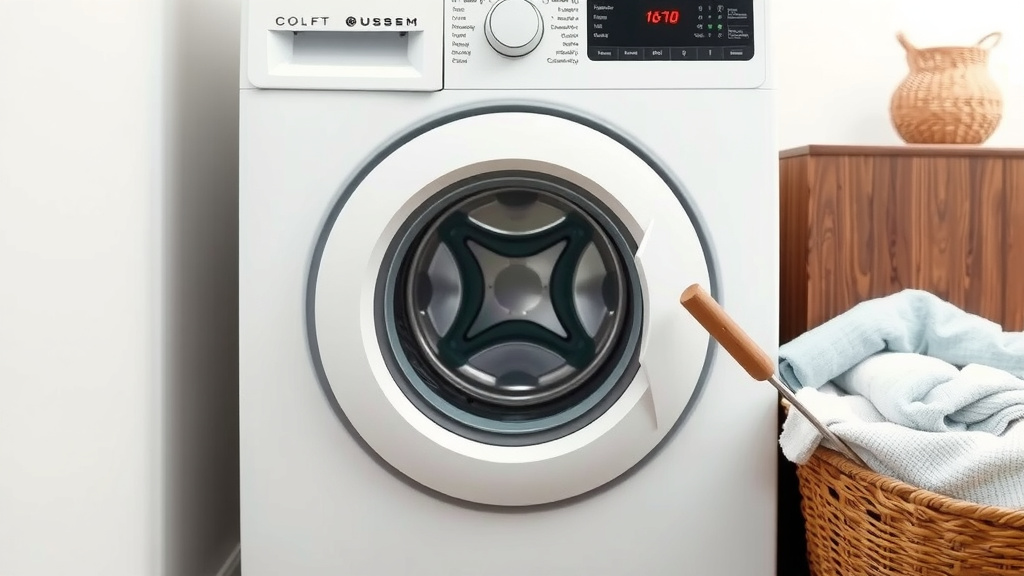
If your front load washer isn’t using enough water, you can often fix it with a few simple adjustments. We found that cleaning the dispenser drawer and checking the water inlet screens are the most common solutions. These steps help ensure your machine gets the water it needs for a proper wash cycle. You might also need to check your water pressure or adjust load sizes.
It can be frustrating when your clothes don’t seem to get thoroughly wet. A front load washer is designed to use less water, which is great for saving resources. But if it’s using *too little*, you might end up with dirty laundry and soap residue. We researched the most effective ways to improve your washer’s water intake for cleaner, fresher clothes.
Here’s a quick look at how to get more water in your front load washer:
- Clean the detergent dispenser.
- Inspect and clean the water inlet screens.
- Check your home’s water pressure.
- Adjust how you load laundry.
Let’s walk through exactly how to tackle these common issues and get your washing machine performing at its best.
“`htmlBoosting Water Levels in Your Front Load Washer
If your front load washer seems to be skimping on water, you’re not alone! These machines are designed for efficiency, but sometimes they need a little nudge. We’ve researched the common culprits and found simple fixes to ensure your clothes get the water they need for a truly clean wash.
Checking the Detergent Dispenser for Blockages
One of the most frequent reasons for low water in your front loader is a clogged detergent dispenser. When this area gets gunky, water can’t flow freely into the drum. Think of it like a clogged drain in your sink – water just doesn’t go where it’s supposed to!
Why a Clean Dispenser Matters
The dispenser drawer directs water to rinse away detergent and fabric softener. If it’s blocked with residue, the water stream can be weak or misdirected. This means less water enters the wash tub during the cycle. We found that this simple step solves the problem for many users.
How to Clean Your Dispenser Drawer
Cleaning is usually straightforward. First, you’ll want to pull out the dispenser drawer. Most drawers slide out completely with a gentle tug. Some might have a release lever or button you need to press. Consult your owner’s manual if you’re unsure.
- Remove any loose debris or visible buildup.
- Wash the drawer with warm, soapy water. A soft brush can help get into crevices.
- Rinse thoroughly.
- While the drawer is out, use a cloth or a brush to clean the area inside the washer where the drawer sits. Sometimes, residue can build up here too.
- Dry all parts before reinserting the drawer.
Make this a routine part of your laundry maintenance. We recommend doing it at least once a month.
Inspecting and Cleaning Water Inlet Screens
Your washing machine connects to your home’s water supply via hoses. At the point where these hoses connect to the washer, there are small screens. These screens filter out sediment from the water before it enters your machine. If these get clogged, your washer won’t get enough water.
Locating the Inlet Screens
You’ll find these screens where the hot and cold water hoses connect to the back of your washer. You’ll need to disconnect the hoses to access them.
The Cleaning Process
Before you start, be sure to turn off the water supply to the washer. You can do this by closing the hot and cold water valves on the wall behind the machine. Always disconnect the hoses from the washer, not the wall valves.
Once the hoses are detached, look inside the connection ports on the washer. You should see a small, mesh screen. Carefully pull out the screen using a pair of pliers or tweezers. Be gentle to avoid damaging the screen.
Rinse the screen under running water. If there’s stubborn buildup, you can use a soft brush. After cleaning, reinsert the screens and reconnect the hoses. Turn the water supply back on and check for leaks.
Understanding Your Home’s Water Pressure
Sometimes, the issue isn’t with the washer at all. It could be your home’s water pressure. Front load washers require a certain level of water pressure to operate correctly. If your home’s pressure is too low, the washer won’t fill adequately.
What’s Considered Low Water Pressure?
Most washing machines need a water pressure of at least 20-30 pounds per square inch (psi). Many household plumbing systems operate within the 40-60 psi range, which is ideal. We found that pressure below 20 psi can cause filling issues.
How to Check Your Water Pressure
You can purchase an inexpensive water pressure gauge at most hardware stores. It screws onto an outdoor hose spigot or laundry faucet. Turn on the spigot fully and read the gauge. If your pressure is consistently low, you might need to contact a plumber to investigate your home’s system.
What If Pressure is Low?
If your water pressure is indeed low, there are a few things to consider. Sometimes, a partially closed main water valve to your house can restrict flow. Also, if you have an older home, the pipes themselves might be corroded and restricting water. Fixing these issues can significantly improve your washer’s performance.
Adjusting Your Laundry Load Sizes
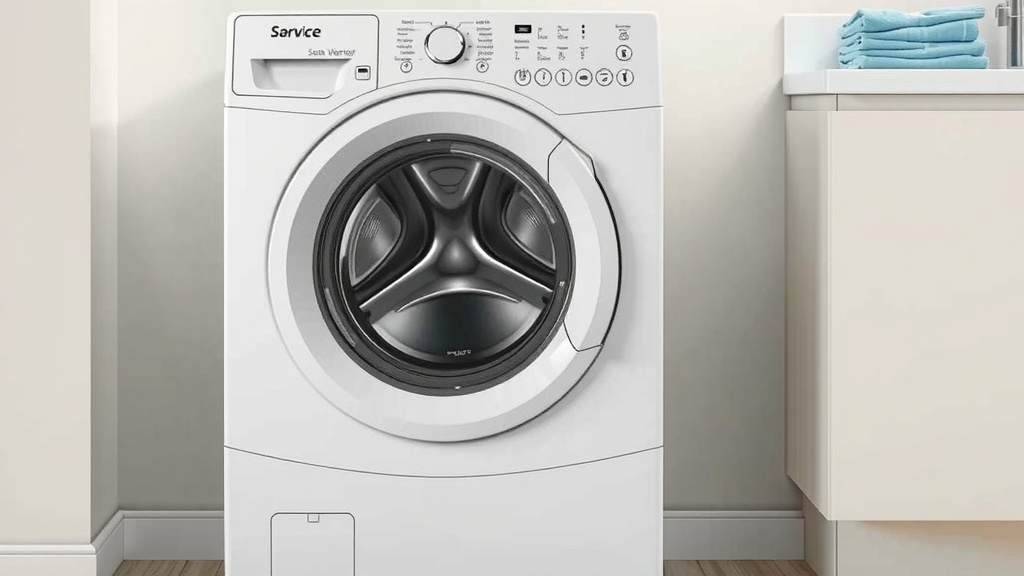
Overloading your front load washer is a common mistake that can lead to poor washing results, including not enough water. These machines rely on the clothes tumbling freely to distribute water and detergent.
The “Tumble Test”
A good rule of thumb is the “tumble test.” When you’ve loaded your laundry, reach into the drum. If you can’t easily push the clothes down and turn them over, the load is likely too big. There should be space for the clothes to move. We found that avoiding tightly packed drums is key.
Why Size Matters
When the drum is packed too full, water and detergent can’t circulate properly. This means some clothes might remain dry or only partially wet. Small, delicate items or large bulky items can also affect water distribution if not balanced properly.
Here’s a quick checklist to ensure you’re loading right:
- Don’t stuff the drum full.
- Leave at least a hand’s width of space at the top.
- Balance loads with heavier and lighter items.
- Avoid washing single, very bulky items alone.
- Consider splitting very large loads into two.
Following these simple loading tips can make a big difference in how well your washer cleans and uses water.
Considering a Hot Water Wash Cycle
While not always directly about the *amount* of water, using a hot water cycle can sometimes make you feel like more water is being used effectively. Hot water is better at dissolving detergent and can improve stain removal.
When to Use Hot Water
Hot water is best for whites, heavily soiled items, and bedding. For most everyday loads, warm or cold water is sufficient and saves energy. However, if you feel your machine isn’t wetting things adequately, trying a hot cycle might make you feel better about the wetting process. Many guidelines suggest hot water for sanitizing purposes (CDC).
Potential Water Temperature Differences
Keep in mind that your home’s hot water heater temperature setting plays a role. If your hot water isn’t very hot, the wash water won’t be either. It’s important to ensure your water heater is set appropriately, usually around 120°F. This temperature is generally considered safe and effective (U.S. Department of Energy).
| Potential Issue | How to Fix It | Why It Helps |
|---|---|---|
| Clogged Dispenser | Clean dispenser drawer thoroughly. | Ensures water flows freely. |
| Blocked Inlet Screens | Remove and clean mesh screens at hose connections. | Allows full water flow into the machine. |
| Low Home Water Pressure | Check pressure with a gauge; consult plumber if low. | Ensures the machine receives enough water. |
| Overloaded Drum | Reduce load size, follow tumble test. | Allows clothes to move and absorb water. |
Conclusion
Getting enough water in your front load washer is key to achieving truly clean clothes. You’ve learned that simple maintenance like cleaning the dispenser and checking inlet screens can make a big difference. Remember, your washer’s performance also depends on factors like household water pressure and how you load your laundry. Don’t hesitate to try the “tumble test” to ensure your loads aren’t too big. By addressing these common issues, you can ensure your front loader uses water effectively for fresher, cleaner results every time. Start by giving your dispenser drawer a good scrub this week!
Frequently Asked Questions
Can I just add more water manually to my front load washer?
No, it’s generally not recommended to add water manually to a front load washer. These machines are designed to sense the water level and adjust the cycle accordingly. Adding extra water could disrupt the sensors and lead to poor washing or rinsing performance. Stick to the maintenance and loading tips provided in the article.
How often should I clean my front load washer’s dispenser drawer?
We recommend cleaning your dispenser drawer at least once a month. This regular maintenance helps prevent residue buildup, which can obstruct water flow and lead to less water entering the drum during washes. More frequent cleaning might be necessary if you notice any signs of clogging sooner.
What if my front load washer still doesn’t seem to use enough water after trying these tips?
If you’ve cleaned the dispenser, checked the inlet screens, verified your home’s water pressure, and adjusted load sizes, and you still suspect an issue, it might be time to consult your owner’s manual for advanced troubleshooting. If that doesn’t help, contacting the manufacturer’s support or a qualified appliance repair technician is your next best step.
Does the type of detergent I use affect water usage in my front load washer?
Yes, using the correct type of detergent is important. High-efficiency (HE) detergents are specifically formulated for front load washers and use less water. Using too much detergent, or a non-HE type, can cause excessive suds that might trick the machine’s sensors into thinking there’s enough water, even if there isn’t. Always use an HE detergent and the recommended amount.
My washer is old, could that be why it’s not using enough water?
While age can sometimes be a factor in appliance performance, older front load washers can often be brought back to optimal water usage with proper maintenance. The issues discussed, like clogged dispensers or inlet screens, can affect washers of any age. Ensure you’re following the cleaning and maintenance steps consistently, as they are designed to combat common wear-and-tear problems.