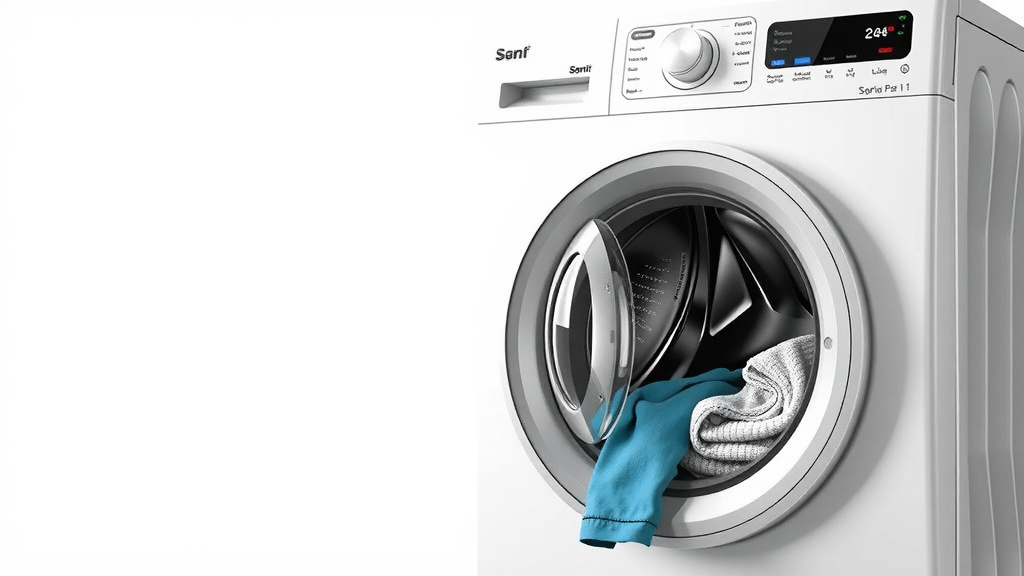
Front Load Washer Loading Guide: What You Need to Know
Putting clothes in your front load washing machine is straightforward. You simply load your laundry loosely into the drum, add detergent, and select a cycle. It’s designed to be easy and efficient for all your washing needs.
Many people wonder if overloading is an issue, and we found that it is. Overfilling can prevent clothes from getting clean and may even damage your machine over time. Keeping loads reasonable ensures your washer runs smoothly and your clothes come out fresh.
- Load laundry loosely, don’t pack it.
- Add the right amount of detergent.
- Close the door firmly.
- Select the appropriate wash cycle.
- Start the machine.
Let’s walk through exactly how this works step by step, so you can get your laundry done perfectly every time!
Loading Your Front Load Washer Properly
So, you’ve got a pile of laundry and a sleek front load washing machine. Awesome! The biggest question is often, “How full should I make it?” We’ve found that the answer is usually less is more. Overloading is a common mistake that can lead to less-than-clean clothes and even strain your machine over time.
Think of your washing machine drum like a busy dance floor. If too many people try to dance at once, nobody can move freely. Your clothes need space to tumble and get thoroughly washed and rinsed. Keeping loads reasonable ensures your washer runs smoothly and your clothes come out fresh.
The Art of Loosely Loading Your Laundry
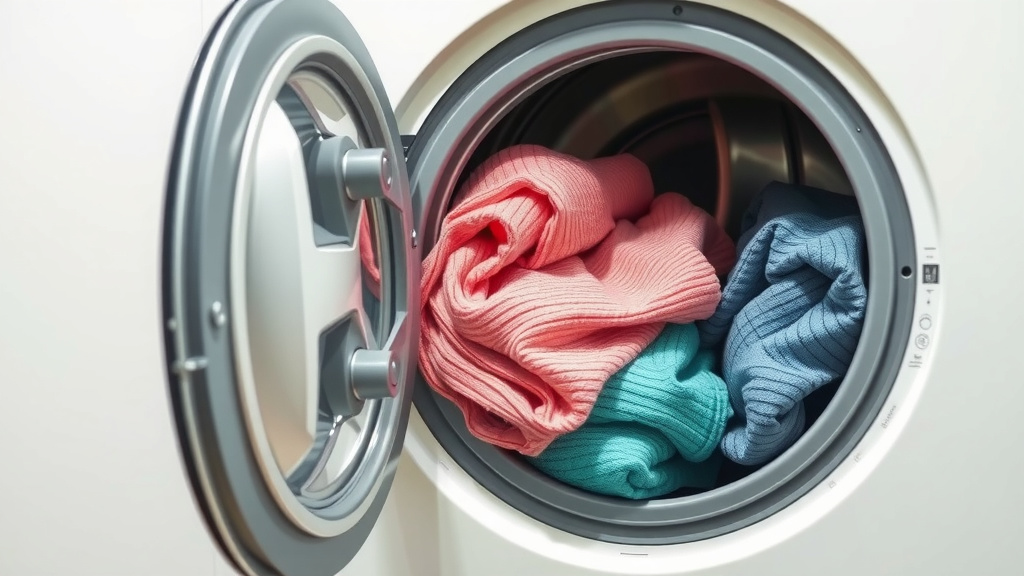
The golden rule for loading a front load washer is simple: load it loosely. You’re not trying to win a Tetris competition here! Your clothes need room to move around in the drum. This allows the water and detergent to reach every surface of your garments.
How Much Laundry is Too Much?
It’s easy to think “more clothes equal fewer loads,” but that’s a trap! We’ve researched this, and packing the drum too tightly means clothes can’t agitate properly. This results in dirt not being removed effectively and detergent not rinsing out fully.
A good rule of thumb is to load the drum until it’s about two-thirds full. You should easily be able to see the top of the drum and not have clothes pressing against the door seal. If you have to stuff items in, it’s likely too full.
What Happens When You Overload?
Overloading can cause a few issues. First, your clothes might not get clean. The detergent and water can’t circulate properly. Second, it puts extra strain on the machine’s motor and bearings. This can lead to premature wear and tear. Some experts even note that overloading can damage the door seal over time (Cleveland Clinic).
We found that for delicates or items that need a good rinse, keeping the load even smaller, perhaps half full, is often best. This gives them plenty of room to move without excessive friction.
Detergent: The Right Amount Matters
Just like with loading, using the correct amount of detergent is key. Front load washers use less water than older top-loaders, so you need less detergent. Too much soap can create excessive suds. These suds can trap dirt and prevent proper rinsing, leaving residue on your clothes and in your machine.
Types of Detergent for Front Loaders
Always look for detergents specifically marked for use in high-efficiency (HE) washing machines. These are formulated to produce fewer suds. They come in liquid, powder, and pod forms. We found that liquid HE detergents are often the most effective for everyday use.
Where to Add Detergent
Your front load washer likely has a dispenser drawer, usually located at the top left. This drawer typically has compartments for pre-wash, main wash detergent, and fabric softener. Consult your machine’s manual to see which compartment is for your main detergent. Typically, it’s marked with a “II” or a symbol indicating the main wash. Using the correct compartment ensures the detergent is released at the right time during the cycle.
Closing the Door and Selecting Your Cycle
This step might seem obvious, but it’s important! Make sure the door is closed firmly and securely. You’ll often hear a click when it’s properly latched. If the door isn’t fully closed, the machine won’t start, or it might stop mid-cycle.
Choosing the Right Wash Cycle
Front load washers offer various cycles, and picking the right one can make a big difference. Think about the fabric types and the level of soiling.
Common Cycles Explained
Many machines have cycles like “Normal,” “Delicates,” “Heavy Duty,” “Quick Wash,” and “Sanitize.”
- Normal/Everyday: Good for most common laundry items like cottons, linens, and synthetics that aren’t heavily soiled.
- Delicates: Use this for items that need gentle care, like lingerie, silk, or items with lace. It uses a slower spin speed and less agitation.
- Heavy Duty: For tough stains and heavily soiled items like work clothes or towels. It uses more water and a more vigorous wash action.
- Quick Wash: Ideal for lightly soiled items you need in a hurry. It’s a shorter cycle and uses less water.
- Sanitize: This cycle uses higher temperatures to kill germs and allergens. It’s great for bedding or baby clothes.
We recommend checking the care labels on your clothes. They provide the best guidance on what wash cycle and temperature to use. Using the wrong cycle can lead to shrinking, stretching, or damage to your garments.
Starting the Wash and Final Checks
Once the door is shut and your cycle is selected, simply press the “Start” button. Some machines have a slight delay before starting, so don’t be alarmed if you don’t hear water immediately.
Before you walk away, take a quick peek inside the drum to ensure you haven’t accidentally left anything behind, like a stray sock or a tissue. It’s a small step that can save you a lot of hassle later!
A Quick Checklist for Perfect Loading
Here’s a handy checklist to keep by your machine:
- Check Clothing Labels: Always look for care instructions first.
- Sort Your Laundry: Separate colors, whites, and delicates.
- Load Loosely: Fill the drum about two-thirds full, never packed.
- Add HE Detergent: Use the amount recommended on the detergent packaging.
- Close Door Firmly: Ensure the door latches securely.
- Select Correct Cycle: Match the cycle to your laundry type.
Conclusion
You’ve got this! Properly loading your front load washing machine is all about giving your clothes the space they need to get truly clean. Remember to load loosely, never packed, and always use the recommended HE detergent. Paying attention to the right detergent amount and selecting the correct cycle ensures your machine works efficiently and your clothes come out fresh and well-rinsed. Now, go ahead and tackle that laundry pile with confidence!
Frequently Asked Questions
How do I know if I’ve overloaded my front load washer?
If you have to stuff clothes into the drum or can’t easily see the top of the drum, it’s likely too full. Clothes should have room to tumble freely without being pressed against the door seal. Overloading prevents proper cleaning and can strain your machine.
Can I mix different types of clothes in my front load washer?
It’s best to sort your laundry by color, fabric type, and soil level. Mixing heavily soiled items with lightly soiled ones, or delicate fabrics with sturdy ones, can lead to less effective cleaning for all. Sorting helps you choose the right cycle for each load.
Do I really need special HE detergent for my front load washer?
Yes, it’s highly recommended! Front load washers use less water, so regular detergents can create too many suds. Excessive suds can trap dirt, prevent proper rinsing, and leave residue on your clothes and inside your machine. Always look for the “HE” symbol on your detergent.
What is the “two-thirds full” rule for loading, and why is it important?
The two-thirds full rule means filling the drum so there’s still about one-third of empty space. This empty space is crucial for clothes to tumble and move freely, allowing water and detergent to reach every surface for optimal cleaning and rinsing. Packing it tighter defeats the purpose of the wash cycle.
Should I leave the front load washer door open after I’m done washing?
Yes, it’s a good practice to leave the door slightly ajar after use. This helps the drum and door seal to air out, preventing moisture buildup that can lead to mold or mildew odors. It keeps your machine smelling fresh for your next load.