Front Loader Washing Powder: A Simple Step-by-Step Guide
Putting washing powder in your front loader is straightforward. You’ll want to add the correct amount to the main wash compartment in the detergent drawer. Using too much or too little powder can affect your laundry’s cleanliness. Make sure you’re using powder designed for high-efficiency (HE) machines.
Understanding where to place your detergent is key to getting the best results from your washing machine. Front loaders have specific compartments for different types of cleaners. We found that using the wrong compartment can lead to suds build-up or ineffective cleaning. Many experts agree that this step is vital for optimal washing performance.
- Locate the detergent drawer on your front loader.
- Identify the compartment marked for the main wash.
- Add your washing powder here.
- Check your machine’s manual for exact amounts.
- Use HE-specific washing powder.
Let’s walk through exactly how to get this done step by step, ensuring your clothes come out fresh and clean every time.
Getting Your Washing Powder into Your Front Loader
Placing washing powder in your front-load washing machine is a simple step. It ensures your clothes get a thorough clean. We’ll guide you through the process so you can get the best results from your laundry.
Understanding Your Front Loader’s Detergent Drawer
Most front-load washing machines have a specific drawer for your detergents and fabric softeners. This drawer is usually located at the top left or top right of the machine. It helps keep different cleaning agents separate. This prevents them from mixing before the wash cycle begins.
Locating the Detergent Drawer
You’ll typically find a handle or a slight indentation to pull the drawer out. Gently pull it towards you. It should slide out smoothly. Some drawers may have a button you need to press to release them fully. Always check your machine’s manual if you’re unsure.
Components of the Detergent Drawer
Once the drawer is open, you’ll see several compartments. These are usually labeled with symbols or numbers. These labels tell you where to put different types of laundry products. Common labels include pre-wash, main wash, and fabric softener.
The Main Wash Compartment
The compartment you need for your washing powder is almost always marked with a Roman numeral ‘II’ or a symbol resembling a t-shirt with a spray of water. This is for the primary detergent used during the main wash cycle. This compartment is the largest one. It’s designed to hold enough detergent for your entire load.
Other Compartments and Their Uses
You might also see a compartment labeled ‘I’ or a flower symbol. This is typically for pre-wash detergent. If you’re doing a heavy-duty wash or have very soiled clothes, you might use this. Another compartment, often with a flower icon, is for fabric softener. Don’t mix your powder here!
How Much Washing Powder Should You Use?
This is where many people get confused. Using too much powder can lead to excessive suds. This can leave residue on your clothes and damage your machine over time. Too little powder means your clothes won’t get clean.
Checking Your Detergent Packaging
Washing powder manufacturers provide clear dosage instructions on their packaging. These instructions usually vary based on the load size and how dirty your clothes are. Look for a scoop or a chart on the box or bag. It will tell you how much powder to use for a standard load.
Consulting Your Washing Machine Manual
Your washing machine manual is your best friend for this. It will often recommend a specific amount of detergent. It might also suggest the best type of detergent for your machine model. Many manuals provide a table based on load size and water hardness.
Water Hardness Matters
The hardness of your water affects how much detergent you need. In areas with hard water, you might need a bit more powder. Soft water requires less. Research your local water hardness if you’re unsure. Some detergent brands offer specific formulas for hard water.
Estimating Load Size
A ‘full’ load isn’t just stuffing the machine until it’s bursting. For front loaders, you should leave a hand-sized gap at the top of the drum. This allows clothes to tumble freely. Overloading prevents proper rinsing and cleaning. A properly sized load needs less detergent.
Important Considerations for Front Loaders
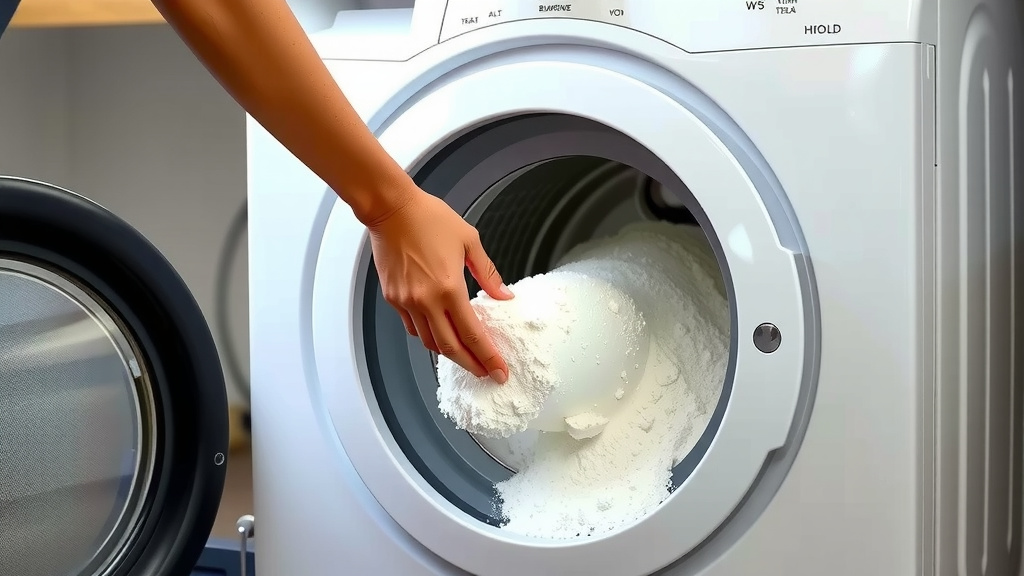
Front-load washing machines are designed differently from top-loaders. They use less water. This means you need to be careful with the type and amount of detergent you use. Front-load washing machines are designed differently from top-loading washing machines.
Always Use HE-Rated Detergent
This is a critical point. You must use High-Efficiency (HE) washing powder for your front loader. HE detergents are specially formulated to create fewer suds. Regular detergents produce too much foam in these water-efficient machines. Too much foam can cause damage and poor cleaning. Many experts say using non-HE detergent is a common mistake (Consumer Reports).
The Dangers of Too Much Suds
Excessive suds can cushion the clothes. This prevents them from rubbing against each other and the drum. Proper friction is needed for effective cleaning. The extra suds can also interfere with the machine’s sensors. This might lead to cycles not completing properly. Over time, this can lead to mold and mildew growth. It can even damage the pump or motor (Appliance repair guides).
A Quick Checklist for Adding Powder
To make things easy, here’s a quick rundown:
- Find the drawer: It’s usually at the top front.
- Identify compartment II: Look for the ‘II’ or t-shirt symbol.
- Check powder amount: Refer to the detergent box or your manual.
- Measure carefully: Use the scoop provided or a measuring cup.
- Add powder only: Make sure it goes into the correct compartment.
- Close the drawer: Push it in gently until it clicks.
Conclusion
You’ve learned that correctly adding washing powder to your front loader is more than just tossing it in. It’s about placing the right amount in the main wash compartment. Always remember to use HE-specific powder. This prevents excessive suds and ensures your clothes get truly clean. Following these simple steps will help your machine run efficiently. You’ll also enjoy fresher, brighter laundry with every wash. Now, go give it a try on your next load!
Frequently Asked Questions
Can I put washing powder directly into the drum of my front loader?
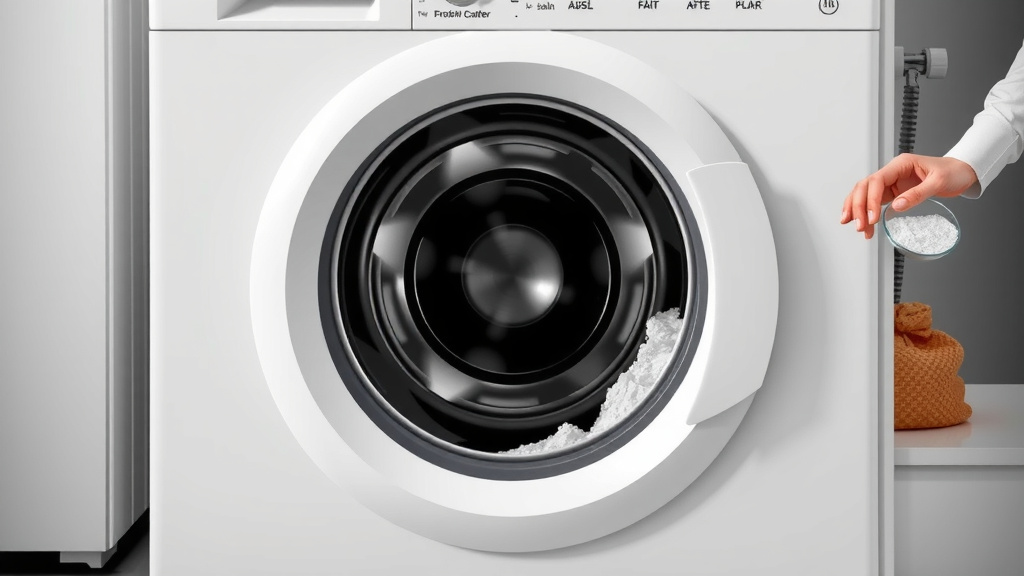
While it might seem like a shortcut, we found that it’s best to avoid putting powder directly into the drum. Always use the designated detergent drawer compartment. This ensures the powder dissolves properly before hitting your clothes. Placing it directly in the drum can lead to uneven distribution and residue.
What if my detergent drawer doesn’t have clear labels like ‘II’?
Don’t worry if your drawer lacks clear Roman numerals. Most manufacturers use symbols. Look for a compartment that resembles a t-shirt with water droplets sprayed on it, or the largest compartment in the drawer. Your machine’s manual is the ultimate guide if you’re still unsure.
How do I clean my washing powder dispenser drawer?
We recommend cleaning your detergent drawer regularly. Remove it from the machine and wash it with warm water and mild soap. Use an old toothbrush to scrub away any residue or mold. This prevents buildup and ensures your detergent releases correctly. Dry it thoroughly before reinserting.
Is it okay to use liquid detergent in the main wash compartment instead of powder?
Yes, you can absolutely use liquid detergent in the main wash compartment. Just be sure it’s also an HE-rated product. The compartment labeled ‘II’ or the t-shirt symbol is suitable for both powder and liquid detergents. Always check your manual for specific recommendations.
What happens if I accidentally put powder in the fabric softener compartment?
If you accidentally put washing powder in the fabric softener compartment, don’t panic. It won’t cause immediate damage. However, it will mean your fabric softener won’t be dispensed, and the washing powder might not dissolve or rinse out effectively. You’ll likely end up with clothes that aren’t softened and might have some powder residue.