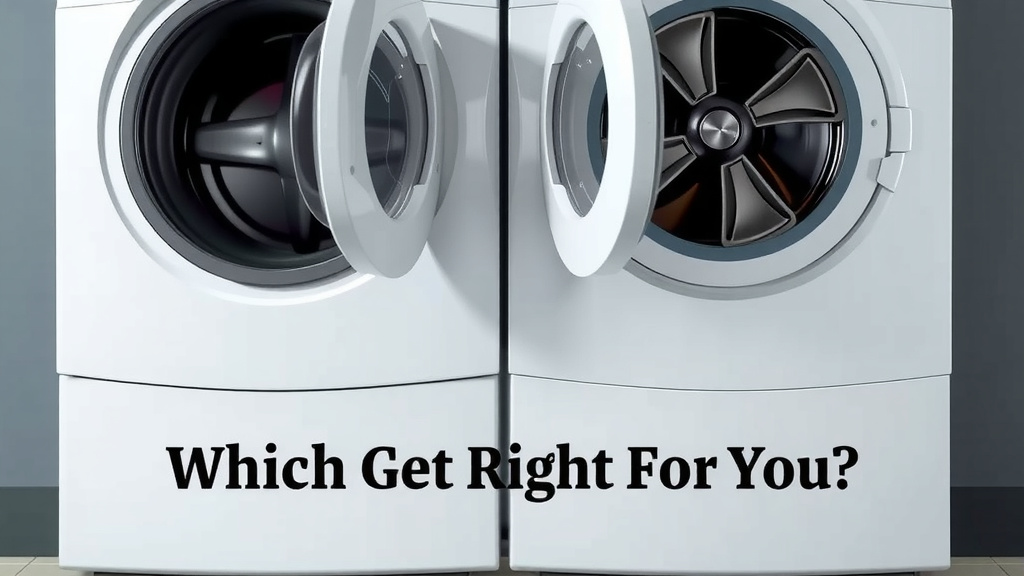
Front Load vs Top Load Washer: Which is Right for You
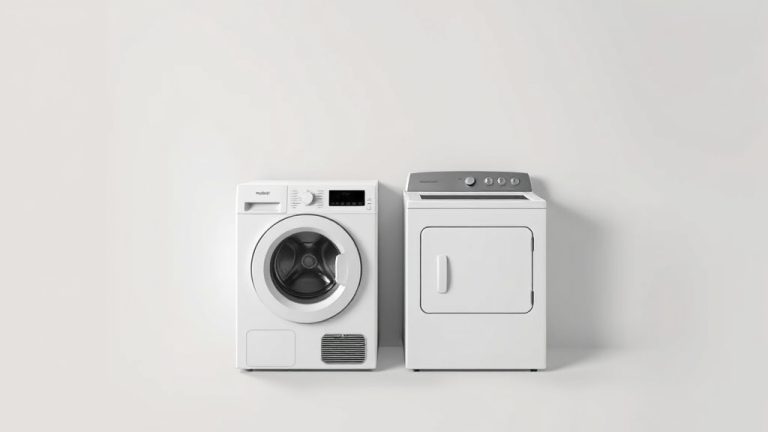
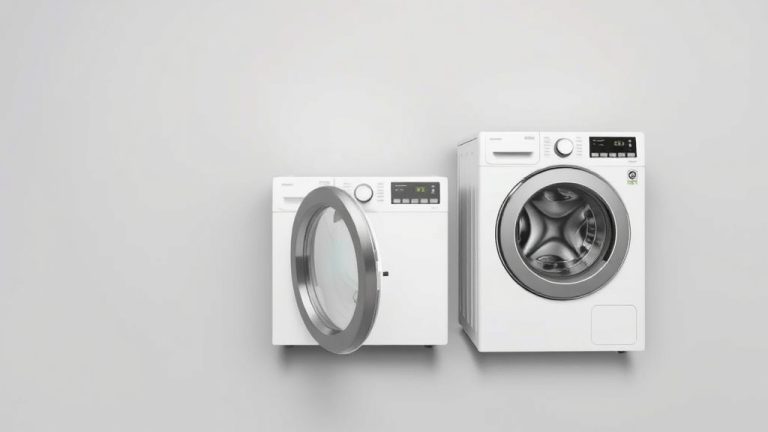
When choosing between a front-load and a top-load washing machine, the front-loader generally offers a more efficient clean and uses less water. While top-loaders are often more affordable upfront and can be simpler to use, front-loaders provide better fabric care and spin cycles that reduce drying time, saving you energy overall.
The main difference lies in how they agitate clothes. Top-loaders typically use an agitator or impeller to move clothes through water, which can be rougher on fabrics. Front-loaders tumble clothes, which is gentler on your garments and more effective at removing stains. Many modern top-loaders are also adopting high-efficiency designs to compete.
- Front-loaders are generally more water and energy efficient.
- Front-loaders are gentler on clothes due to their tumbling action.
- Top-loaders can be cheaper to buy and easier to load for some.
- Top-loaders with agitators can be rougher on fabrics.
- Both types offer various features and capacities.
Let’s walk through the key differences to help you decide which type of washing machine is the best fit for your laundry room.
Front-Load vs. Top-Load Washers: Your Laundry Room Decision
Deciding between a front-load and a top-load washing machine can feel like a big choice. Both do the same basic job, but they go about it quite differently. We’ve looked at how they work and found some key differences that might make one a better fit for your home and your laundry habits.
How They Clean: The Agitator vs. The Tumble
The biggest difference between these two types of washers comes down to how they actually wash your clothes. It’s like comparing a vigorous scrub to a gentle swirl.
Top-Load Washers: The Agitator and Impeller Method
Most traditional top-load washers have a central post, called an agitator. This post has fins that twist and turn, moving your clothes around in the water. It’s a bit like stirring a pot. This action helps lift dirt from the fabric. Many newer high-efficiency (HE) top-loaders use a low-profile impeller at the bottom instead of a tall agitator. It’s a disc with fins that spins, creating currents to move clothes.
While this method can be effective at getting clothes clean, especially tough stains, the action can be harder on fabrics. Over time, clothes can experience more wear and tear. Imagine your favorite sweater getting tossed around – it might not come out looking its best after many cycles.
Front-Load Washers: The Tumbling Technique
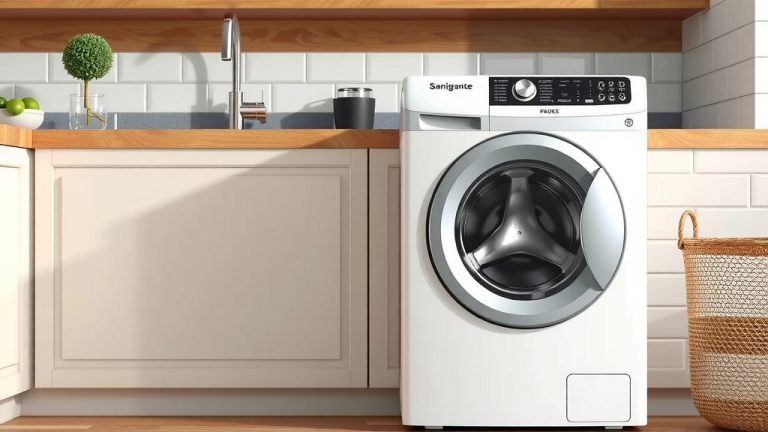
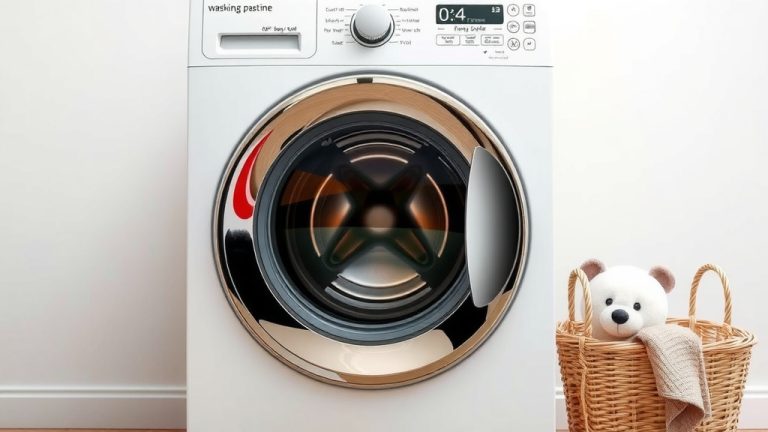
Front-load washers have a drum that rotates horizontally. Your clothes are lifted by the drum’s paddles and then tumble down through the water. This method is much gentler on your garments. It mimics the way you might wash delicate items by hand, swishing them gently in soapy water.
This tumbling action is generally considered more effective at removing stains. The clothes rub against each other, aiding in the cleaning process. Plus, because they don’t rely on a large agitator taking up space, front-loaders often have a larger capacity within a similar external size. Many people find the tumbling action leads to better fabric care over the long run.
Water and Energy Efficiency: What the Numbers Show
When we look at water and energy usage, there’s a clear winner for efficiency. Front-load washers tend to be significantly more economical.
Water Consumption
Front-loaders use much less water. They typically only need enough water to fill the bottom of the drum where the clothes tumble. This can mean using up to 40% less water per load compared to older top-loaders (Consumer Reports).
Traditional top-loaders, especially those with a tall agitator, often fill the entire tub with water to ensure clothes are submerged. While HE top-loaders use less water than older models, they still often use more than front-loaders because they need enough water to facilitate the movement of clothes around the impeller or agitator. Saving water is good for the environment and your utility bill.
Energy Usage and Drying Time
Front-loaders are also typically more energy-efficient. This is partly due to using less water (heating water uses energy!) and partly due to their advanced spin cycles. Front-loaders can spin much faster than top-loaders, reaching speeds of 1,000 to 1,600 revolutions per minute (RPM) or even higher.
This high-speed spin extracts a lot more water from your clothes. The result? Your clothes come out much drier, which means less time and energy needed in the dryer. Some studies suggest that using a front-loader can reduce dryer time by up to 50%, saving you even more money on your electricity or gas bill (Energy Star).
Convenience and Ergonomics: Loading and Unloading
When it comes to simply using the machine, convenience is subjective and depends on your personal preference and physical needs.
Loading and Unloading: Bending vs. Reaching
For many people, the main advantage of a top-load washer is ease of loading. You can simply drop clothes in without bending over. This is a big plus for individuals with back or knee issues. There’s no need to stoop or kneel.
Front-loaders require you to bend down to load and unload. However, many modern front-loaders can be placed on pedestals, which raises the door height. This makes loading and unloading much easier and eliminates the need to bend over. We found that pedestals can significantly improve the user experience for those who find stooping difficult.
Adding Clothes Mid-Cycle
Historically, adding forgotten items mid-cycle was easier with top-loaders. You could simply lift the lid and toss in that stray sock. Many front-loaders have a lock on the door once the cycle begins, preventing you from adding items until the next cycle or a specific pause feature is used.
However, manufacturers have recognized this concern. Some newer front-load models now include a small “add-a-garment” door or a pause function that allows you to safely add items early in the wash cycle. So, while traditional top-loaders had an edge here, front-loaders are catching up.
Capacity and Cleaning Performance: What Fits and How Clean?
When you’re dealing with family-sized laundry loads, capacity matters. Both types offer a range of sizes, but there are some performance differences to consider.
Load Size and Bulk Items
As mentioned, front-loaders often have a larger usable capacity because they don’t have a central agitator taking up space. This makes them great for washing bulky items like comforters, blankets, and large towels. You can typically fit more laundry into a front-loader.
While top-loaders come in large capacities too, the presence of an agitator can sometimes make it tricky to fit very bulky items without them becoming unbalanced or not getting fully submerged. This can affect cleaning performance.
Stain Removal Effectiveness
Research and user reviews often point to front-loaders as being superior for stain removal. The tumbling action, combined with the way water is used, provides a more effective clean. The clothes rub against each other, which helps dislodge dirt and stains. Many experts agree that the combination of thorough soaking and tumbling action in front-loaders is excellent for tackling tough messes.
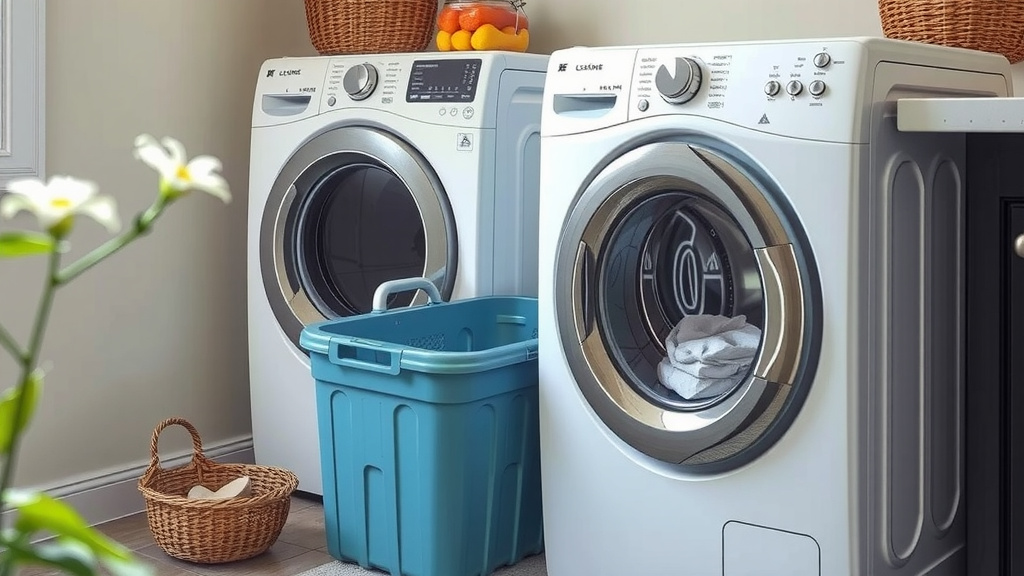
Cost: Upfront Price vs. Long-Term Savings
The initial purchase price and the overall cost of ownership are important factors for any appliance.
Initial Purchase Price
Generally, you’ll find that traditional top-load washers with an agitator are the most affordable upfront. High-efficiency top-loaders can be priced similarly to basic front-load models. More advanced front-load washers with steam functions, Wi-Fi connectivity, and specialized cycles will typically have a higher initial price tag.
Long-Term Operating Costs
When you factor in water and energy savings, front-load washers often prove to be more economical in the long run. The reduced usage of water and electricity can lead to noticeable savings on your utility bills over the lifespan of the appliance. While the upfront cost might be higher, the energy efficiency pays off over time.
Maintenance and Longevity: Keeping Your Washer Running
Like any appliance, proper care will ensure your washing machine lasts as long as possible.
Common Issues and Solutions
Front-loaders can sometimes develop a musty odor if the door seal isn’t cleaned regularly and the door isn’t left ajar between uses. This is because the door seal creates a tight fit to prevent leaks, which can trap moisture. Simply wiping down the seal and leaving the door open allows for air circulation and prevents this issue.
Top-loaders, especially those with agitators, can be prone to wear and tear on clothes. For HE top-loaders, ensuring the load is balanced is important to prevent excessive shaking and potential damage.
Durability and Lifespan
Both types of washers, when well-maintained, can last for many years. Some research suggests that front-loaders, due to their more robust build and gentler washing action, may have a slightly longer average lifespan. However, the quality of the specific model and how you use and care for it will ultimately play the biggest role in its longevity.
Making Your Final Decision: A Quick Checklist
To help you weigh your options, consider these points. Which factors are most important to you and your household?
- Do you need the most gentle care for your clothes?
- Are water and energy efficiency a top priority?
- Is the easiest loading height essential for your physical comfort?
- Do you frequently wash bulky items like bedding?
- Is the lowest upfront cost your main concern?
- How important is maximum capacity for your laundry loads?
Conclusion
Choosing between a front-load and a top-load washer comes down to your priorities. If you want the most efficient clean, gentlest fabric care, and long-term savings on water and energy, a front-loader is likely your best bet. If upfront cost or easier loading height are key, a top-loader might be more suitable, especially modern HE models. We’ve laid out the facts to help you decide what works best for your laundry room and your lifestyle. Now, take a look at specific models and see which one fits your space and budget!
Frequently Asked Questions
Do front-load washers really take longer to wash clothes?
While some front-load cycles can be longer, they often use less water and extract more water during the spin cycle. This means your clothes will be much drier, significantly reducing the time needed in your dryer. This combination often makes the overall laundry process quicker and more energy-efficient.
Can I get a top-load washer that’s also energy efficient?
Yes, absolutely! High-efficiency (HE) top-load washers are designed to use less water and energy than older, traditional models. While they might not always match the efficiency of a front-loader, they offer a great balance of performance and resource conservation.
Is a front-loader harder to maintain than a top-loader?
Front-loaders require a little extra attention to prevent odors. You’ll want to wipe down the door seal and leave the door ajar between uses to allow for air circulation. Top-loaders generally require less specialized maintenance, though keeping them balanced during high-speed spins is important.
Are front-load washing machines more expensive to repair?
Generally, the upfront cost of a front-load washer is higher, and this can sometimes extend to repair costs as well. However, their gentler action on clothes might lead to fewer repairs related to fabric damage. Both types can have repair needs, so consider extended warranties if you’re concerned.
Which type of washer is better for people with back problems?
For ease of loading and unloading without bending, a traditional top-load washer is often preferred. However, many front-load washers can be installed on pedestals, raising the drum height. This makes loading and unloading much more comfortable and can be a great solution if you prefer front-loaders.