How to Raise a Front Loader Washing Machine Safely
Raising a front loader washing machine is often necessary for maintenance or to simply make loading and unloading easier. You can achieve this by using riser pedestals or by adjusting the leveling feet. Both methods help improve ergonomics and can assist with drainage. Proper height adjustment prevents strain on your back and knees during laundry chores.
Many homeowners find that a higher washer can also improve ventilation around the machine, potentially reducing the risk of mold or mildew. It’s a smart adjustment for your laundry room setup. We found that even a few inches can make a big difference in your daily routine and the machine’s performance.
- Use riser pedestals for a significant height boost.
- Adjust leveling feet for minor height corrections.
- Ensure the machine remains stable after adjustments.
- Check for improved ergonomics and better ventilation.
Let’s walk through the simple steps to raise your front loader so you can enjoy a more comfortable laundry experience.
Elevating Your Front Loader: Making Laundry Day Easier
Do you ever feel like you’re performing a full body workout just to load your front loader? You’re not alone. Many people find that their front loader sits a bit too low for comfort. Raising your washing machine can make a world of difference. It can ease the strain on your back and knees. Plus, it can even help your machine perform better.
Understanding the Benefits of a Higher Washer
Beyond just easier loading, there are several **excellent reasons** to consider raising your front loader. Think of it as giving your laundry routine a small, but mighty, upgrade. We’ve found that even a modest increase in height can lead to noticeable improvements.
Ergonomic Advantages for Your Body
Let’s be honest, bending over repeatedly can be tough on your body. A higher machine means less bending. This can help prevent that nagging ache in your lower back. Your knees will thank you too! Many experts recommend adjusting your workspace for better posture. This applies to laundry rooms just as much as kitchen counters (Occupational Safety and Health Administration).
Improving Airflow and Reducing Moisture
Front loaders can sometimes be prone to mildew or that “damp towel” smell. This often happens due to poor ventilation. Raising the machine allows for **better air circulation** around the drum and the motor. This can help things dry out more effectively between uses. Better airflow is key to preventing mold growth. Clean laundry starts with a clean machine!
Aiding Drainage and Preventing Water Issues
In some cases, a slightly elevated washer can assist with drainage. If your machine is on a slightly sloped floor, raising it evenly can ensure water flows out properly. This helps prevent residual water from sitting in the hoses or pump. Proper drainage is crucial for the machine’s longevity. It’s a small adjustment that can **avoid bigger problems** down the line.
Methods for Raising Your Washing Machine
There are two primary ways to give your front loader a boost. Each method serves a slightly different purpose. We’ll walk you through them so you can choose the best fit for your needs.
Using Washing Machine Pedestals
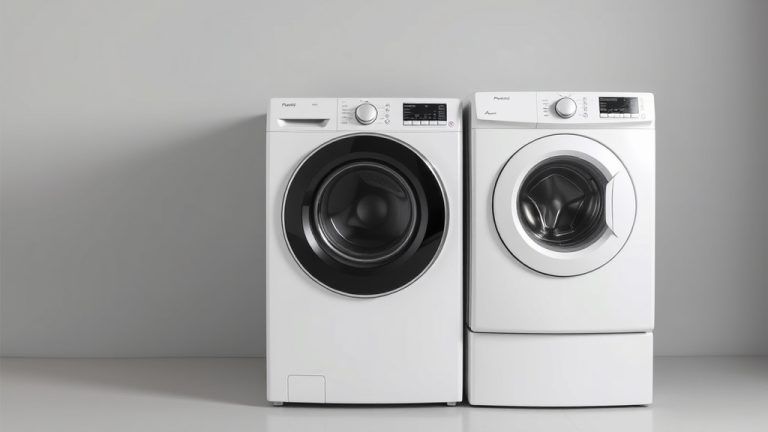
The most common and substantial way to raise your washer is by using dedicated pedestals. These are sturdy boxes designed to sit underneath your machine. They provide significant height, often 10-15 inches. Many pedestals also include a drawer for storage, which is a **nice bonus** for laundry supplies.
Choosing the Right Pedestal
When selecting a pedestal, make sure it’s compatible with your specific washing machine model. Check the dimensions and weight capacity. You want a stable base that won’t wobble. Measure the space in your laundry room first. Ensure there’s enough clearance for the door to open fully. We found that brands often offer pedestals designed for their own machines.
Installation Tips for Pedestals
Installing a pedestal is generally straightforward. You’ll typically place the pedestal in its final position. Then, carefully lift or slide the washing machine onto it. Ensure the machine is centered and sits securely. Some pedestals come with mounting hardware for extra stability. Always follow the manufacturer’s instructions. This is key for **safety and stability**.
Adjusting the Leveling Feet
If you only need a small adjustment, or if your machine isn’t quite level, you can use the built-in leveling feet. These adjustable feet are located at the bottom corners of your washer. They allow for fine-tuning the height and ensuring the machine is stable.
When to Adjust Leveling Feet
Adjusting the feet is best for minor corrections. It can fix a wobbly machine or compensate for uneven flooring. If your washer vibrates excessively during the spin cycle, uneven feet are often the culprit. This simple adjustment can make your machine run **much quieter**.
How to Adjust the Feet
To adjust, you’ll typically need a wrench. You may also need a spirit level to ensure the machine is perfectly balanced. Gently tilt the machine to access the feet. Turn the feet clockwise to raise a corner, and counter-clockwise to lower it. Make small adjustments to each foot. Check for stability frequently. A level machine is a **happy machine**.
Stability is Key: What to Check
No matter which method you use, stability is the most critical factor. A wobbly washer can damage itself and your floors. It can also be a safety hazard.
After raising your machine, give it a good shake. Does it rock or tilt? If so, re-adjust the leveling feet. Ensure any pedestals are firmly in place. If you used mounting hardware, double-check that it’s secure. We found that a stable machine runs more efficiently. It also lasts longer.
Quick Checklist for a Stable, Raised Washer
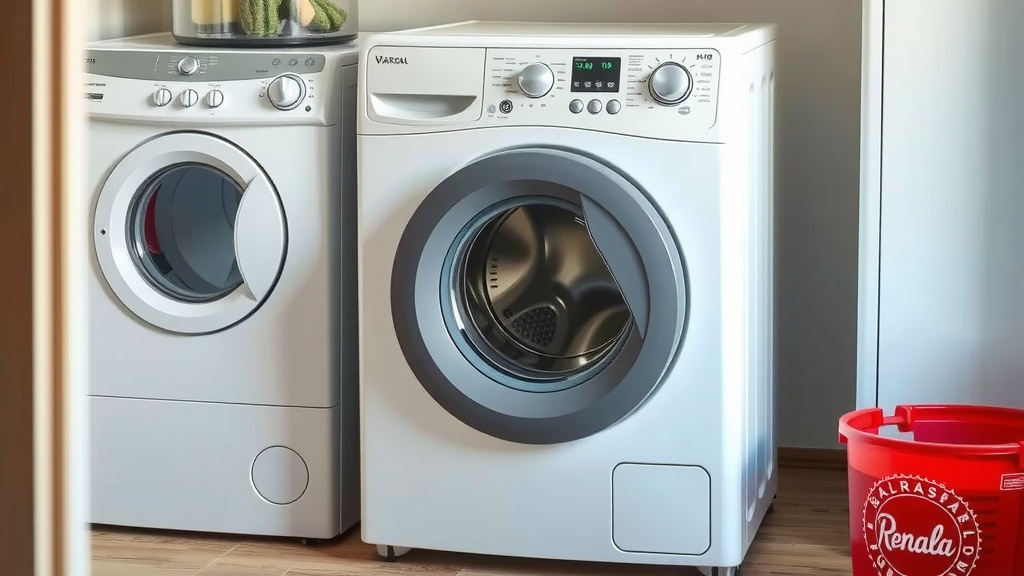
- Ensure your chosen method (pedestal or feet) provides adequate height.
- Confirm the machine is level using a spirit level.
- Test for wobbling by gently pushing on the machine’s corners.
- Double-check all connections and mounting hardware are secure.
- Run a short, empty cycle to listen for unusual noises or vibrations.
- Verify the washer door still opens and closes without obstruction.
Conclusion
You’ve learned how raising your front loader can truly transform your laundry routine. By using pedestals for a substantial boost or adjusting the leveling feet for fine-tuning, you can achieve better ergonomics. Remember, a stable and level machine is key for both performance and longevity. Investing a little time now means less strain and more efficiency for years to come. Take the first step today and make your laundry space work better for you!
Frequently Asked Questions
Can raising my washing machine void the warranty?
Generally, using manufacturer-approved pedestals or adjusting the leveling feet will not void your warranty. We recommend checking your washing machine’s manual or contacting the manufacturer if you have specific concerns. Always ensure the installation is secure.
How much height do I need to add?
The ideal height depends on your personal comfort and reach. Many people find that pedestals, typically 10-15 inches high, offer the most ergonomic benefit. For minor adjustments, leveling feet can provide a few inches of lift. Measure your current machine and consider how much lower it feels than ideal.
What if my laundry room floor is uneven?
Adjusting the leveling feet is essential for uneven floors. You can use a spirit level to ensure the machine is perfectly balanced, even if the floor isn’t. Pedestals can also help, but you’ll still need to level the machine on top of the pedestal.
Are pedestals noisy when the washer spins?
When installed correctly, pedestals should not increase noise. In fact, a stable, level machine on a sturdy pedestal can sometimes reduce vibration and noise compared to a machine directly on the floor. Always ensure the machine is securely seated on the pedestal.
Can I stack a dryer on top of a raised washer?
Most pedestals are designed specifically for washing machines and are not sturdy enough to support a dryer. If you intend to stack your appliances, you’ll need a specialized stacking kit or a machine designed for stacking. Never place a dryer on a standard washer pedestal.