How to Wash Towels in Front Load Washer for Best Results
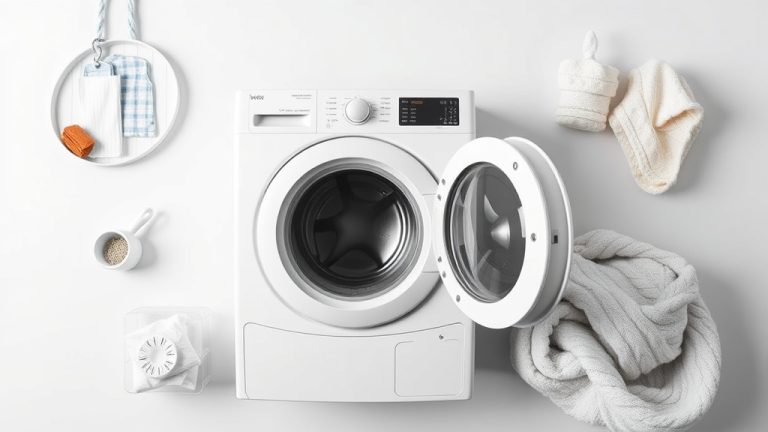
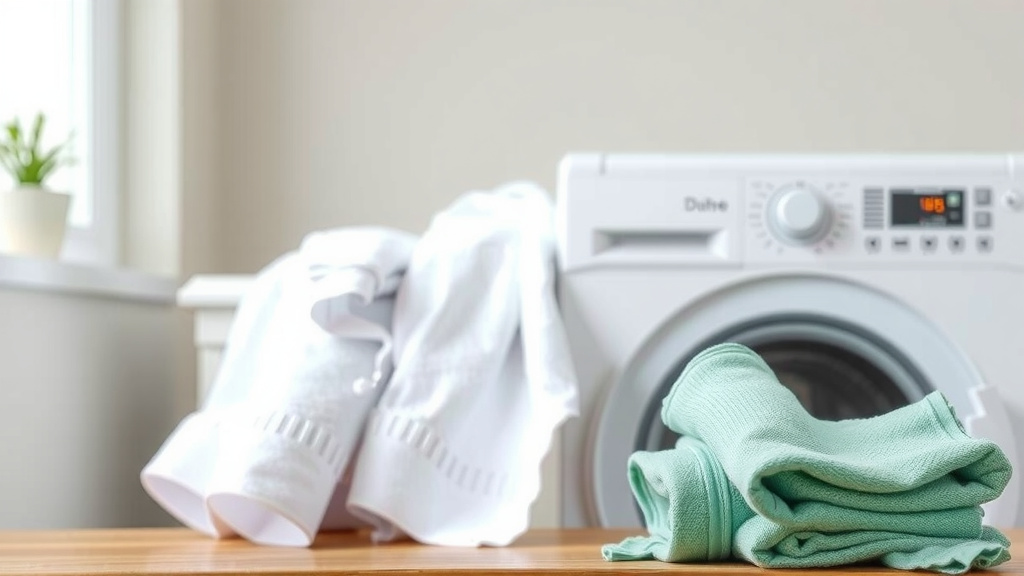
Yes, you can absolutely wash towels in a front-load washer! In fact, it’s a great way to get them super clean and fluffy again. Just make sure you’re using the right settings to avoid damage and ensure a thorough wash for your fluffy bath towels.
Washing towels in your front-loader is simpler than you might think. We found that using a hot water cycle and a good detergent can help kill germs and remove odors effectively. It’s important to avoid overcrowding the machine for best results and prevent pesky towel funk.
- Use a hot water setting.
- Don’t overload the washer.
- Use a good quality detergent.
- Consider adding vinegar for extra freshness.
Below, we’ll walk you through exactly how to wash your towels in your front-load washer so they come out smelling amazing and feeling wonderfully soft.
Washing Your Towels in a Front-Load Washer: A Step-by-Step Guide
You’ve probably wondered if your trusty front-load washer can handle your fluffy towels. The good news is, yes, it can! Front-loaders are actually excellent for deep cleaning your towels. They use less water and provide a gentler wash, which is ideal for keeping your towels soft and absorbent. Let’s dive into how you can get them perfectly clean.
Choosing the Right Wash Cycle for Your Towels
The cycle you select is super important for getting your towels clean without damaging them. You want a cycle that’s tough on germs but gentle on fabric.
The Best Cycle: Hot or Heavy Duty
For towels, especially bath towels that tend to pick up a lot of moisture and potential bacteria, a hot water setting is your best friend. Research from cleaning experts often points to hot water as being most effective at killing germs and removing odors (CDC). Many front-loaders have a specific ‘Sanitize’ cycle, which is fantastic for this purpose. If that’s not available, a ‘Heavy Duty’ or ‘Whitest Whites’ cycle on hot will also work well. These cycles usually offer longer wash times and more agitation, ensuring a thorough clean.
Understanding Water Temperature
While hot water is great for sanitizing, it’s not always ideal for every towel. If you have colored towels that might bleed, or delicate towels, you might need to compromise. A warm water setting is a good middle ground. It still offers decent cleaning power without the risk of fading or damage. Always check the care label on your towels if you’re unsure!
Detergent and Additives: What to Use
The type and amount of detergent you use can make a big difference in how clean and fresh your towels come out. Don’t just eyeball it; precision matters here.
Liquid vs. Powder Detergent
Both liquid and powder detergents can work effectively in front-load washers. Liquid detergents tend to dissolve more easily, which can prevent residue buildup in your machine and on your towels. Powder detergents can be good for tougher stains, but make sure they fully dissolve in the wash. We found that using a high-quality detergent generally yields better results than a bargain brand. Look for detergents specifically designed for HE (High Efficiency) machines, as they produce fewer suds.
How Much Detergent to Use?
This is where many people go wrong. Front-load washers use much less water than traditional top-loaders. Using too much detergent will create excessive suds, which can leave a soapy residue on your towels, making them feel stiff and less absorbent. It can also lead to mold and mildew growth inside your washer drum. Always follow the detergent manufacturer’s instructions and err on the side of using less detergent. For a standard load of towels, a capful or two is usually plenty.
The Magic of White Vinegar
Want an extra boost of freshness and softness? Consider adding white vinegar. It’s a natural fabric softener and deodorizer. Add about half a cup to your washer’s fabric softener dispenser during the rinse cycle. It sounds strange, but trust us, your towels won’t smell like vinegar. Instead, they’ll come out incredibly soft and odor-free. Many cleaning enthusiasts swear by this trick, and we found it’s a great way to combat towel funk.
Loading Your Front-Load Washer Correctly
How you load your towels into the washer is just as important as the settings you choose. Overloading is a common mistake that leads to poor cleaning.
Don’t Stuff It!
Your front-load washer needs space for the water and detergent to circulate freely around the towels. If you cram too many in, they won’t get properly washed or rinsed. A good rule of thumb is to load the washer so the towels are loose and you can still see the bottom of the drum. Think of it like a game of Tetris where you want all the pieces to breathe. We found that leaving about 20% of the drum empty is ideal for optimal cleaning performance.
Consider Load Size
If you have a huge pile of towels, it might be better to split them into two smaller loads rather than trying to fit them all into one. This ensures each towel gets the attention it deserves from the wash cycle. Smaller loads are generally more effective for towels.
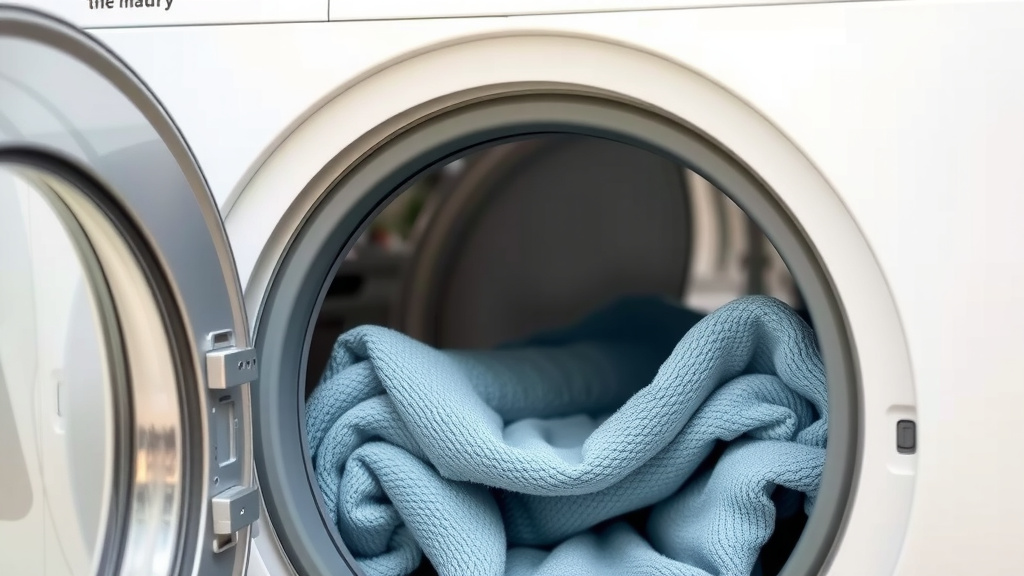
Drying Your Towels for Maximum Fluffiness
Getting your towels clean is only half the battle; drying them properly is key to that cozy, fluffy feeling.
Low Heat is Your Friend
When transferring your wet towels to the dryer, resist the urge to blast them on high heat. High temperatures can damage the cotton fibers over time, making your towels less absorbent and rougher. A low heat or medium heat setting is much better. This allows the towels to dry thoroughly without getting overly hot.
Dryer Sheets and Wool Dryer Balls
Dryer sheets can add a pleasant scent, but they can also leave a residue that reduces absorbency. Wool dryer balls are a fantastic alternative. They help separate the towels, allowing air to circulate better, which speeds up drying time. Plus, they are reusable and eco-friendly! You can even add a few drops of essential oil to the dryer balls for a natural scent boost.
Don’t Over-Dry
Just as important as the heat setting is not over-drying your towels. Removing them while they’re still slightly damp and letting them air dry the rest of the way can help prevent stiffness and maintain their softness. We found that shaking out your towels before and during drying also helps them fluff up.
Quick Checklist for Perfect Towel Washing
Ready to give your towels the spa treatment? Keep this quick list handy:
- Separate towels by color.
- Use the hot water or sanitize cycle.
- Don’t overload the washer.
- Use the correct amount of HE detergent.
- Add white vinegar to the rinse cycle.
- Dry on low or medium heat.
Conclusion
Washing your towels in a front-load washer is definitely achievable and can leave them feeling wonderfully clean and soft. By selecting the right cycle, like hot or sanitize, and being mindful of your detergent amount, you can effectively combat germs and odors. Remember that avoiding overcrowding and using a low heat setting for drying are key steps to maintaining your towels’ fluffiness and absorbency. Give these tips a try, and you’ll soon be enjoying that fresh, spa-like towel experience right at home. Your next towel wash is just a load away!
Frequently Asked Questions
Can I wash dark-colored towels with white towels in a front-load washer?
It’s best to always separate your towels by color, especially when washing in a front-load washer. Dark colors, particularly new ones, can bleed onto lighter fabrics, even on a hot cycle. Stick to washing whites with whites and colors with colors to prevent color transfer and keep your towels looking their best.
How often should I wash my bath towels?
For optimal hygiene, most experts recommend washing your bath towels every three to four uses. If you notice any musty smells or they just don’t feel clean, it’s time for a wash. This frequency helps prevent the buildup of bacteria and mildew, keeping your towels fresh.
What if my towels still feel stiff after washing and drying?
Stiff towels often result from too much detergent or over-drying. Try using less detergent next time and consider adding white vinegar to the rinse cycle for natural softening. Also, ensure you’re not over-drying them in the dryer; removing them while slightly damp can help maintain softness.
Is it okay to use fabric softener in my front-load washer for towels?
While fabric softeners can make towels feel soft initially, they can build up over time and reduce absorbency. Many people find that white vinegar in the rinse cycle is a great natural alternative that softens and deodorizes without negatively impacting absorbency. If you do use fabric softener, use it sparingly.
Why do my towels sometimes come out with a soapy residue?
A soapy residue usually means you’re using too much detergent for your front-load washer’s water level. Since front-loaders use less water, a little detergent goes a long way. Measure your HE detergent carefully according to the package directions, and you might even find you can use less than recommended for a standard load.