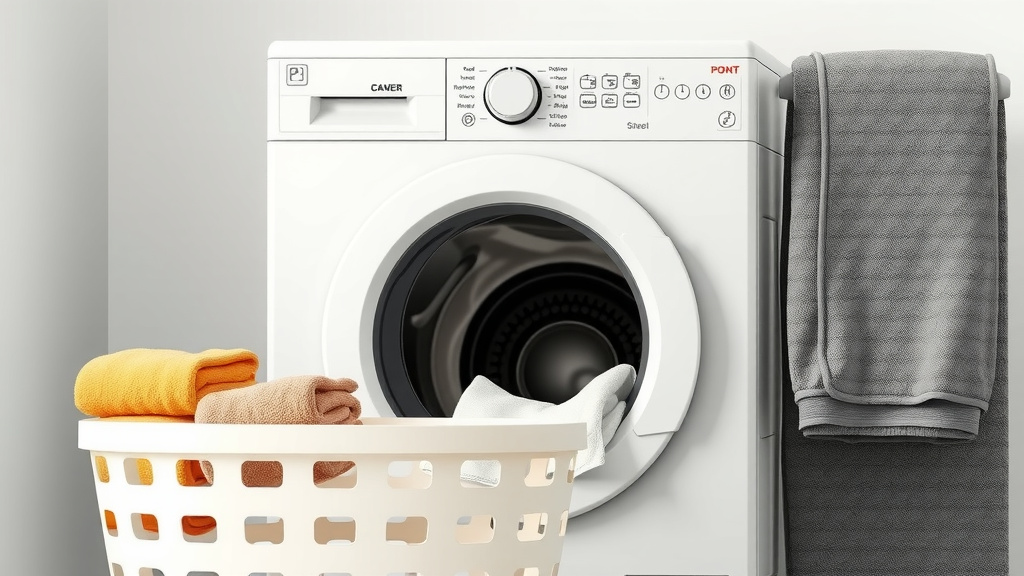
Front Loader Towel Washing: Your Ultimate Guide
Yes, you absolutely can wash towels in a front-loader washing machine. In fact, many experts say front-loaders are excellent for cleaning towels. They use less water and tend to be gentler on fabrics than older top-load models, which helps keep your towels soft and absorbent. You just need to follow a few simple steps to ensure they come out perfectly clean and fresh.
Washing towels in a front-loader involves a few key considerations. You’ll want to avoid overloading the machine, which can prevent proper cleaning and rinsing. Also, using the right detergent and choosing the appropriate wash cycle are essential for best results. Many people find that front-loaders actually lead to cleaner, brighter towels with less wear and tear.
- Use the right detergent amount.
- Don’t overload the machine.
- Choose a warm or hot water setting.
- Consider a medium spin speed.
- Always clean your machine afterward.
Let’s walk through exactly how to get your towels sparkling clean in your front-load washer, step by step.
Mastering Towel Washing in Your Front-Load Washer
Washing towels in a front-loader is a smart move for keeping them fluffy and absorbent. You might wonder if there’s a special trick. Research shows that front-loaders use less water and tumble more gently than traditional top-loaders. This means your towels get a thorough clean without getting roughed up. Let’s dive into how to get the best results.
Preparing Your Towels for the Wash
Before you toss your towels in, a little prep goes a long way. It helps ensure they get properly clean and prevents potential issues.
Sorting is Key for Optimal Cleaning
You wouldn’t wash your delicate sweater with work jeans, right? The same applies to towels. Group your towels by color. Whites and light colors should go together. Darker colors should have their own load. This simple step prevents dye transfer, keeping your whites bright and your colors true (CDC).
Check Those Pockets and Remove Loose Items
Ever found a rogue tissue disintegrated all over your load? It’s not fun. Before washing, quickly check all towel pockets for tissues, coins, or anything else that shouldn’t be in the wash. Loose items can damage your machine or your towels.
Pre-Treating Tough Stains
Got a stubborn coffee stain or a makeup smudge? Address it before the wash. Apply a stain remover directly to the spot. Let it sit for a few minutes, following the product’s instructions. This gives the stain remover a chance to break down the stain, making it easier to wash out. Many experts recommend acting fast on stains.
Setting Up Your Front-Loader for Towel Success
Now it’s time to load the machine. How you load it and what settings you choose really matter.
The Art of Not Overloading
This is perhaps the most important step for front-loaders. Your machine needs room to work its magic. Towels are bulky and absorbent. If you pack the drum too tightly, the water and detergent won’t circulate properly. This leads to poor cleaning and rinsing. Many studies show that a lightly loaded machine performs far better (Clever Dripping).
How can you tell if you’ve overloaded? If you can’t easily fit your hand on top of the load, it’s likely too full. Aim for about 75% capacity. Your towels should be able to tumble freely.
Choosing the Right Detergent Amount
Front-loaders use less water, so they need less detergent. Using too much can lead to excessive suds. This can leave residue on your towels, making them feel stiff and less absorbent. It can also cause buildup in your machine, leading to smells and potential damage (Consumer Reports).
Refer to your detergent’s packaging for the correct amount. For most HE (High-Efficiency) detergents, you’ll only need a small amount. Many front-loaders have a specific detergent drawer with markings. Use the recommended line for a medium load if you’re unsure.
Selecting the Ideal Water Temperature
For towels, warm or hot water is usually best. Hot water is fantastic for sanitizing and removing deep-down dirt and odors. It’s especially good for white towels. However, check your towel’s care label first. Some delicate or brightly colored towels might recommend cooler water to prevent fading or damage. For most everyday towels, warm or hot is your go-to.
Spin Speed: Finding the Balance
Your front-loader likely offers different spin speeds. A medium spin speed is often a good choice for towels. It effectively removes excess water, which helps towels dry faster. It’s also gentle enough to avoid excessive wear and tear on the fabric. Very high spin speeds can be tough on fibers over time, so use them sparingly for towels.
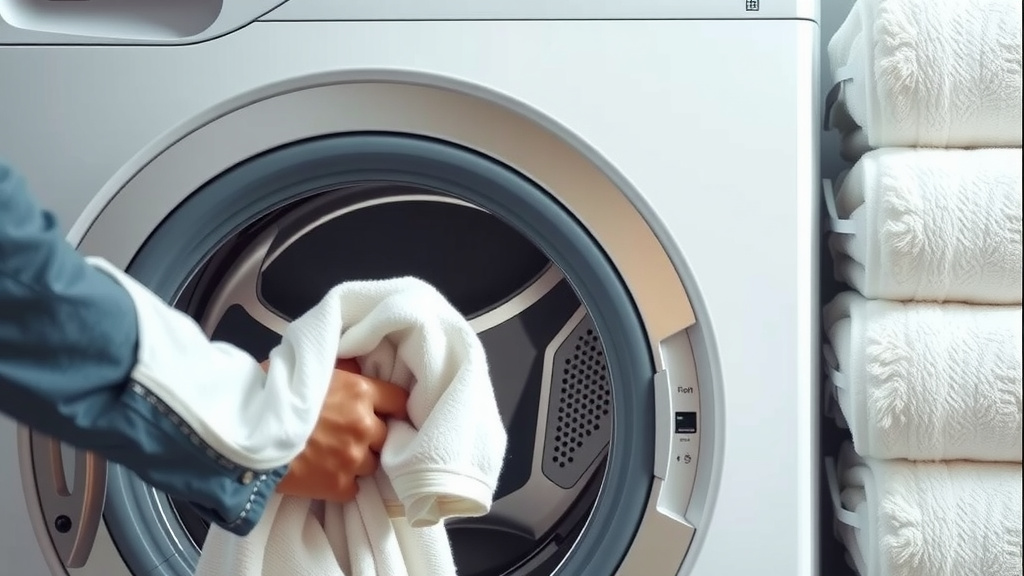
The Wash Cycle and Beyond
Once everything is set, you’re almost done. A couple of final touches ensure everything comes out fresh.
The Best Wash Cycle for Towels
Look for a “Normal,” “Heavy Duty,” or “Towels” cycle on your machine. These cycles are typically longer. They allow for more agitation and better rinsing, which is ideal for cleaning bulky items like towels. If your machine has a “Sanitize” option, that can be a great addition for extra germ-fighting power, especially for bath towels.
The Importance of Rinsing
A good rinse cycle is crucial. It removes all the detergent and loosened dirt. Many front-loaders have an extra rinse option. If your towels feel stiff or have a soapy residue after washing, try using the extra rinse cycle next time. This helps ensure a thorough clean and maximizes absorbency.
Drying Your Towels for Maximum Fluffiness
After the wash, don’t let your towels sit in the machine. Transfer them to the dryer promptly. Tumble dry on a medium heat setting. Avoid high heat, as it can damage the fibers and make towels less soft over time. Consider adding dryer balls; they help fluff up towels and reduce drying time. And remember, don’t over-dry them!
A Quick Checklist for Your Next Towel Wash
Here’s a handy rundown to keep by your machine:
- Sort towels by color.
- Check pockets for loose items.
- Use the correct amount of HE detergent.
- Select a warm or hot water setting.
- Choose a normal or heavy-duty cycle.
- Don’t overload the drum.
Keeping Your Front-Loader Clean
After washing towels, it’s a great time to clean your washing machine. Towels can leave lint and residue. Run an empty cycle with hot water and a little vinegar or a washing machine cleaner. This helps prevent odors and keeps your machine running smoothly for all your laundry needs (Mayo Clinic).
Conclusion
You’ve learned that washing towels in your front-loader is simple and effective. By sorting colors, avoiding overloading, and choosing the right settings, your towels will come out cleaner and fresher. Remember to use just enough detergent for those low-water cycles. This prevents stiffness and keeps them wonderfully absorbent. For your next laundry day, give these steps a try. Your towels will thank you!
Frequently Asked Questions
How often should I wash my towels?
Most experts recommend washing bath towels after every 3-5 uses. Frequent washing helps prevent the buildup of bacteria and odors. For hand towels or kitchen towels used daily, you’ll want to wash them even more often, perhaps every 1-2 days.
Can I wash towels with other laundry in my front-loader?
It’s best to avoid washing towels with other types of laundry. Towels are linty and bulky. Washing them with delicate items or dark colors can damage those items or cause lint transfer. Always wash towels separately to ensure the best cleaning for both.
Why do my towels feel stiff after washing in a front-loader?
Stiff towels are often a sign of too much detergent or inadequate rinsing. Since front-loaders use less water, excess soap can be hard to wash out. Try using less detergent and consider using the extra rinse cycle on your machine next time. Fabric softener isn’t generally recommended for towels as it can reduce absorbency.
Is it okay to use hot water for all my towels?
Hot water is excellent for sanitizing and removing deep dirt, especially for white and light-colored towels. However, always check the care label on your towels. Some brightly colored or delicate towels might require cooler water to prevent fading or damage to the fibers. When in doubt, a warm water setting is usually a safe bet.
How do I get rid of that musty smell from my towels?
A musty smell often indicates that towels aren’t drying completely or there’s detergent buildup. Ensure you’re not overloading the washer, allowing for proper rinsing. After washing, transfer towels to the dryer promptly and don’t over-dry them. Adding about a cup of white vinegar to the rinse cycle (not the detergent compartment) can also help neutralize odors and brighten fabrics.