Clean Your Front Loader Washing Machine Easily
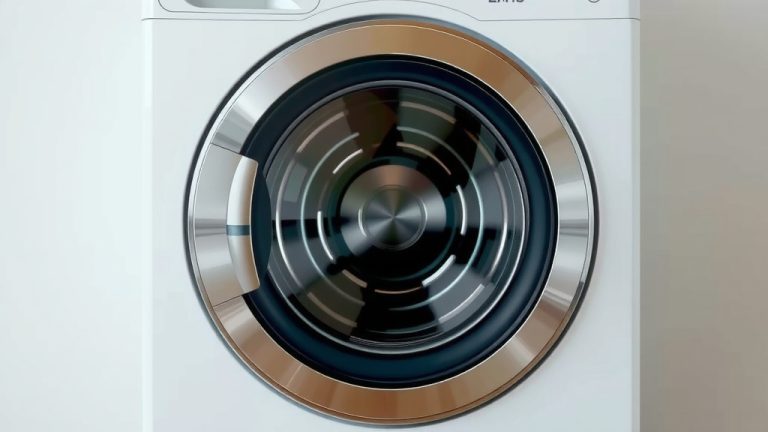
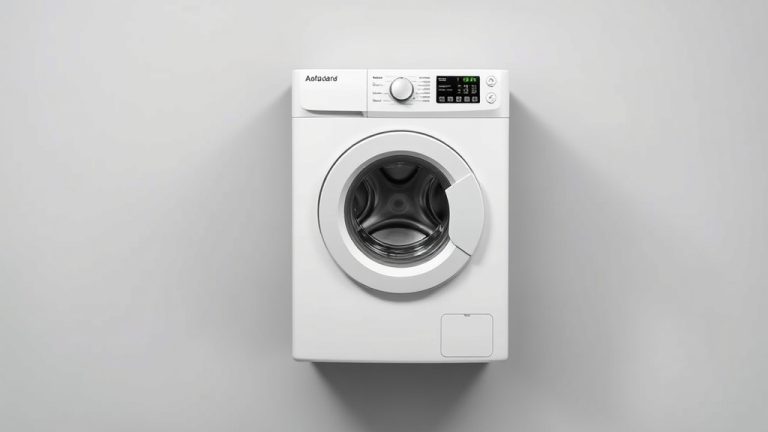
The easiest way to wash a washing machine front loader is by running a hot water cycle with vinegar or a dedicated washing machine cleaner. This helps dissolve grime and kill mold and mildew. Keeping your front loader clean ensures your clothes come out smelling fresh and your machine runs efficiently. It’s a surprisingly simple process you can do every few months.
Over time, soap scum, lint, and mineral deposits can build up. This gunk can lead to unpleasant odors and even affect your machine’s performance. Many owners don’t realize their washing machine needs regular cleaning just like their clothes. We found that a clean machine makes a big difference in laundry results.
- Run a hot water cycle with vinegar or cleaner.
- Clean the rubber door seal regularly.
- Wipe down the exterior and dispenser drawers.
- Leave the door ajar between washes.
Ready to tackle that sometimes-smelly machine? Let’s walk through exactly how to get your front loader sparkling clean, step by step.
“`htmlKeeping Your Front Loader Fresh and Clean
Your front-loading washing machine works hard for you. It handles everything from gym clothes to delicate sweaters. But over time, even the best machines can develop a funk. Soap scum, mold, and mildew can build up. This can leave your laundry smelling less than fresh. We found that a simple cleaning routine makes a huge difference in performance and odor. Let’s get your machine smelling like roses, or at least, just clean!
How to Deep Clean Your Front Loader
You can easily clean your washing machine’s interior. The most effective way is to use its own cleaning cycle. If yours doesn’t have one, a hot water cycle will do the trick. This high heat helps to break down residue. We found this to be a very satisfying part of the process.
Step 1: The Hot Water Cycle with a Cleaner
First, you’ll want to grab your cleaning agent. White vinegar is a fantastic, natural option. It’s great at breaking down mineral deposits and soap scum. For a typical load, about 2 cups of white vinegar should be enough. You’ll simply pour this directly into the detergent dispenser. Alternatively, you can use a commercial washing machine cleaner. Follow the product’s instructions carefully. Many experts recommend using these cleaners monthly (Cleveland Clinic).
Once your cleaner is in the dispenser, close the door. Select the hottest water setting available on your machine. Also, choose the longest wash cycle. This ensures maximum cleaning time. Start the cycle. Let the machine run through its entire program. This hot water and cleaner combo will work hard to banish grime.
Step 2: Cleaning the Door Seal (Gasket)
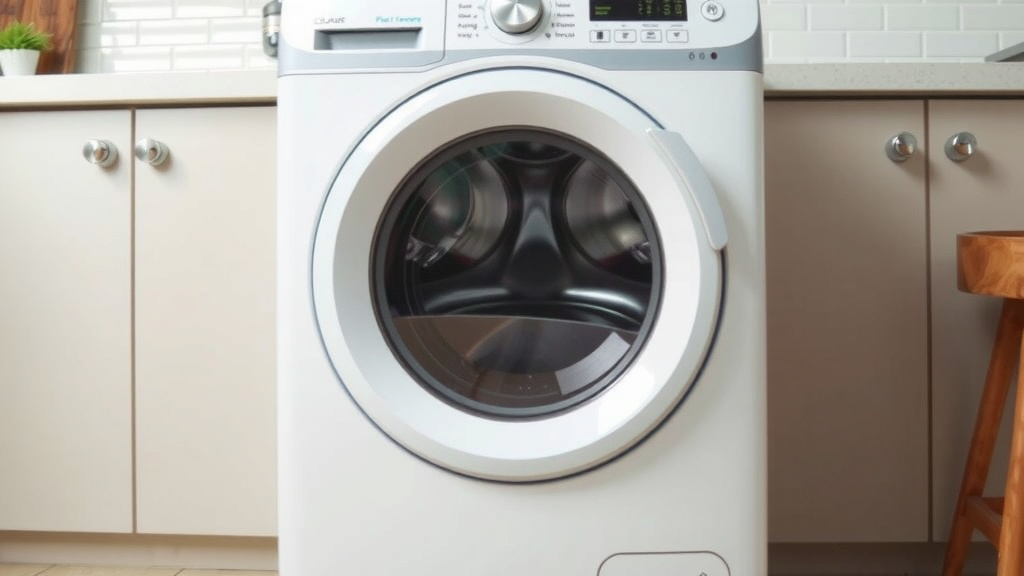
The rubber seal around your front loader’s door is a prime spot for mold and mildew. This is because it traps moisture. You’ll need to check this area every time you clean the machine. Sometimes, you might even need to clean it more often, especially if you notice any grimy buildup or odors.
To clean it, grab a damp cloth. You can also use an old toothbrush for those hard-to-reach spots. For tougher mold or mildew, mix a solution of equal parts water and vinegar. You can also use a mild detergent. Gently wipe down the entire seal. Make sure to pull back the folds of the rubber. You want to get into all the nooks and crannies. Rinse your cloth often. After cleaning, dry the seal thoroughly with a clean, dry towel. This step is critical for preventing future mold growth.
Step 3: Cleaning the Dispenser Drawers
Those little drawers where you put detergent and fabric softener can get pretty grimy. They often harbor residue and even mold. Removing them is usually quite simple.
Most dispenser drawers can be removed with a gentle pull. Some might have a release tab you need to press. Once removed, soak them in warm, soapy water for about 15 minutes. Use an old toothbrush or a small brush to scrub away any buildup. Rinse them well and dry them completely before putting them back. If the drawer compartments themselves are dirty, wipe them down with a damp cloth. You might need a bit of vinegar solution for stubborn spots.
Step 4: Wiping Down the Exterior
Don’t forget the outside of your machine! It collects dust and spills just like any other appliance. Use a soft, damp cloth to wipe down the exterior. For tough spots, a little mild soap or an all-purpose cleaner will work. Be sure to rinse the cloth and wipe again to remove any cleaner residue. This keeps your machine looking as good as it performs. A clean exterior just feels better, doesn’t it?
Routine Maintenance for Lasting Freshness
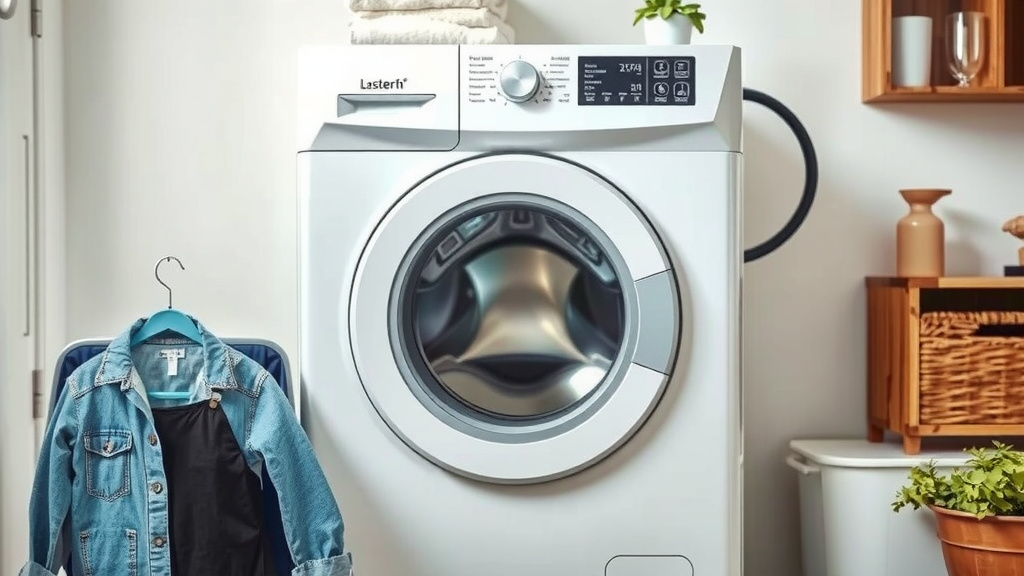
Cleaning your front loader every few months is great. But a few simple habits can keep it fresher between deep cleans. These small steps require minimal effort. They can significantly reduce the chance of odors developing.
Keep the Door Ajar
After each wash cycle, leave the washing machine door slightly open. This allows air to circulate inside the drum. It helps to dry out any residual moisture. Think of it like airing out a damp towel. This simple habit is one of the most effective ways to prevent mold and mildew. We found that just leaving the door ajar makes a noticeable difference in how fresh the machine smells.
Wipe Down After Each Use (Optional but Recommended)
If you notice a lot of moisture or suds left on the door seal after a wash, a quick wipe-down can help. Just use a dry cloth to quickly dry the seal and the inside of the door. It takes less than a minute. It’s a great way to prevent that damp environment that mold loves. This is especially helpful in humid climates.
Run an Occasional Rinse Cycle
Once a month, consider running a quick rinse cycle. This can help flush out any lingering detergent or fabric softener residue. Just use a little bit of vinegar or a washing machine cleaner in the dispenser. Select a short wash or rinse cycle. This is a good follow-up to your main deep clean.
Check the Filter (If Accessible)
Some front loaders have a small filter, often at the bottom front of the machine. This filter can trap lint, coins, and other small items. If your machine seems to be draining slowly or if you notice odors, check this filter. Consult your owner’s manual for its location and how to clean it. Many manufacturers suggest checking this every few months.
Here’s a quick checklist to help you remember the key steps:
- Run a hot water cycle with vinegar or cleaner monthly.
- Wipe down the rubber door seal after each wash if needed.
- Clean the dispenser drawers during your monthly wash cycle.
- Dry the door seal and inside of the drum after washing.
- Leave the door ajar between laundry days.
- Check and clean the drain pump filter periodically.
By following these simple steps, you can ensure your front-loading washing machine stays clean and odor-free. This means your clothes will come out smelling fantastic, load after load. It’s a small effort that brings big rewards for your laundry routine. We found that these cleaning habits are key to a happy machine!
“`Conclusion
You’ve learned how simple it is to keep your front loader clean and smelling fresh. By running a hot water cycle with vinegar or a cleaner, you tackle grime head-on. Don’t forget those easily missed spots like the door seal and dispenser drawers. These steps prevent odors and ensure your machine runs efficiently. Making these cleaning habits part of your routine guarantees your clothes will always come out smelling amazing. Start your first deep clean this weekend!
Frequently Asked Questions
How often should I clean my front load washing machine?
We recommend a deep clean every 1-3 months. If you notice odors or buildup sooner, clean it more frequently. Consistent cleaning prevents mold and mildew from taking hold.
Can I use bleach to clean my washing machine?
While bleach can clean, it’s not always the best choice for washing machines. Vinegar or a dedicated cleaner are generally safer and more effective at breaking down soap scum and mineral deposits without damaging parts.
My washing machine still smells after cleaning, what should I do?
Ensure you thoroughly cleaned the rubber door seal and dispenser drawers. Also, leave the door ajar between washes to allow for air circulation. If the smell persists, check your machine’s drain pump filter for blockages.
What’s the best way to remove mold from the door seal?
A solution of equal parts water and white vinegar works well. Use a damp cloth or an old toothbrush to gently scrub away mold. Always dry the seal completely afterward to prevent regrowth.
Can I use essential oils to make my washing machine smell nice?
While you can add a few drops of essential oil to a cloth and wipe the drum after cleaning, avoid adding them directly to the wash cycle or dispensers. They can sometimes clog parts or react poorly with detergent residue.