How Your Top Load Washer Actually Cleans Clothes
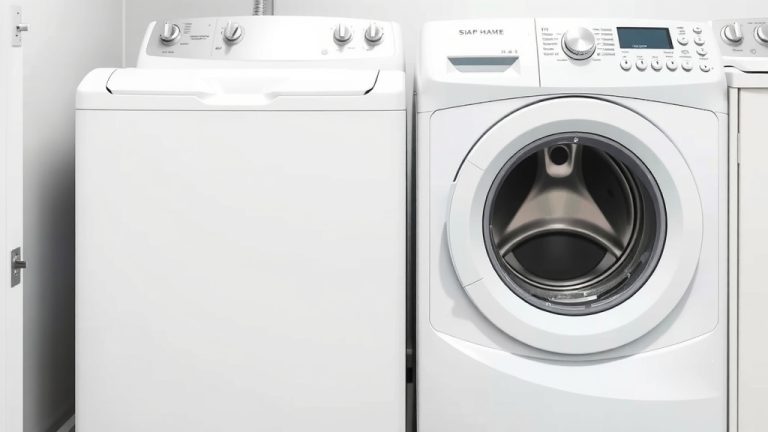
A top load washing machine works by using an agitator or impeller in the center of the drum. This component churns your clothes through water and detergent. It effectively loosens dirt and grime for a cleaner wash. This design makes it very accessible for most households.
Many people appreciate the ease of use and faster cycles that top loaders offer. Unlike front loaders, you can typically add forgotten clothes mid-cycle. This makes laundry day a little less stressful for busy individuals. Top load washers are a popular choice for good reason.
- Top loaders use a central agitator or impeller.
- This part moves clothes through water and soap.
- It’s a simple and effective way to clean laundry.
- You can often add clothes mid-wash.
- They are generally easy to load and unload.
Ready to understand the magic behind those clean clothes? Let’s walk through exactly how your top load washing machine does its thing, step by step.
How Your Top Load Washer Gets Clothes Clean
So, you’ve got a top load washing machine, and you’re curious about how it turns your dirty socks into something fresh. It’s actually quite a clever system!
Basically, your top loader uses a central **agitator or impeller** to move your clothes around. This part spins and tumbles, churning your garments through water and detergent. It’s this action that helps to lift dirt and stains away from the fabric.
The Main Components at Play
Let’s break down the key players in your top load washer’s cleaning process.
The Drum: Your Laundry’s Bathtub
The large, cylindrical part where you toss your clothes is called the drum. It’s usually made of stainless steel, which is durable and won’t rust. The drum has small holes that allow water to drain out during the spin cycle. Think of it as the main stage for your laundry’s performance.
The Agitator vs. The Impeller: Different Strokes for Different Folks
This is where top loaders can differ. You’ll either have an agitator or an impeller in the center of the drum.
The Agitator: The Classic Twist
An agitator is that tall, finned pole you often see right in the middle of the drum. It has a strong, twisting motion. As it rotates back and forth, it forces your clothes to rub against each other and the agitator itself. Research suggests this vigorous action is very effective at removing tough dirt and grime (Good Housekeeping Institute).
Think of it like vigorously scrubbing a stubborn stain with a brush. It’s powerful and gets the job done. However, some folks worry that this intense movement can be a bit rough on delicate fabrics.
The Impeller: The Gentle Swirl
An impeller is a low-profile cone or disc, also located in the center. Instead of a tall pole, it has fins or blades that spin. This creates a tumbling and swirling action that moves the clothes. It doesn’t have as much physical contact with the clothes as an agitator does.
Many users find impeller models to be **gentler on fabrics**. They use less water than older agitator models, which can be a nice perk for your utility bills. They work by creating currents that move the clothes through the water and detergent.
The Lid: More Than Just a Cover
That lid on top does more than just keep water from splashing out. Most modern top loaders have a **lid lock**. This is a safety feature that engages during the spin cycle. It prevents the lid from being opened while the machine is spinning at high speeds. This is important for preventing accidents and ensuring the machine operates correctly.
The Washing Cycle: A Step-by-Step Journey
Now, let’s walk through what actually happens when you press “start.” Your washer doesn’t just magically clean things; it follows a specific sequence.
Filling Up: Getting Ready to Rinse and Repeat
Once you select your cycle and settings, the machine begins to fill with water. You’ll hear the water flowing in. The amount of water depends on the load size and the type of machine you have. Some advanced models sense the load size automatically.
Agitation/Tumbling: The Main Event
This is where the magic happens! Your agitator or impeller gets to work. It churns your clothes through the soapy water. The goal is to loosen dirt, oils, and stains from the fabric fibers. You’ll see your clothes moving around, sometimes vigorously, sometimes more gently, depending on the cycle you chose.
The detergent is mixed with the water during this phase. It works to break down grease and grime. The mechanical action of the agitator or impeller helps push the detergent into the fabric and lift out the soil.
Draining and Rinsing: Washing Away the Dirt
After the wash cycle is complete, the machine drains out the dirty, soapy water. Then, it refills with clean water for the rinse cycle. This is crucial for removing any remaining detergent and loosened dirt from your clothes. You might have one or more rinse cycles, depending on your selected program.
Spinning: Getting Ready for the Dryer
Finally, the machine spins at a very high speed. This creates a strong centrifugal force. This force pushes the water out of your clothes and through the holes in the drum. Your clothes come out much drier, which means less time in the dryer or on the drying rack.
The speed of the spin cycle can often be adjusted. Faster spin speeds remove more water but can also lead to more wrinkles. Slower speeds are gentler on clothes.
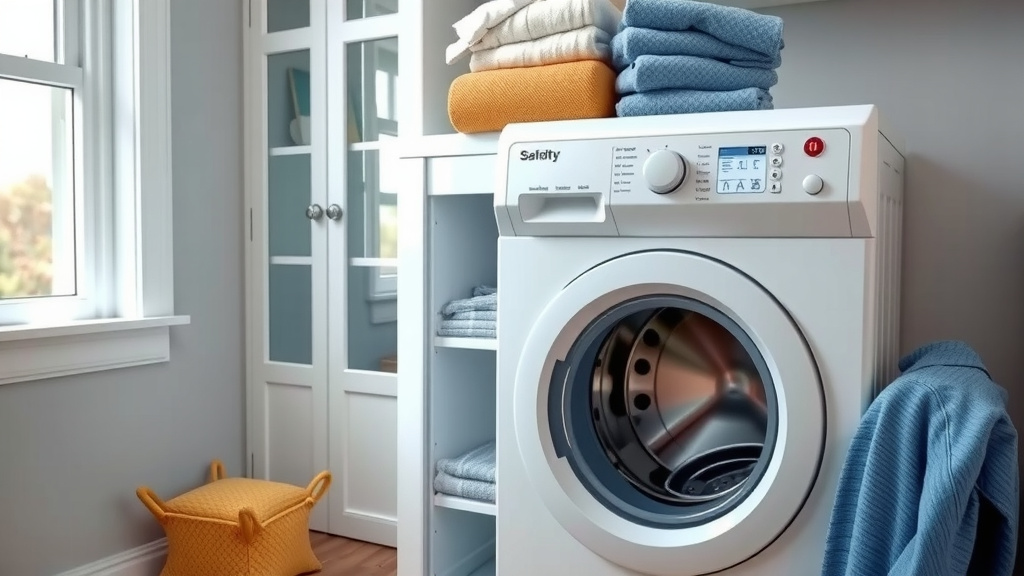
Understanding Your Top Loader’s Options
Top load washing machines offer a variety of cycles and settings to handle different types of laundry needs. Knowing what they do can help you get the best results.
Common Cycles and Their Uses
You’ll typically find cycles like:
- Normal/Regular: Great for everyday cottons, linens, and mixed loads.
- Delicates: Uses gentle agitation and slower spin speeds for items like lingerie, silk, and sheer fabrics.
- Heavy Duty: For heavily soiled items like work clothes, jeans, or towels. It uses longer wash times and more vigorous agitation.
- Permanent Press: Designed for synthetic fabrics. It balances agitation with a slower spin to reduce wrinkling.
- Quick Wash: For lightly soiled items you need cleaned in a hurry. It uses less water and a shorter wash time.
Water Temperature Choices
Water temperature plays a big role in cleaning. Your machine likely offers:
- Hot Water: Best for sanitizing and removing tough stains like grease and grass. It’s often recommended for whites and heavy-duty items. However, hot water can cause colors to fade or fabrics to shrink (Consumer Reports).
- Warm Water: A good all-around choice for moderately soiled items and preventing shrinkage. It’s effective for most colors and synthetics.
- Cold Water: The gentlest option. It’s best for dark colors, delicate fabrics, and lightly soiled items. Cold water helps prevent fading and shrinking. Many modern detergents are formulated to work well in cold water.
Quick Tips for Top Load Washer Success
To get the most out of your top load washer, keep these simple tips in mind:
- Don’t overload the drum; clothes need room to move.
- Use the right amount of detergent; too much can leave residue.
- Sort your laundry by color and fabric type.
- Check pockets before washing to avoid damage.
- Select the appropriate cycle and water temperature for your load.
Conclusion
You’ve now learned how your top load washing machine works its magic, from the drum’s role to the agitator or impeller’s action. Understanding these components and cycles helps you get the cleanest clothes possible. You know how to select the right settings for different fabrics and soil levels. Now, take a moment to look at your machine and the laundry basket. Apply what you’ve learned to your next load. You’re ready to make laundry day a little easier and your clothes a lot cleaner!
Frequently Asked Questions
Can I use any detergent in my top load washer?
Yes, you can use most laundry detergents. However, high-efficiency (HE) detergents are recommended, especially for impeller models. HE detergents produce fewer suds, which is better for the machine and helps prevent residue on your clothes.
Why is my top load washer making a loud noise during the spin cycle?
Loud noises during the spin cycle often mean the load is unbalanced. Try redistributing your clothes evenly in the drum. If the noise persists, there might be an issue with the machine’s suspension or drum bearings.
How do I prevent clothes from getting tangled in a top load washer?
To prevent tangling, avoid overloading the machine. Mix large and small items in your load. For very delicate items, consider using a mesh laundry bag.
What’s the difference between an agitator and an impeller washer in terms of cleaning power?
Agitator models tend to offer more vigorous cleaning action, which can be great for heavily soiled items. Impeller models provide a gentler clean and are often more energy-efficient, using less water and sometimes less detergent.
Can I stop my top load washer mid-cycle to add more clothes?
Most modern top load washers allow you to pause and add items, especially during the initial fill and wash phases. However, it’s best to check your machine’s manual, as some older models or specific cycles might not permit this once the high-speed spin begins.